Tag: leadership

  • What is The Geneva Learning Foundation’s Impact Accelerator?

    What is The Geneva Learning Foundation’s Impact Accelerator?

    Imagine a social worker in Ukraine supporting children affected by the humanitarian crisis. Thousands of kilometers away, a radiation specialist in Japan is trying to find effective ways to communicate with local communities. In Nigeria, a health worker is tackling how to increase immunization coverage in their remote village. These professionals face very different challenges in very different places. Yet when they joined their first “Impact Accelerator”, something remarkable happened. They all found a way forward. They all made real progress. They all discovered they are not alone.

    The Impact Accelerator is a simple, practical method developed by The Geneva Learning Foundation that helps professionals turn intent into action, results, and outcomes. It has worked equally well in every country where it has been tried. It has helped people – whatever their knowledge domain or context – strengthen action and accelerate progress to improve health outcomes. Each time, in each place, whatever the challenge, it has produced the same powerful results.

    The social worker joins other professionals facing similar challenges. The radiation specialist connects with safety experts dealing with comparable concerns. The health worker collaborates with others working to improve immunization. Each group shares a common purpose.

    What makes the Impact Accelerator different?

    Most training programs teach you something and then send you away. You return to your workplace full of ideas but face the same obstacles. You have new knowledge but struggle to apply it. (Some people call this “knowledge transfer” but it is not only about knowledge. Others call this the “applicability problem”.) You feel alone with your challenges.

    The Impact Accelerator works differently. It stays with you as you implement change. It connects you with others facing similar challenges. It helps you take small, concrete steps each week toward your bigger goal.

    Each Impact Accelerator brings together professionals working on the same type of challenge. Social workers who support children join with others who do the same – but the group may also include teachers and psychologists they do not usually work with. Safety specialists connect with safety specialists, but also people in other job roles. It is their shared purpose that makes this diversity productive:  every discussion, every shared experience, every piece of advice directly applies to their work.

    Think of it like learning to ride a bicycle. Traditional training is like someone explaining how bicycles work. The Impact Accelerator is like having someone run alongside you, keeping you steady as you pedal, cheering when you succeed, and helping you get back on when you fall. Everyone learns to ride, together. And everyone is going somewhere.

    How does the Impact Accelerator work?

    The Impact Accelerator follows a simple weekly rhythm that fits into daily work. It is learning-based work and work-based learning.

    Monday: Set your goal

    Every Monday, you decide on one specific action you will complete by Friday. Not a vague hope or a grand plan. One concrete thing you can actually do.

    For example:

    • “I will create a safe space activity for five children showing signs of trauma.”
    • “I will develop a visual guide for the new radiation monitoring procedures.”
    • “I will meet with three community leaders to discuss vaccine concerns.”

    You share this goal with others in the Accelerator. This creates accountability. You know that on Friday, your peers will ask how it turned out.

    Wednesday: Check in with peers

    Midweek, you connect with others in your group who face the same type of challenges. You share what is working, what is difficult, and what you are learning.

    This is where magic happens. Someone else tried something that failed. Now you know to try differently. Another person found a creative solution. Now you can adapt it for your situation. You realize you are part of something bigger than yourself.

    Friday: Report and reflect

    On Friday, you report on your progress. Did you achieve your goal? What happened when you tried? What did you learn?

    This is not about judging success or failure. Sometimes the most valuable learning comes from things that did not work as expected. The important thing is that you took action, you reflected on what happened, and you are ready to try again next week.

    Monday again: Build on what you learned

    The next Monday, you set a new goal. But now you are not starting from zero. You have the experience from last week. You have ideas from your peers. You have momentum.

    Week by week, action by action, you make progress toward your larger goal.

    The power of structured support in the Impact Accelerator

    The Impact Accelerator provides several types of support to help you succeed.

    Peer learning networks

    You join a community of professionals who understand your challenges because they face similar ones. 

    Each Impact Accelerator brings together people working on the same type of challenge. This shared purpose means that every suggestion, every idea, every lesson learned is likely to be relevant to your work. The learning comes not from distant experts but from people doing the same work you do. Their solutions are practical and tested in real conditions like yours.

    Guided structure

    While you choose your own goals and actions, the Accelerator provides a framework that keeps you moving forward. The weekly rhythm creates momentum. The reporting requirements ensure reflection. The peer connections prevent isolation.

    This structure is like the banks of a river. The water (your energy and creativity) flows freely, but the banks keep it moving in a productive direction.

    Expert guidance when needed

    Sometimes you need specific technical input or help with a particular challenge. The Accelerator provides “guides on the side” – experts who offer targeted support without taking over your process. They help you think through problems and connect you with resources, but you remain in charge of your own change effort.

    What participants achieve

    Across different countries and different challenges, Impact Accelerator participants report similar outcomes.

    Increased confidence

    “Before, I knew what should be done but felt overwhelmed about how to start. Now I take one step at a time and see real progress.” This confidence comes from successfully completing weekly actions and seeing their impact.

    Tangible progress

    Participants do not just learn about change; they create it. A vaccination program reaches new communities. Safety procedures actually get implemented. Children receive support when they need it. The changes may start small, but they are real and they grow.

    Expanded networks

    “I used to feel like I was the only one facing these problems. Now I have colleagues across my country who understand and support me.” These networks last beyond the Accelerator, providing ongoing support and collaboration.

    Enhanced problem-solving

    Through weekly practice and peer exchange, participants develop stronger skills for analyzing challenges and developing solutions. They learn to break big problems into manageable actions and to adapt based on results.

    Resilience in facing obstacles

    Every change effort faces barriers. The Accelerator helps participants expect these obstacles and work through them with peer support rather than giving up when things get difficult.

    How can the same methodology work everywhere?

    The Impact Accelerator has succeeded across vastly different contexts – from supporting children in Ukrainian cities to enhancing radiation safety in Japanese facilities to improving immunization in Nigerian villages. Each Accelerator focuses on one specific challenge area, bringing together professionals who share that common purpose. Why does the same approach work for such different challenges?

    The answer lies in focusing on universal elements of successful change:

    • Breaking big goals into weekly actions;
    • Learning from peers who understand your specific context and challenges;
    • Reflecting on what works and what does not;
    • Building momentum through consistent progress; and
    • Creating accountability through a community united by shared purpose.

    Each group focuses on their specific challenge and context, but the process of creating change remains remarkably similar.

    A typical participant journey in the Impact Accelerator

    Let us follow Yuliia, a social worker in Ukraine helping children affected by the humanitarian crisis.

    Week 1: Getting started

    Yuliia joins the Impact Accelerator after developing her action plan. Her big goal: establish effective psychological support for 50 displaced children in her community center within three months.

    On Monday, she sets her first weekly goal: “During daily activities, I will observe and document how 10 children are affected.”

    By Friday, she has detailed observations. She notices that loud noises sometimes cause reactions in most children, and several withdraw completely during group activities. This gives her concrete starting points.

    Week 2: Building on learning

    Based on her observations, Yuliia sets a new goal: “I will create a quiet corner with calming materials and test it with three children who are withdrawn.”

    During the Wednesday check-in, another social worker shares how she uses art therapy for non-verbal expression with traumatized children. A colleague working in a different city describes success with sensory materials. Yuliia incorporates both ideas into her quiet corner.

    The quiet corner proves successful – two of the three children spend time there and begin to engage with the materials. One child draws for the first time since arriving at the center.

    Week 3: Creative solutions

    Yuliia’s new goal: “I will develop a simple ‘feelings chart’ with visual cues and introduce it during morning circle time.”

    Her peers from Ukraine and all over Europe – all working with children – help refine the idea. A psychologist from another region shares that abstract emotions are hard for traumatized children to identify. She suggests using colors and weather symbols instead of facial expressions. Another colleague recommends making the chart interactive rather than static.

    The feelings chart becomes a breakthrough tool. Children who never spoke about their emotions begin pointing to images. Yuliia’s colleagues can better understand and respond to children’s needs.

    Week 4: Scaling what works

    Energized by success, Yuliia aims higher: “I will train two other staff members to use the quiet corner and feelings chart, and create a simple guide for these tools.”

    By now, Yuliia has concrete evidence that these approaches work. She documents specific examples of children’s progress. Her guide is so practical that the center director wants to share it with other locations.

    The ripple effect

    Yuliia’s tools spread throughout the network of centers supporting displaced children. Through the Accelerator network, colleagues adapt her approaches for different age groups and settings. Soon, hundreds of children across Ukraine benefit from these simple but effective interventions.

    The evidence of impact

    The true test of any approach is whether it creates lasting change. Impact Accelerator participants consistently report:

    • Specific improvements in their work that they can measure and document;
    • Sustained changes that continue after the Accelerator ends;
    • Solutions that others adopt and spread;
    • Professional growth that enhances all their future work; and
    • Networks that provide ongoing support and learning.

    These outcomes appear whether participants work on mental health support in Ukraine, radiation safety in Japan, or immunization in Nigeria. The challenges differ, but the pattern of success remains consistent.

    How we prove the Accelerator makes a difference

    In global health, the biggest challenge is proving that your intervention actually caused the improvements you see. This is called “attribution.” How do we know that better health outcomes happened because of the Impact Accelerator and not for other reasons?

    The Geneva Learning Foundation solves this challenge through a three-step process that connects the dots between learning, action, and results.

    Step 1: Measuring where we start

    Before participants begin taking action, they document their baseline – the current situation they want to improve. For example:

    • A social worker records how many children show severe trauma symptoms.
    • A radiation specialist documents current safety incident rates.
    • A health worker notes the vaccination coverage in their area.

    These starting numbers give us a clear picture of where improvement begins.

    Step 2: Tracking progress and actions

    Every week, participants complete “acceleration reports” that capture two things:

    • The specific actions they took; and
    • Any changes they observe in their measurements.

    This creates a detailed record connecting what participants do to what happens as a result. Week by week, the picture becomes clearer.

    Step 3: Proving the connection

    Here is where the Impact Accelerator becomes special. When participants see improvements, they must answer a crucial question: “How much of this change happened because of what you learned and did through the Accelerator?”

    But they cannot just claim credit. They must prove it to their peers by showing:

    • Exactly which actions led to which results;
    • Why the changes would not have happened without their intervention; and
    • Evidence that their specific approach made the difference.

    This peer review process is powerful. Your colleagues understand your context. They know what is realistic. They can spot when claims are too bold or when someone is being too modest. They ask tough questions that help clarify what really caused the improvements.

    After the first-ever Accelerator in 2019, we compared the implementation progress after six months between those who joined this final stage and a control group that also developed action plans, but did not join.

    Why this method works

    This approach solves several problems that make attribution difficult:

    1. Traditional studies often cannot capture the complexity of real-world change. The Impact Accelerator’s method shows not just that change happened, but how and why it happened.
    2. Self-reporting can be unreliable when people work alone. But when you must convince peers who understand your work, the reports become more accurate and honest.
    3. Numbers alone do not tell the whole story. By combining measurements with detailed descriptions of actions and peer validation, we get a complete picture of how change happens.

    The invitation to act

    Around the world, professionals like you are transforming their work through the Impact Accelerator. They start with the same doubts you might have: “Can I really create change? Will this work in my context? Do I have time for this?”

    Week by week, action by action, they discover the answer is yes. Yes, they can create change. Yes, it works in their context. Yes, they can find time because the Accelerator fits into their real work rather than adding to it.

    The Impact Accelerator does not promise overnight transformation. It offers something better: a proven process for creating real, sustainable change through your own efforts, supported by peers who understand your journey.

    If you work in a field where you seek to make a difference, the Impact Accelerator can help you move from good intentions to meaningful impact. The same process can work for you.

    The question is not whether the Impact Accelerator can help you create change. The question is: What change do you want to create?

    Your journey can begin Monday.

    Image: The Geneva Learning Foundation Collection © 2025

  • Ahead of Teach to Reach 11, health leaders from 45 countries share malaria experiences in REACH network session

    Ahead of Teach to Reach 11, health leaders from 45 countries share malaria experiences in REACH network session

    Nearly 300 malaria prevention health leaders from 45 countries met virtually on November 20, 2024, in parallel English and French sessions of REACH. This new initiative connects organizational leaders tackling malaria prevention and control – and other pressing health challenges – across borders. REACH emerged from Teach to Reach, a peer learning platform with over 23,000 health professionals registered for its eleventh edition on 5-6 December 2024.

    The sessions connected community-based health workers with health leaders from districts to national planners from across Africa, Asia, and South America, bringing together government health staff, civil society organizations, teaching hospitals, and international agencies, in a promising cross-section of local-to-global health expertise.

    Global partnership empowers malaria prevention health leaders

    The sessions featured RBM Partnership to End Malaria as Teach to Reach’s newest global partner, ahead of a special event on malaria planned for December 10. Read about the RBM-TGLF Partnership

    Request your invitation for the special event on malaria: https://www.learning.foundation/malaria

    “To end malaria, we must empower the people closest to the problem – health workers in affected communities,” said Antonio Pizzuto, Partnership Manager at RBM. “[Teach to Reach] allows us to listen to and learn from those on the frontlines of malaria control, ensuring their voices drive our global strategies.”

    Watch the REACH session focused on health leaders sharing experience to end malaria

    Voir la version française de cet événement

    Community health leaders report prevention challenges

    Health leaders described persistent challenges in malaria prevention, particularly around mosquito net usage.

    “For the mosquito nets, majority of them, mostly those who don’t come to hospital regularly, use it to do their fish ponds. Some use it to do their vegetables,” reported Ajai Patience, who works with WHO in Nigeria. Her team countered this through targeted education: “At antenatal level, we try to make them understand the importance of not having malaria in pregnancy. By the time we give them this health talk, they now calm down to use their mosquito nets. We visit them in the communities to see what they are doing.”

    In Burkina Faso, where pregnancy care is free, similar challenges persist. “Unfortunately, some don’t use their insecticide-treated nets or take their medication during pregnancy,” said Sophie Ramde, Head of Reproductive Health Services. “This remains a challenge in our region, especially with heavy rainfall.”

    What do health leaders do when there are malaria medicine or supply shortages?

    Leaders shared various approaches to medicine and supply shortages.

    “If we don’t have medicines, we request to borrow from other international NGOs,” explained Geoffray Kakesi, Chief of Mission for ALIMA in Mali.

    In DRC, Dr. Mathieu Kalemayi organized a “watch party” for this REACH session, joining with a group of 11 CSO leaders. He explained how the Ministry of Health in his district works together with CSOs on mosquito net distribution: “These organizations play a major role in community sensitization… We’ve taken the initiative to meet each time there’s a session.”

    What are barriers to access?

    Distance to treatment emerged as a critical challenge. Professor Beckie Tagbo from Nigeria’s University Teaching Hospital shared this example, shared by a colleague during the REACH networking session : “He works in a primary health care center unable to treat severe malaria. Patients must travel 60-70 kilometers to higher centers for treatment, and some lack the funds.”

    In Chad, one organization adapted by embedding healthcare workers in communities. “We live with these volunteer nurses in the villages to provide care, with community relays distributing medicines to anyone showing signs of simple malaria,” explained Moguena Koldimadji, Coordinator of the Collective of United Health and Social Workers for Care Improvement and Enhancement.

    How is climate change affecting malaria patterns?

    Participants noted shifting disease patterns due to climate change. “Unlike previous years, malaria now occurs in high altitude areas and in patients who have no travel history,” reported Mersha Gorfu, who works for WHO in Ethiopia.

    What is the value of community engagement?

    Some organizations reported success through structured outreach programs. In Kenya, Taphurother Mutange, a Community Health Worker with Kenya’s Ministry of Health, described their approach: “We have been subdivided into units as health workers. I’ve been given 100 households I visit every week. When they have problems or are sick, I refer them. When there were floods, we were given tablets to give community members to treat water.”

    How do health workers cope personally with malaria?

    Arthur Fidelis Metsampito Bamlatol, Coordinator of AAPSEB (Association for Support to Health, Environment and Good Governance Promotion) in Cameroon’s East Region, shared how personal experience shaped his work: “I had a severe malaria episode. I was shivering, trembling. It hit me hard with waves of heat washing over me… I had to take six doses of IV treatment. Since then, I’ve been advised to sleep under mosquito nets every night, along with my family members. In our association, this is one of the key messages we bring to communities.”

    What is the value of learning across geographic borders?

    Malaria prevention health leaders identified similar challenges across countries. “The challenges in DRC can be the same as in Ivory Coast and what is done in Ivory Coast can also help address challenges in DRC,” noted Patrice Kazadi, Project Director at Save the Children International DRC.

    What’s next for health leaders?

    Health leadership is more needed than ever to drive innovation and collaboration to tackle this global challenge.

    The next REACH session, scheduled for November 27, will focus on climate and health risks and barriers, in partnership with Grand Challenges Canada (GCC). Learn more about the partnership with GCC

    This is all building up to Teach to Reach’s 11th edition on December 5-6 and the special malaria event on December 10.

    Health professionals can request invitations at www.learning.foundation/teachtoreach

    Learn more about the Teach to Reach Special Event for Malaria: https://www.learning.foundation/malaria

  • Health at COP29: Workforce crisis meets climate crisis

    Health at COP29: Workforce crisis meets climate crisis

    Health workers are already being transformed by climate change. COP29 stakeholders can either support this transformation to strengthen health systems, or risk watching the health workforce collapse under mounting pressures.

    The World Health Organization’s “COP29 Special Report on Climate Change and Health: Health is the Argument for Climate Action“ highlights the health sector’s role in climate action.

    Health professionals are eyewitnesses and first responders to climate impacts on people and communities firsthand – from escalating respiratory diseases to spreading infections and increasing humanitarian disasters.

    The report positions health workers as “trusted members of society” who are “uniquely positioned” to champion climate action.

    The context is stark: WHO projects a global shortage of 10 million health workers by 2030, with six million in climate-vulnerable sub-Saharan Africa. Meanwhile, our communities and healthcare systems already bear the costs of climate change through increasing disease burdens and system strain.

    Health workers are responding, because they have to. Their daily engagement with climate-affected communities offers insights that can strengthen both health systems and climate response – if we learn to listen.

    A “fit-for-purpose” workforce requires rethinking learning and leadership

    WHO’s report acknowledges that “scale-up and increased investments are necessary to build a well-distributed, fit-for-purpose workforce that can meet accelerating needs, especially in already vulnerable settings.” The report emphasizes that “governments and partners must prioritize access to decent jobs, resources, and support to deliver high-quality, climate-resilient health services.” This includes ensuring “essential protective equipment, supplies, fair compensation, and safe working conditions such as adequate personnel numbers, skills mix, and supervisory capacity.”

    Resources, skills, and supervision are building blocks of every health system.

    They are necessary but likely to be insufficient.

    Such investments could be maximized through cost-effective, scalable peer learning networks that enable rapid knowledge sharing and solution development – as well as their locally-led implementation.

    The WHO report calls for “community-led initiatives that harness local knowledge and practices.”

    Our analyses – formed by listening to and learning from thousands of health professionals participating in the Teach to Reach peer learning platform – suggest that the expertise developed by health professionals through daily engagement with communities facing climate impacts is key to problem-solving, to implementing local solutions, and to ensure that communities are part and parcel of such solutions.

    Why move beyond seeing health workers as implementers of policies or recipients of training?

    We stand to gain much more if their leadership is recognized, nurtured, and supported.

    This is a notion of leadership that diverges from convention: if health workers have leadership potential, it is because they are uniquely positioned to turn what they know – because they are there every day – into action.

    Peer learning has the potential to significantly accelerate progress toward country and global goals for climate change and health.

    By making connections, a health professional expands the horizon of what they are able to know.

    At the Geneva Learning Foundation, we have seen that such leadership emerges when health workers are empowered to:

    • share and validate their experiential knowledge;
    • develop, test, and implement solutions with the communities they serve, using local resources;
    • connect with peers facing similar challenges; and
    • inform policy based on ground-level realities.

    Working with a global community of community-based health workers, we co-developed the Teach to Reach platform, community, and network to listen and learn at scale. Unlike traditional training programs, Teach to Reach creates a peer learning ecosystem where:

    • Health workers from over 70 countries connect directly to share experiences.
    • Solutions are crowdsourced from those closest to the challenges.
    • Knowledge flows horizontally rather than just vertically.
    • Local innovations are rapidly shared and adapted across contexts.

    For example, in June 2024, over 21,000 health professionals participated in Teach to Reach 10, generating hundreds of real-world stories and insights about climate change impacts on health.

    The platform has proven particularly valuable in fragile contexts and resource-limited settings, where traditional capacity building approaches often struggle to reach or engage health workers effectively.

    This approach does not replace formal institutions or traditional scientific methods – instead, it creates new pathways for knowledge to flow rapidly between communities, while building the collective capacity needed to respond to accelerating climate impacts on health.

    Already, this demonstrates the untapped potential for health workers to contribute to our collective understanding and response.

    But we do not stop there.

    As we count down to Teach to Reach 11, participants are now sharing how they have actually used and applied this peer knowledge to make progress against their local challenges.

    They cannot do it alone.

    This is why we ask global partners to join and contribute to this emergent, locally-led leadership for change.

    How different is this ‘ask’ from that of global partners asking health workers to contribute to the climate change and health agenda?

    WHO’s COP29 report makes a powerful case that “community-led initiatives that harness local knowledge and practices in both climate action and health strategies are fundamental for creating interventions that are both culturally appropriate and effective.”

    Furthermore, it recognizes that “these initiatives ensure that climate and health solutions are tailored to the specific needs and realities of those most impacted by climate change but also grounded in their lived realities.”

    What framework for collaboration?

    The path forward requires what the report describes as “cooperation across sectors, stakeholders and rights-holders – governmental institutions, local authorities, local leaders including religious authorities and traditional medicine practitioners, NGOs, businesses, the health community, Indigenous Peoples as well as local communities.”

    Our experience with Teach to Reach demonstrates how such cooperation can be facilitated at scale through digital platforms that enable peer learning and knowledge sharing. Key elements include:

    • a structured yet flexible framework for sharing experiences and insights;
    • direct connections between health workers at all levels of the system;
    • rapid feedback loops between local implementation and broader learning;
    • support for health workers to document and share their innovations; and
    • mechanisms to validate and spread effective local solutions.

    WHO’s recognition that health workers have “a moral, professional and public responsibility to protect and promote health, which includes advocating for climate action, leveraging prevention for climate mitigation and cost savings, and safeguarding healthy environments” sets a clear mandate.

    This WHO report highlights the need for new ways of supporting community-led learning and action to:

    1. support the rapid sharing of local solutions;
    2. build health worker capacity through peer learning;
    3. connect communities facing similar challenges; and
    4. enable health workers to lead change in their communities

    Reference

    Neira, M. et al. (2024) COP 29 Special Report on Climate Change and Health: Health is the Argument for Climate Action. Geneva, Switzerland: World Health Organization.

    Image: The Geneva Learning Foundation Collection © 2024

  • Teach to Reach’s new leadership network connects health organizations tackling common challenges

    Teach to Reach’s new leadership network connects health organizations tackling common challenges

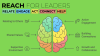
    The Geneva Learning Foundation is launching REACH (Relate, Engage, Act, Connect, Help), a new leadership network to connect local, national, and international leaders of health organizations who are solving similar problems in different countries.

    Launching November 6, 2024 REACH responds to an unexpected outcome of Teach to Reach, a peer learning platform that–in less than four years–has already documented over 10,000 local solutions and experiences to health challenges by connecting more than 60,000 participants across 77 countries.

    When organizations began formally participating in Teach to Reach in June 2024, many leaders discovered they were tackling similar challenges.

    A digital immunization tracking system in Rwanda sparked interest from several African countries.

    A community engagement approach to vaccine hesitancy in Nigeria resonated with teams in Kenya and Zimbabwe.

    These spontaneous connections led to the creation of REACH.

    What is Teach to Reach?

    “Teach to Reach is a place where you learn in the most formidable way. You’re learning from people’s experiences and it makes the learning very easy to adapt, very easy to replicate wherever you are,” says Ful Marine Fuen, Humanitarian Program Coordinator at Cameroon Baptist Convention Health Services.

    Teach to Reach is a bilingual (French/English) peer learning platform where government health workers, local organizations, and frontline staff document, analyze, and share implementation solutions across borders.

    Half of all participants work in government health services, with around 80% based at district and facility levels where policy meets practice.

    The platform’s structured peer learning process includes pre-event experience sharing, live sessions for discussion and networking, and post-event analysis to capture insights.

    “It’s a meeting of giving and receiving. Because with Teach to Reach, we always learn from peers and we develop ourselves and develop others,” notes Arthur Fidelis Metsampito Bamlatol, Coordinator at AAPSEB Cameroon.

    From individual learning to organizational impact

    The impact of these connections is already visible.

    Nduka Ozor, Project Director at the Centre for HIV/AIDS and STD RESEARCH in Nigeria, describes how a single connection expanded his organization’s reach: “I was able to meet with a potential partner who stays in Australia. Something I thought is just an online stuff is moving into a greater partnership. We have had several meetings with other networks from that initial meeting, including with representatives of New York University.”

    These kinds of partnerships form naturally as organizations share their work.

    Imagine what else might happen as health leaders like these meet, connect, and learn:

    • In Rwanda, Albert Ndagijimana shared how his country achieved 95% childhood vaccination coverage through initiatives like digital tracking of immunization outreach
    • In Kenya, Samuel Mutambuki‘s organization works with other civil society groups to rehabilitate areas affected by illegal dumping and create community gardens
    • In Zimbabwe, Rebecca Chirenga’s team addresses how climate change and food insecurity are driving early marriage and teenage pregnancy, with half of girls dropping out before completing secondary school

    “It is essentially a framework that allows us to share experiences… to strengthen our capacities,” says Patrice Kazadi, Project Director at Save the Children International DR Congo. “The challenges in DRC can be the same as in Ivory Coast and what is done in Ivory Coast can also help address challenges in DRC.”

    REACH: A new network exclusively for Teach to Reach Partners

    REACH builds on this foundation but with an important distinction – it’s exclusively for leaders of organizations that have committed to partnership with Teach to Reach.

    Over 700 organizational leaders have already confirmed their participation, representing both government agencies and civil society organizations.

    The first REACH sessions will:

    1. Connect organizations working on similar challenges
    2. Share practical approaches that have worked in different contexts
    3. Facilitate direct conversations between organizational leaders
    4. Identify potential areas for collaboration

    How can organizations join REACH?

    To participate in REACH, organizations must complete all partnership steps for Teach to Reach:

    1. Attend a Partner briefing
    2. Complete the Partnership application
    3. Share the Teach to Reach announcement
    4. Have organizational leadership endorse participation
  • Ahead of Teach to Reach 11, organizational leaders share experience of ‘what works’ for health

    Ahead of Teach to Reach 11, organizational leaders share experience of ‘what works’ for health

    Over 730 organizations have already confirmed their participation in Teach to Reach 11, a peer learning platform, network, and community for health workers facilitated by the Geneva Learning Foundation (TGLF).

    This announcement came during TGLF’s first partnership briefing held on 16 October 2024. Voir la présentation aux partenaires en français

    Teach to Reach, which connects health professionals across borders, is expanding its focus on local partnerships for its upcoming 11th edition, scheduled for 5-6 December 2024.

    Why does this matter?

    The initiative’s reach is substantial. Teach to Reach 10, held in June 2024, attracted 21,398 participants from over 70 countries. Notably, 80% of participants were from district and facility levels.

    Each participant is now being encouraged to involve their organization – and to invite staff, volunteers, and community members to join.

    “I plan to involve women from every province. We made a small committee. So our network is represented“ at Teach to Reach, said Isabelle Monga, national president of RENAFER, an NGO based in the Democratic Republic of Congo.

    What do organizational leaders say about Teach to Reach?

    Here is what Amadou Gueye, president of the Malaria Youth Corps, said about his first time participating in Teach to Reach 10: “I was very impressed by the sharing and the results I saw at Teach to Reach, especially the real data, and the fact that every time people take part afterwards, we tally it all up and give a report that’s really precise and clear.”

    Watch the first experience-sharing session on malaria at Teach to Reach 10. Voir la séance en français

    Dr. Ornela Malembe, President of ONG SADF (Santé et Développement de la Femme et de l’Enfant) in the Democratic Republic of Congo, shared how previous Teach to Reach events influenced her work: “Before Teach to Reach, we did not know about Female Genital Schistosomiasis (FGS). With what we learned, we put in place activities to raise awareness among women.”

    FGS is a neglected tropical disease that afflicts an estimated 56 million women and girls in sub-Saharan Africa. Learn more about FGS

    Vincent Kamuasha, Country Representative of United Front Against River Blindness (UFAR) in DRC, highlighted the practical impact: “At Teach to Reach, we exchanged with the national NTD programme. We approached the national program for the fight against HIV. And recently, we approached the national program for reproductive health and adolescents.”

    Watch the Teach to Reach 10 session about NTDs. Voir la séance en français

    Teach to Reach aims to deepen engagement and impact by supporting organizational change. As Reda Sadki, co-founder of TGLF, explained, “It’s really about developing your organization: share your experience, increase visibility, and access opportunities.”

    Organizations interested in becoming Teach to Reach partners are guided through the partnership application process.

    There is no cost for participants or locally-led organizations, as global partners subsidize the programme.

    What issues are these organizations about?

    The organizations at Teach to Reach 11’s briefings mirror the complexity of global health.

    They span from local community initiatives to national disease control programs, covering infectious diseases, health system strengthening, maternal and child health, youth empowerment, and community healthcare.

    Environmental health and climate change impacts were represented, as were mental health, nutrition, and digital health solutions.

    Organizations focusing on health equity, emergency response, and One Health approaches were also present.

    This diverse representation highlights the interconnected nature of global health challenges and the need for collaborative, multidisciplinary solutions.

    Teach to Reach emphasizes collaborative intelligence and active knowledge production. Participants are positioned as knowledge creators rather than passive recipients, reflecting a shift towards more inclusive global health practices.

    As global health faces complex, interconnected challenges, Teach to Reach’s focus on peer learning to drive locally-led change offers a new approach to collaboration and knowledge sharing in the field.

    Who actually attended the briefing?

    Attendees spanned a wide spectrum of the health system, from community-based workers to national-level policymakers.

    Government agencies were well-represented, including ministries of health, national immunization programs, and regional health departments from countries across Africa, Asia, and Latin America.

    Civil society organizations (CSOs) and non-governmental organizations (NGOs) formed a significant portion of attendees, ranging from local community groups to international non-profits.

    A strong presence of district and facility-level health workers included nurses, community health workers, and local health facility managers.

    International organizations such as WHO, UNICEF, and various UN agencies were also present, alongside research institutions and academic bodies.

    The linguistic diversity was notable, with a balanced representation from both anglophone and francophone countries.

    Strong participation was seen from nations such as Nigeria, Democratic Republic of Congo, Ghana, Côte d’Ivoire, Burkina Faso, Senegal, and Cameroon, among others.

    Building on Teach to Reach 10

    The partnership process was offered for the first time ahead of Teach to Reach 10 in June 2024. 240 organizations from 41 countries joined as local partners.

    Watch the Leaders & Partners Forum at Teach to Reach 10. Voir le Forum des Leaders & Partenaires en français

    What came out of Teach to Reach 10?

    Outputs from Teach to Reach 10 included almost 2,000 real-world stories and insights shared by participants.

    These experiences are shared back with the community, creating a rich repository of practical knowledge. 

    99.7% of participants reported increased motivation and commitment to their work, and 97.8% stated they learned something new that changed their perspective.

    Learn more

    Find out why you should participate in Teach to Reach, if Teach to Reach can help your organization, and why become a Teach to Reach Partner.

    Listen to the Teach to Reach podcast:

    Are you a health professional? Join the Geneva Learning Foundation’s peer learning programme on climate change and health:

    Is your organisation interested in learning from health workers? Learn more about becoming a Teach to Reach partner.

  • Why health leaders who are critical thinkers choose rote learning for others

    Why health leaders who are critical thinkers choose rote learning for others

    Many health leaders are highly analytical, adaptive learners who thrive on solving complex problems in dynamic, real-world contexts.

    Their expertise is grounded in years of field experience, where they have honed their ability to rapidly generate insights, test ideas, and innovate solutions in collaboration with diverse stakeholders.

    In January 2021, as countries were beginning to introduce new COVID-19 vaccines, Kate O’Brien, who leads WHO’s immunization efforts, connected global learning to local action:

    “For COVID-19 vaccines […] there are just too many lessons that are being learned, especially according to different vaccine platforms, different communities of prioritization that need to be vaccinated. So [everyone]  has got to be able to scale, has got to be able to deal with complexity, has got to be able to do personal, local innovation to actually overcome the challenges.”

    In an Insights Live session with the Geneva Learning Foundation in 2022, she made a compelling case that “the people who are working in the program at that most local level have to be able to adapt, to be agile, to innovate things that will work in that particular setting, with those leaders in the community, with those families.”

    However, unlike Kate O’Brien, some senior leaders in global health disconnect their own learning practices and their assumptions about how others learn best.

    When it comes to designing learning initiatives for their teams or organizations, these leaders may default to a more simplistic, behaviorist approach.

    They may equate learning with the acquisition and application of specific skills or knowledge, and thus focus on creating structured, content-driven training programs.

    The appeal of behaviorist platforms – with their promise of efficient, scalable delivery and easily measured outcomes – can be seductive in the resource-constrained, results-driven world of global health.

    Furthermore, leaders may hold assumptions that health workers – especially those at the community level – do not require higher-order critical thinking skills, that they simply need a predetermined set of knowledge and procedures.

    This view is fundamentally misguided.

    A robust body of scientific evidence on learning culture and performance demonstrates that the most effective organizations are those that foster continuous learning, critical reflection, and adaptive problem-solving at all levels.

    Health workers at the frontlines face complex, unpredictable challenges that demand situational judgment, creative thinking, and the ability to learn from experience.

    Failing to cultivate these capacities not only underestimates the potential of these health workers, but it also constrains the performance and resilience of health systems as a whole.

    The problem is that this approach fails to cultivate the very qualities that make these leaders effective learners and problem-solvers.

    Behaviorist techniques, with their emphasis on passive information absorption and narrow, pre-defined outcomes, do not foster the critical thinking, creativity, and collaborative capacity needed to tackle complex health challenges.

    They may produce short-term gains in narrow domains, but they cannot develop the adaptive expertise required for long-term impact in ever-shifting contexts.

    To help health leaders recognize this disconnect, it is useful to engage them in reflective dialogue about their own learning processes.

    By unpacking real-world examples of how they have solved thorny problems or generated novel insights, we can highlight the sophisticated cognitive strategies and collaborative dynamics at play.

    We can show how they constantly question assumptions, synthesize diverse perspectives, and iterate solutions – all skills that are essential for navigating complexity, but are poorly served by rigid, content-focused training.

    The goal is not to dismiss the need for foundational knowledge or skills, but rather to emphasize that in the face of evolving challenges, adaptive learning capacity is the real differentiator.

    It is the ability to think critically, to imagine new possibilities, to learn from failure, and to co-create with others that drives meaningful change.

    By tying this insight directly to leaders’ own experiences and values, we can inspire them to champion learning approaches that mirror the richness and dynamism of their personal growth journeys.

    Ultimately, the most impactful health organizations will be those that not only equip people with essential skills, but that also nurture the underlying cognitive and collaborative capacities needed to continually learn, adapt, and innovate.

    By recognizing and leveraging the powerful learning practices they themselves embody, health leaders can shape organizational cultures and strategies that truly empower people to navigate complexity and drive transformative change.

    This shift requires letting go of the illusion of control and predictability that behaviorism offers, and instead embracing the messiness and uncertainty of real learning.

    It means creating space for experimentation, reflection, and dialogue, and trusting in people’s inherent capacity to grow and create.

    It is a challenging transition, but one that health leaders are uniquely positioned to lead – if they can bridge the gap between how they learn and how they seek to enable others’ learning.

    Image: The Geneva Learning Foundation Collection © 2024

  • What is the relationship between leadership and performance?

    What is the relationship between leadership and performance?

    In their article “What Have We Learned That Is Critical in Understanding Leadership Perceptions and Leader-Performance Relations?”, Robert G. Lord and Jessica E. Dinh review research on leadership perceptions and performance, and provide research-based principles that can provide new directions for future leadership theory and research.

    What is leadership? 

    Leadership is tricky to define. The authors state: “Leadership is an art that has significant impact on individuals, groups, organizations, and societies”.

    It is not just about one person telling everyone else what to do. Leadership happens in the connections between people – it is something that grows between a leader and followers, almost like a partnership. And it usually does not involve just one leader either. There can be leadership shared across a whole team or organization.

    The big question is: how does all this connecting and partnering actually get a team to perform well? That is what researchers are still trying to understand.

    What we do know about leadership

    Researchers have learned a lot about what makes a leader “seem” effective to the people around them. Certain personality traits, behaviors, speaking styles and even body language can make people think “oh, that person is a good leader.” 

    But figuring out how those leaders actually influence performance over months and years is tougher. It is hard for scientists to measure stuff that happens slowly over time. More research is still needed to connect the dots between leaders’ actions today and results years later.

    How people think about leadership matters 

    Learning science shows that how people process information shapes their perceptions, emotions and behaviors. So to understand leadership, researchers are now looking into things like:

    • How do the automatic, gut-level parts of people’s brains affect leadership moments? (This means how emotions and instincts influence leadership)
    • How do leaders’ and followers’ thinking interact?  
    • How do emotions and body language play a role?

    This research might help explain why leadership works or does not work in real teams.  

    Some pitfalls to avoid 

    There are a few assumptions that could mislead leadership research:   

    1. Surveys might not catch real leadership behavior, because people’s memories are messy. Their responses involve lots of other stuff beyond just the facts.  
    2. What worked well for leaders in the past might not keep working in a fast-changing world. They cannot just keep doing the same thing.
    3. Leaders actually have less control than we think. Their organization’s success depends on unpredictable factors way beyond what they do.

    The future of leadership research has to focus more on the complex thinking and system-wide stuff that is hard to see but really important. The human brain and human groups are just too complicated for simple explanations.

    Reference: Lord, R.G., Dinh, J.E., 2014. What Have We Learned That Is Critical in Understanding Leadership Perceptions and Leader-Performance Relations? Industrial and Organizational Psychology 7, 158–177.

  • Before, during, and after COP28: Climate crisis and health, through the eyes of health workers from Africa, Asia, and Latin America 

    Before, during, and after COP28: Climate crisis and health, through the eyes of health workers from Africa, Asia, and Latin America 

    Samuel Chukwuemeka Obasi, a health professional from Nigeria:

    “Going back home to the community where I grew up as a child, I was shocked to see that most of the rivers we used to swim and fish in have all dried up, and those that are still there have become very shallow so that you can easily walk through a river you required a boat to cross in years past.”

    In July 2023, more than 1200 health workers from 68 countries shared their experiences of changes in climate and health, at a unique event designed to shed light on the realities of climate impacts on the health of the communities they serve.

    Before, during and after COP28, we are sharing health workers’ observations and insights.

    Follow The Geneva Learning Foundation to learn how climate change is affecting health in multiple ways:

    • How extreme weather events can lead to tragic loss of life.
    • How changing weather patterns are leading to crop failures and malnutrition, and forcing people to abandon their homes.
    • How infectious diseases are surging as mosquitoes proliferate and water sources are contaminated.
    • How climate stresses are particularly problematic for those with existing health conditions, like cardiovascular disease and diabetes.
    • How climate impacts are having a devastating effect on mental health as people’s ways of life are destroyed.
    • How climate change is changing the very fabric of society, driving displacement and social hardship that undermines health and wellbeing.
    • How a volatile climate is disrupting the delivery of essential health services and people’s ability to access them.
    • We will finish the series with  inspiring stories of how health workers are already responding to such challenges, working with communities to counter the effects of a changing climate.

    On 1 December 2023, TGLF will be publishing a compendium and analysis of these 1200 contributions – On the frontline of climate change and health: A health worker eyewitness report. Get the report

    This landmark report – a global first – kickstarts our campaign to ensure that health workers in the Global South are recognized as:

    • The people already having to manage the impacts of climate change on health.
    • An essential voice to listen to in order to understand climate impacts on health.
    • A potentially critical group to work with to protect the health of communities in the face of a changing climate.

    Before, during, and after COP28, we are advocating for the recognition and support of health workers as trusted advisers to communities bearing the brunt of climate change effects on health.

    Watch the Special Event: From community to planet: Health professionals on the frontlines of climate change

  • Honoring health professionals as leaders of change

    Honoring health professionals as leaders of change

    We honor everyone who is joining the Special Event “From community to planet: Health professionals on the frontlines of climate change”: health staff from immunization and other areas of health – environmental health and One Health, but also those who fight neglected tropical diseases (NTDs), HIV, and other ailments. We also honor allies, including human rights advocates, those working to decolonize global health, fighting for gender and racial equity as well as economic justice.

    Since 2016, the Geneva Learning Foundation (TGLF) has supported a global peer learning network and platform, built by and for immunization staff from all over the world. This is because we believe that practitioner-led peer education is a powerful philosophy for change in the Digital Age. 

    In 2020, when the COVID-19 pandemic, at least 80 million children under one were placed at risk of vaccine-preventable diseases such as diphtheria, measles and polio as COVID-19 disrupted immunization service as worldwide. Over 6,000 immunization staff om TGLF’s immunization network worked together to build the COVID-19 Peer Hub, collaborating on early-learning recovery plans and then preparing strategies to engage communities ahead of the introduction of the COVID-19 vaccines.

    In March 2022, this network and platform helped launch the Movement for Immunization Agenda 2030 (IA2030), transforming the world’s strategy into local action. IA2030 Movement Leaders are accelerating progress by learning from each other, sharing successes, lessons learned, and challenges, forging together new ways of thinking, learning, and doing to meet the complex challenges ahead. Learn more about the MovementWhat is the Movement for Immunization Agenda 2030 (IA2030)?

    We honor these IA2030 Leaders, primarily government workers from districts and facilities, who were the first to respond to the Call to Action of the Special Event “From community to planet: Health professionals on the frontlines of climate change”.

    What does immunization have to do with climate change? Read this blog post.

  • Listen to the Ninth Dialogue for Learning, Leadership, and Impact

    Listen to the Ninth Dialogue for Learning, Leadership, and Impact

    The Geneva Learning foundation’s Dialogue connects a diverse group of learning leaders from all over the world who are tackling complex learning, leadership, and impact challenges. We explore the significance of leadership for the future of our societies, explore lessons learned and successes, and problem-solve real-world challenges and dilemmas submitted by Contributors of the Dialogue.

    In the Geneva Learning Foundation’s Ninth Dialogue for Learning & Leadership, we start with Dr. Mai Abdalla. After studying global health security in at Yosei University South Korea and both public health and pharmaceutical science in her own country, Egypt. By the time she turned 30, Dr Abdalla had already worked with the Ministry of Health, UN agencies, and the African Union Commission. The accomplishments of her professional life are just the starting point, as we want to explore where and how did she learn to do what she does now? What has shaped her practice of leadership?

    We are privileged to have Key Contributors Laura Bierema and Bill Gardner, together with Karen Watkins, three Scholars who have dedicated their life’s work to the study of leadership and learning. As we learn about Mai Abdalla’s leadership journey, they share their insights and reflections.

    Here are a few of the questions we have explored in previous episodes of the Dialogue:

    • How do you define your leadership in relationship to learning?
    • Do you see yourself as a leader? Why or why not? If you do, who are your ‘followers’? Are you a ‘learning leader’ and, if so, what does that mean?
    • How do you define leadership in this Digital Age? How is it different from leadership in the past?
    • When and how did you realize the significance of the leadership question in your work and life? Who or what helped you come to consciousness? What difference did it make to have this new consciousness about the importance of leadership?
    • What is your own leadership practice now? Can you tell us about a time when you exercised ‘leadership’. What were the lessons learned? What would you do the same or differently if confronted with the same situation in the future?

    In the second half of the Dialogue, we explored the leadership challenges of other other invited Contributors, including:

    • Sanusi Getso on leadership to establish antenatal care services for a neglected community.
    • Alève Mine shares her quandary about how to understand something for which no scaffold exists in one’s current view of the world.