Tag: Teach to Reach

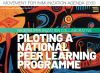
  • Nigeria Immunization Agenda 2030 Collaborative: Piloting a national peer learning programme

    Nigeria Immunization Agenda 2030 Collaborative: Piloting a national peer learning programme

    Insights report about Nigeria’s Immunization Agenda 2030 Collaborative surfaces surprising solutions for both demand- and supply-side immunization challenges

    When 4,434 practitioners from all 36 states asked why children in their communities remained unvaccinated, the problems they thought they understood often had entirely different root causes.

    “I ended up being surprised at the answer I got,” said one health worker.

    Half of the health workers who participated in Nigeria’s largest-ever peer learning exercise in July 2024 discovered that their initial assumptions about local immunization challenges were wrong. The six-week programme generated 409 detailed analyses of local immunization challenges, with each reviewed by peers across the country.

    One year after The Geneva Learning Foundation launched the first Immunization Agenda 2030 Collaborative, in partnership with UNICEF and Gavi, under the auspices of the Nigeria Primary Health Care Development Agency (NPHCDA), a comprehensive insights report documents findings that illuminate persistent gaps between health system planning and community realities.

    How to access the Nigeria Immunization Collaborative’s first insights report:

    Chat with the report

    Health workers report being asked for insights for first time

    A recurring theme emerged from participant feedback that surprised programme organizers. “Many said no one has ever asked us what we think should happen or why do you think that is,” said TGLF’s Charlotte Mbuh, during the February 2025 presentation of the findings to NPHCDA and the country’s immunization partners.

    This potential for linking community experience with formal planning processes became evident when systematic analysis revealed that participants consistently identified practical solutions—many of which they could implement with existing resources.

    “Through my participation in the immunization Collaborative, I learned the critical value of root cause analysis,” reported one participant from Apo Resettlement Primary Health Centre in Abuja. “I applied this approach to uncover that insufficient manpower was the primary issue limiting vaccine coverage”—not the community resistance initially assumed.

    Dr. Akinpelu Adetola, a government public health specialist in Lagos State, exemplified this pattern. Her investigation of declining vaccination rates revealed poor scheduling that created both overcrowded and quiet clinic days. “A register and scheduling system were introduced to address this issue,” she shared with colleagues from across the country.

    Implementation gaps – not knowledge gaps – in the Nigeria Immunization Collaborative

    The Collaborative’s most significant finding challenges a common assumption in global health programming. Participants consistently proposed solutions that were “already well-known, suggesting that progress is limited by implementation issues rather than a lack of solutions,” according to the evaluation report.

    This pattern appeared across diverse contexts and challenge types. When health workers applied root cause analysis to local problems, they frequently identified straightforward interventions that had been overlooked by previous efforts focused on changing community attitudes or providing additional training.

    The evaluation found that 42% of participating health workers identified zero-dose challenges as their top local priority—aligning with national strategy priorities while providing granular intelligence about how these challenges manifest in specific communities.

    Nigeria Immunization Agenda 2030 Collaborative: Reconnecting data collection with local problem-solving

    A striking finding illuminated a fundamental disconnect in Nigeria’s health information systems: only 25% of participants knew their local coverage rates for key vaccines, despite many being responsible for collecting and reporting these figures at the local levels.

    “Many said, well, I collect these numbers, pass them on, but I didn’t know I could actually use them. They could actually help me in my work,” Mbuh explained, describing how participants began analyzing data they were already gathering within the first four weeks of the programme.

    While participants initially focused on demand-side issues—why communities do not seek vaccination services—systematic investigation often revealed supply-side problems underlying apparent “hesitancy.”

    Six primary supply-side challenges consistently undermine immunization delivery: poor data quality hampering service planning; vaccine stockouts due to inadequate inventory management; non-functional cold chain equipment; missed opportunities for catch-up vaccination; service quality issues that deter families; and systematic exclusion of hard-to-reach populations.

    Scale, speed, and sustainability across a complex federal system

    Launched by The Geneva Learning Foundation on 22 July 2024 in partnership with NPHCDA with support from UNICEF and Gavi, the Nigeria Immunization Agenda 2030 Collaborative connected health workers and other immunization stakeholders from more than 300 local government areas – with most based in northern States – within two weeks. Over 600 government facilities, private sector providers, and civil society organizations then signed on as organizational partners. Participants included 65% from local government and facility levels—both the community health workers who directly deliver immunization services and the LGA managers who support them.

    The initiative achieved this scale while operating at faster speed and significantly lower cost than conventional technical assistance and capacity-building approaches.

    The programme supported participants in using a simple, practical “five-whys” root cause analysis methodology, with each analysis reviewed by three peers across Nigeria’s diverse contexts. This peer review process provided depth to complement scale: it improved analytical quality regardless of participants’ initial skill levels.

    “The peer review was another mind-blowing innovation where intellect from other parts of Nigeria viewed your work and made constructive input,” noted one reviewer. “It made me realize I can be a team player.”

    Rapid implementation documented within weeks

    Within six weeks, health workers began reporting connections between new activities based on their root cause analyses and improved health outcomes.

    “During the Collaborative, we discussed successful case studies from other regions. Inspired by these stories, I have strengthened partnerships with local health authorities and other stakeholders to deepen immunization coverage, especially among under-fives. This collaboration has resulted in a significant increase in childhood vaccination rates in my community,” reported one participant from Ebonyi State.

    Unlike conventional training programs that end with certificates, evidence emerged that participants were applying insights within their ongoing work responsibilities and sustaining collaboration independently.

    Evidence of sustained networks and application one year later

    In fact, evidence one year on points to surprising sustainability, as the network continues to function without any external support.

    Four months after the programme concluded, TGLF organized a Teach to Reach session with 24,610 health workers participating, featuring Collaborative participants sharing early outcomes from the Nigeria initiative. This session revealed participants maintaining connections and applying methodologies in new contexts.

    “When we applied the root cause analysis, the five ‘whys’, this opened our eyes to see that it was not all about community members alone,” reported Uyebi Enosandra, a disability specialist working in Delta State. “We have challenges with the primary health workers, not knowing how to incorporate children with disability in the immunization programme.”

    Her account exemplified the pattern documented across participant testimonials: systematic analysis revealed different root causes than initially assumed, leading to more targeted solutions.

    Gregory, a retired professional who participated in outbreak response work in Borno State, described encountering Collaborative participants in the field: “I was pleased to hear that they participated in the Collaborative. And whatever step I wanted to take, they were almost ahead of me to say, sir, we have learned this and we are going to apply it.”

    “In my everyday activities at work I use this ‘5 whys’ to get to the root cause of any complaint and in my own little space make an impact on the patient,” one participant reported in follow-up feedback.

    The methodology’s application extended beyond immunization contexts. Participants reported using the analytical framework for disability inclusion, malaria programming, and broader health system challenges, suggesting the transferable value of structured problem-solving approaches.

    The December 2024 Teach to Reach session revealed ongoing demand for the methodology. Despite significant connectivity challenges affecting West Africa during the session, participants expressed eagerness to share the approach with colleagues. “Presently I’m even encouraging my colleagues to join,” one participant noted. “They’ve been asking me, how do I join, when will this come and all that.”

    The most significant sustainability indicator, according to Mbuh, appeared in widespread participant feedback: “I did not realize how much I could do with what we already have.” This response gained particular relevance as Nigeria and other countries navigate current funding constraints affecting global health programming.

    Potential to strengthen existing systems

    For NPHCDA and international partners, the Collaborative provided intelligence typically unavailable through conventional assessments. The analysis of root cause analyses offers detailed insights into how challenges manifest across Nigeria’s diverse geographic and cultural contexts.

    The approach demonstrated potential to complement existing training, supervision, and technical assistance systems by harnessing health workers’ practical experience and problem-solving capacity. The model addresses real-world challenges participants can immediately influence while building professional networks alongside technical competencies.

    “This pilot programme has demonstrated demand for peer learning, and the feasibility of running a national peer learning programme that brings together the strengths of a national immunization programme, a global partner and an educational organization,” the evaluation concludes.

    For Nigeria’s work toward Zero-Dose Immunization Recovery Plan goals through 2028, the Collaborative provides an innovative approach for translating national strategies into local action while building health worker capacity for continuous adaptation and problem-solving.

    The programme has evolved into what participants describe as a self-sustaining platform that continues operating independent of formal support, suggesting potential for integration with existing health system structures and processes in a true “sector-wide” approach.

    Reference

    Jones, I., Sadki, R., Sequeira, J., & Mbuh, C. (2025). Nigeria Immunization Agenda 2030 Collaborative: Piloting a national peer learning programme (1.0). The Geneva Learning Foundation (TGLF). https://doi.org/10.5281/zenodo.14167168

    Image: Cover the report “Nigeria Immunization Agenda 2030 Collaborative: Piloting a national peer learning programme”.

  • Artificial intelligence, accountability, and authenticity: knowledge production and power in global health crisis

    Artificial intelligence, accountability, and authenticity: knowledge production and power in global health crisis

    I know and appreciate Joseph, a Kenyan health leader from Murang’a County, for years of diligent leadership and contributions as a Scholar of The Geneva Learning Foundation (TGLF). Recently, he began submitting AI-generated responses to Teach to Reach Questions that were meant to elicit narratives grounded in his personal experience.

    Seemingly unrelated to this, OpenAI just announced plans for specialized AI agents—autonomous systems designed to perform complex cognitive tasks—with pricing ranging from $2,000 monthly for a “high-income knowledge worker” equivalent to $20,000 monthly for “PhD-level” research capabilities.

    This is happening at a time when traditional funding structures in global health, development, and humanitarian response face unprecedented volatility.

    These developments intersect around fundamental questions of knowledge economics, authenticity, and power in global health contexts.

    I want to explore three questions:

    • What happens when health professionals in resource-constrained settings experiment with AI technologies within accountability systems that often penalize innovation?
    • How might systems claiming to replicate human knowledge work transform the economics and ethics of knowledge production?
    • And how should we navigate the tensions between technological adoption and authentic knowledge creation?

    Artificial intelligence within punitive accountability structures of global health

    For years, Joseph had shared thoughtful, context-rich contributions based on his direct experiences. All of a sudden, he was submitting generic mush with all the trappings of bad generative AI content.

    Should we interpret this as disengagement from peer learning?

    Given his history of diligence and commitment, I could not dismiss his exploration of AI tools as diminished engagement. Instead, I understood it as an attempt to incorporate new capabilities into his professional repertoire. This was confirmed when I got to chat with him on a WhatsApp call.

    Our current Teach to Reach Questions system has not yet incorporated the use of AI. Our “old” system did not provide any way for Joseph to communicate what he was exploring.

    Hence, the quality limitations in AI-generated narratives highlight not ethical failings but a developmental process requiring support rather than judgment.

    But what does this look like when situated within global health accountability structures?

    Health workers frequently operate within highly punitive systems where performance evaluation directly impacts funding decisions. International donors maintain extensive surveillance of program implementation, creating environments where experimentation carries significant risk. When knowledge sharing becomes entangled with performance evaluation, the incentives for transparency about AI “co-working” (i.e., collaboration between human and AI in work) diminish dramatically.

    Seen through this lens, the question becomes not whether to prohibit AI-generated contributions but how to create environments where practitioners can explore technological capabilities without fear that disclosure will lead to automatic devaluation of their knowledge, regardless of its substantive quality. This heavily depends on the learning culture, which remains largely ignored or dismissed in global health.

    The transparency paradox: disclosure and devaluation of artificial intelligence in global health

    This case illustrates what might be called the “transparency paradox”—when disclosure or recognition of AI contribution triggers automatic devaluation regardless of substantive quality. Current attitudes create a problematic binary: acknowledge AI assistance and have contributions dismissed regardless of quality, or withhold disclosure and risk accusations of misrepresentation or worse.

    This paradox creates perverse incentives against transparency, particularly in contexts where knowledge production undergoes intensive evaluation linked to resource allocation. The global health sector’s evaluation systems often emphasize compliance over innovation, creating additional barriers to technological experimentation. When every submission potentially affects funding decisions, incentives for technological experimentation become entangled with accountability pressures.

    This dynamic particularly affects practitioners in Global South contexts, who face more intense scrutiny while having less institutional protection for experimentation. The punitive nature of global health accountability systems deserves particular emphasis. Health workers operate within hierarchical structures where performance is consistently monitored by both national governments and international donors. Surveillance extends from quantitative indicators to qualitative assessments of knowledge and practice.

    In environments where funding depends on demonstrating certain types of knowledge or outcomes, the incentive to leverage artificial intelligence in global health may conflict with values of authenticity and transparency. This surveillance culture creates uniquely challenging conditions for technological experimentation. When performance evaluation drives resource allocation decisions, health workers face considerable risk in acknowledging technological assistance—even as they face pressure to incorporate emerging technologies into their practice.

    The economics of knowledge in global health contexts

    OpenAI’s announced “agents” represent a substantial evolution beyond simple chatbots or language models. If they are able to deliver what they just announced, these specialized systems would autonomously perform complex tasks simulating the cognitive work of highly-skilled professionals. The most expensive tier, priced at $20,000 monthly, purportedly offers “PhD-level” research capabilities, working continuously without the limitations of human scheduling or attention.

    These claims, while unproven, suggest a potential future where knowledge work economics fundamentally change. For global health organizations operating in Geneva, where even a basic intern position for a recent master’s degree graduate cost more than 200 times that of a ChatGPT subscription, the economic proposition of systems working 24/7 for potentially comparable costs merits careful examination.

    However, the global health sector has historically operated with significant labor stratification, where personnel in Global North institutions command substantially higher compensation than those working in Global South contexts. Local health workers often provide critical knowledge at compensation rates far below those of international consultants or staff at Northern institutions. This creates a different economic equation than suggested by Geneva-based comparisons. Many organizations have long relied on substantially lower local labor costs, often justified through capacity-building narratives that mask underlying power asymmetries.

    Given this history, the risk that artificial intelligence in global health would replace local knowledge workers might initially appear questionable. Furthermore, the sector has demonstrated considerable resistance to technological adoption, particularly when it might disrupt established operational patterns. However, this analysis overlooks how economic pressures interact with technological change during periods of significant disruption.

    The recent decisions of many government to donors to suddenly and drastically cut funding and shut down programs illustrates how rapidly even established funding structures can collapse. In such environments, organizations face existential questions about maintaining operational capacity, potentially creating conditions where technological substitution becomes more attractive despite institutional resistance.

    A new AI divide

    ChatGPT and other generative AI tools were initially “geo-locked”, making them more difficult to access from outside Europe and North America.

    Now, the stratified pricing structure of OpenAI’s announced agents raises profound equity concerns. With the most sophisticated capabilities reserved for those able to pay high costs for the most capable agents, we face the potential emergence of an “AI divide” that threatens to reinforce existing knowledge power imbalances.

    This divide presents particular challenges for global health organizations working across diverse contexts. If advanced AI capabilities remain the exclusive province of Northern institutions while Southern partners operate with limited or no AI augmentation, how might this affect knowledge dynamics already characterized by significant inequities?

    The AI divide extends beyond simple access to include quality differentials in available systems. Even as simple AI tools become widely available, sophisticated capabilities that genuinely enhance knowledge work may remain concentrated within well-resourced institutions. This could lead to a scenario where practitioners in resource-constrained settings use rudimentary AI tools that produce low-quality outputs, further reinforcing perceptions of capability gaps between North and South.

    Confronting power dynamics in AI integration

    Traditional knowledge systems in global health position expertise in academic and institutional centers, with information flowing outward to practitioners who implement standardized solutions. This existing structure reflects and reinforces global power imbalances. 

    The integration of AI within these systems could either exacerbate these inequities—by further concentrating knowledge production capabilities within well-resourced institutions—or potentially disrupt them by enabling more distributed knowledge creation processes.

    Joseph’s journey demonstrates this tension. His adoption of AI tools might be viewed as an attempt to access capabilities otherwise reserved for those with greater institutional resources. The question becomes not whether to allow such adoption, but how to ensure it serves genuine knowledge democratization rather than simply producing more sophisticated simulations of participation.

    These emerging dynamics require us to fundamentally rethink how knowledge is valued, created, and shared within global health networks. The transparency paradox, economic pressures, and emerging AI divide suggest that technological integration will not occur within neutral space but rather within contexts already characterized by significant power asymmetries.

    Developing effective responses requires moving beyond simple prescriptions about AI adoption toward deeper analysis of how these technologies interact with existing power structures—and how they might be intentionally directed toward either reinforcing or transforming these structures.

    My framework for Artificial Intelligence as co-worker to support networked learning and local action is intended to contribute to such efforts.

    Illustration: The Geneva Learning Foundation Collection © 2025

    References

    Frehywot, S., Vovides, Y., 2024. Contextualizing algorithmic literacy framework for global health workforce education. AIH 0, 4903. https://doi.org/10.36922/aih.4903

    Hazarika, I., 2020. Artificial intelligence: opportunities and implications for the health workforce. International Health 12, 241–245. https://doi.org/10.1093/inthealth/ihaa007

    John, A., Newton-Lewis, T., Srinivasan, S., 2019. Means, Motives and Opportunity: determinants of community health worker performance. BMJ Glob Health 4, e001790. https://doi.org/10.1136/bmjgh-2019-001790

    Newton-Lewis, T., Munar, W., Chanturidze, T., 2021. Performance management in complex adaptive systems: a conceptual framework for health systems. BMJ Glob Health 6, e005582. https://doi.org/10.1136/bmjgh-2021-005582

    Newton-Lewis, T., Nanda, P., 2021. Problematic problem diagnostics: why digital health interventions for community health workers do not always achieve their desired impact. BMJ Glob Health 6, e005942. https://doi.org/10.1136/bmjgh-2021-005942

    Artificial Intelligence and the health workforce: Perspectives from medical associations on AI in health (OECD Artificial Intelligence Papers No. 28), 2024. , OECD Artificial Intelligence Papers. https://doi.org/10.1787/9a31d8af-en

    Sadki, R. (2025). A global health framework for Artificial Intelligence as co-worker to support networked learning and local action. Reda Sadki. https://doi.org/10.59350/gr56c-cdd51

  • AI podcast explores surprising insights from health workers about HPV vaccination

    AI podcast explores surprising insights from health workers about HPV vaccination

    This is an AI podcast featuring two hosts discussing an article by Reda Sadki titled “New Ways to Learn and Lead HPV Vaccination: Bridging Planning and Implementation Gaps.” The conversational format involves the AI hosts taking turns explaining key points and sharing insights about Sadki’s work on HPV vaccination strategies. While the conversation is AI-generated, everything is based on the published article and insights from the experiences of thousands of health workers participating in Teach to Reach.

    The Geneva Learning Foundation’s approach

    Throughout the podcast, the hosts explore how the Geneva Learning Foundation (TGLF) has developed a five-step process to improve HPV vaccination implementation through their “Teach to Reach” program. This process involves:

    1. Gathering experiences from health workers worldwide
    2. Analyzing these experiences for patterns and innovative solutions
    3. Conducting deep dives into specific case studies
    4. Bringing national EPI planners into the conversation
    5. Synthesizing and sharing knowledge back with frontline workers

    The hosts emphasize that this approach represents a shift from traditional top-down strategies to one that values the collective intelligence of over 16,000 global health workers who implement these programs.

    Surprising findings

    The AI hosts discuss several findings from peer learning that may seem counterintuitive, including:

    • Tribal communities often show less vaccine hesitancy than urban populations, potentially due to stronger community ties and trust in traditional leaders
    • Teachers sometimes have more influence than health workers when it comes to vaccination recommendations
    • Simple, clear communication is often more effective than complex strategies
    • Religious institutions can become powerful allies when approached respectfully
    • Male community leaders can be crucial advocates for what’s typically framed as a women’s health issue

    Effective implementation strategies

    The hosts highlight various successful implementation approaches mentioned in Sadki’s article:

    • Cancer survivors serving as powerful advocates
    • WhatsApp groups connecting community health workers for information sharing
    • Engaging schoolchildren as messengers to initiate family conversations
    • Integrating vaccination efforts with existing women’s groups
    • Community theater and traditional storytelling methods
    • Less formal settings often producing better results than clinical environments

    System-level insights

    The podcast discussion reveals that successful vaccination programs don’t necessarily require abundant resources. Instead, key factors include:

    • Strong leadership and clear vision
    • Commitment to continuous learning
    • Community mobilization and trust-building
    • Leveraging informal networks
    • Prioritizing social factors over technical ones
    • Local adaptation rather than standardization

    The AI hosts conclude by reflecting on how these principles challenge global health epidemiologists to reconsider their roles—moving beyond data analysis to becoming facilitators who empower communities to develop their own solutions.

  • HPV vaccination: New learning and leadership to bridge the gap between planning and implementation

    HPV vaccination: New learning and leadership to bridge the gap between planning and implementation

    This article is based on my presentation about HPV vaccination at the 2nd National Conference on Adult Immunization and Allied Medicine of the Indian Society for Adult Immunization (ISAI), Science City, Kolkata, on 15 February 2025.

    The HPV vaccination implementation challenge

    The global landscape of HPV vaccination and cervical cancer prevention reveals a mix of progress and persistent challenges. While 144 countries have introduced HPV vaccines nationally and vaccination has shown remarkable efficacy in reducing cervical cancer incidence, significant disparities persist, particularly in low- and middle-income countries.

    Evidence suggests that challenges in implementing and sustaining HPV vaccination programs in developing countries are significantly influenced by gaps between planning at national level and execution at local levels. Multiple studies confirm this disconnect as a primary barrier to effective HPV vaccination programmes.

    Traditional approaches to knowledge development in global health often rely on expert committee models characterized by hierarchical knowledge flows, formal meeting processes, and bounded timelines. While these approaches offer strengths like high academic rigor and systematic review, they frequently miss frontline insights, develop slowly, and produce static outputs that may be difficult to translate effectively into action.

    How the peer learning network alternative can support HPV vaccination

    At The Geneva Learning Foundation (TGLF), we have developed a complementary model—one that values the collective intelligence of frontline health workers and creates structured opportunities for their insights to inform policy and practice. This peer learning network model features:

    • Large, diverse networks with multi-directional knowledge flow
    • Open participation and flexible engagement
    • Direct field experience and implementation insights
    • Iterative development through experience sharing
    • Continuous refinement and living knowledge

    This approach captures practical knowledge, enables rapid learning cycles, preserves context, and brings together multiple perspectives in a dynamic process that continuously updates as new information emerges.

    HPV vaccination: the peer learning cycle in action

    To address HPV vaccination challenges, we implemented a structured five-stage cycle that connected frontline experiences with policy decisions:

    1. Experience collection at scale: In June 2023, we engaged over 16,000 health professionals to share their HPV vaccination experiences through our Teach to Reach programme. This stage focused specifically on capturing frontline implementation challenges and solutions across diverse contexts.
    2. Synthesis and analysis: TGLF’s Insights Unit identified key themes, success patterns, and common challenges while highlighting local innovations and practical solutions that emerged from the field.
    3. Knowledge deepening: In October 2023, we conducted a second round of experience sharing that built upon earlier discussions at Teach to Reach. This stage featured more in-depth case studies and implementation stories, providing additional contexts and approaches to vaccination challenges.
    4. National-level review: In January 2024, we facilitated a consultation with national EPI (Expanded Programme on Immunization) planners from 31 countries. This created direct connections between field experience and national strategy, validating and enriching the collected insights.
    5. Knowledge mobilization: Finally, we synthesized the insights into practical guidance, ready for sharing back to frontline workers, and established a foundation for continued learning cycles.

    This process uniquely values the practical wisdom that emerges from implementation experience. Rather than assuming solutions flow from the top down, we recognize that those doing the work often develop the most effective approaches to complex challenges.

    Teach to Reach: Building a learning community for HPV vaccination

    Our Teach to Reach programme serves as the hub for this peer learning approach. Since its inception, the community has grown steadily since January 2021 to reach over 24,000 members by December 2024. The participants reflect remarkable diversity.

    This diversity of contexts and experiences creates a rich environment for learning. The programme demonstrates significant impact on participants’ professional capabilities—compared to global baselines, Teach to Reach participants show:

    • 45% stronger worldview change
    • 41% greater impact on professional practice
    • 49% higher professional influence

    7 insights about HPV vaccination from peer learning at Teach to Reach

    Through this process, we uncovered several important implementation insights:

    1. Importance of connecting field experience to policy

    • Each stage deepened understanding of implementation challenges
    • We observed progression from tactical to strategic considerations
    • Growing recognition of systemic factors emerged
    • Evolution from individual to institutional solutions became apparent
    • Value of structured knowledge sharing across levels was demonstrated

    2. Implementation learning

    • Success requires multi-stakeholder engagement
    • Sustained communication proves more effective than one-time campaigns
    • School systems provide critical implementation platforms
    • Community leadership is essential for acceptance
    • Integration with other services increases efficiency
    • Local adaptation is key to successful implementation

    3. Unexpected implementation findings

    • Tribal communities often showed less vaccine hesitancy than urban areas
    • Teachers emerged as more influential than health workers in some contexts
    • Personal stories proved more persuasive than statistical evidence
    • Integration with COVID-19 vaccination improved HPV acceptance
    • Social media played both positive and negative roles
    • School-based programs sometimes reached out-of-school children

    4. Counter-intuitive success factors

    • Less formal settings often produced better results
    • Simple communication strategies outperformed complex ones
    • Male community leaders became strong vaccination advocates
    • Religious institutions provided unexpected support
    • Health worker vaccination of own children became powerful tool
    • Community dialogue proved more effective than expert presentations

    5. Unexpected challenges

    • Urban areas sometimes showed more resistance than rural areas
    • Education level did not correlate with vaccine acceptance
    • Health workers themselves sometimes showed hesitancy
    • Traditional media was less influential than anticipated
    • Formal authority figures were not always the most effective advocates
    • Technical knowledge proved less important than communication skills

    6. Examples of novel solutions

    • Using cancer survivors as advocates
    • WhatsApp groups for community health workers
    • School children as messengers to families
    • Integration with existing women’s groups
    • Leveraging religious texts and teachings
    • Community theater and storytelling approaches

    System-level surprises

    • Success was often independent of resource levels
    • Informal networks proved more important than formal ones
    • Bottom-up strategies were more effective than top-down approaches
    • Social factors were more influential than technical ones
    • Local adaptation was more important than standardization
    • Peer influence was more powerful than expert authority

    In some cases, these findings challenge many conventional assumptions about HPV vaccination programmes. In all cases, they highlight the importance of local knowledge, social factors, and adaptation over standardized approaches based solely on technical expertise.

    The power of health worker collective intelligence

    Our approach demonstrates the value of health worker collective intelligence in improving performance:

    • High-quality data and situational intelligence from our network of 60,000+ health workers provides rapid insights
    • Field observations on changing disease patterns and resistance can be quickly collected
    • Climate change impacts can be tracked through frontline reports
    • The TGLF Insights Unit packages this intelligence into knowledge to inform practice and policy

    This represents a fundamental shift from assuming expert committees have all the answers to recognizing the distributed expertise that exists throughout health systems.

    Continuous learning: The key to improvement

    In fact, previous TGLF research has demonstrated that continuous learning is often the “Achilles’ heel” in immunization programs. Common issues include:

    1. Relative lack of learning opportunities
    2. Limited ability to experiment and take risks
    3. Low tolerance for failure
    4. Focus on task completion at the expense of building capacity for future performance
    5. Lack of encouragement for learning tied to tangible organizational incentives

    In 2020 and 2022, we conducted large-scale measurements of learning culture of more than 10,000 immunization professionals in low- and middle-income countries. The data showed that ‘learning culture’ (a measure of the capacity for change) correlated more strongly with perceived programme performance than individual motivation did. This challenges the common assumption that poor motivation is the root cause of poor performance.

    These findings help zero in on six ways to strengthen continuous learning to drive HPV vaccination:

    1. Motivate health workers to believe strongly in the importance of what they do
    2. Give them practice dealing with difficult situations they might face
    3. Build mental resilience for facing obstacles
    4. Prompt them to enlist coworkers for support
    5. Help them engage their bosses to provide guidance, support, and resources
    6. Help them identify and overcome workplace obstacles

    Impact and benefits of peer learning

    This approach delivers multiple benefits:

    • Frontline workers gain broader perspective
    • National planners access grounded insights
    • Practical solutions spread more quickly
    • Policy decisions are informed by field experience
    • Continuous improvement cycle gets established

    Key success factors include:

    • Scale that enables diverse input collection
    • Structure that supports quality knowledge creation
    • Regular rhythm that maintains engagement
    • Multiple levels of review that ensure relevance
    • Clear pathways from insight to action

    How can we interpret these findings?

    This model generates implementation-focused evidence that complements rather than competes with traditional epidemiological data. 

    The findings emerge from a structured methodology that includes initial experience collection at scale, synthesis and analysis, knowledge deepening through case studies, national-level review by EPI planners from 31 countries, and systematic knowledge mobilization. This approach provides rigor and scale that elevate these observations beyond mere anecdotes.

    For epidemiologists who become uncomfortable when evidence is not purely quantitative, it is important to understand that structured peer learning fills a critical gap in implementation science by capturing what quantitative studies often miss: the contextual factors and practical adaptations that determine programme success or failure in real-world settings.

    When implementers report across different contexts that tribal communities show less vaccine hesitancy than urban areas, or that teachers emerge as more influential than health workers in specific settings, these patterns represent valuable implementation intelligence.

    Such insights also help explain why interventions that appear effective in controlled studies often fail to deliver similar results when implemented at scale.

    In fact, these findings address precisely what quantitative studies struggle to capture: why education level does not reliably predict vaccine acceptance; why some resource-constrained settings outperform better-resourced ones; how informal networks frequently prove more effective than formal structures; and which communication approaches actually drive behavior change in specific populations.

    For programme planners, this knowledge bridges the gap between general guidance (“engage community leaders”) and actionable specifics (“male community leaders became particularly effective advocates when engaged through these specific approaches”). 

    Accelerating HPV vaccination progress

    To make significant progress on HPV vaccination as part of the Immunization Agenda 2030’s Strategic Priority 4 (life-course and integration), we encourage global health stakeholders to:

    1. Rethink how we learn
    2. Question how we engage with families and communities
    3. Focus on trust

    By combining expert knowledge with the practical wisdom of thousands of implementers, we can develop more effective strategies for HPV vaccination that bridge the gap between planning and execution.

    This peer learning network approach does not replace expertise—it enhances and grounds it in the realities of implementation.

    It recognizes that the frontline health worker in a remote village may hold insights just as valuable as those of a technical expert in a capital city.

    By creating structures that enable these insights to emerge and connect, we can accelerate progress on HPV vaccination and other public health challenges.

    Acknowledgements

    I wish to thank ISAI’s Dr Saurabh Kole and his colleagues for their kind invitation. I also wish to recognize and appreciate Charlotte Mbuh and Ian Jones for their invaluable contributions to the Foundation’s work on HPV vaccination, and Dr Satabdi Mitra for her tireless leadership and boundless commitment. Last but not least, I wish to thank the thousands of health workers who contributed their experiences before, during, and after successive Teach to Reach peer learning events. What little I know comes from their collective intelligence, action, and wisdom.

    References

    Dorji, T. et al. (2021) ‘Human papillomavirus vaccination uptake in low-and middle-income countries: a meta-analysis’, EClinicalMedicine, 34, p. 100836. Available at: https://doi.org/10.1016/j.eclinm.2021.100836.

    Faye, W. et al. (2023) IA2030 Case study 18. Wasnam Faye. Vaccine angels – Give us the opportunity and we can perform miracles. The Geneva Learning Foundation. Immunization Agenda 2030 Case study 18. Available at: https://doi.org/10.5281/ZENODO.7785244.

    Gonçalves, I.M.B. et al. (2020) ‘HPV Vaccination in Young Girls from Developing Countries: What Are the Barriers for Its Implementation? A Systematic Review’, Health, 12(06), pp. 671–693. Available at: https://doi.org/10.4236/health.2020.126050.

    Jones, I. et al. (2024) Making connections at Teach to Reach 8 (IA2030 Listening and Learning Report 6). Available at: https://doi.org/10.5281/ZENODO.8398550.

    Jones, I. et al. (2022) IA2030 Case Study 7. Motivation, learning culture and programme performance. The Geneva Learning Foundation. Available at: https://doi.org/10.5281/ZENODO.7004304.

    Kutz, J.-M. et al. (2023) ‘Barriers and facilitators of HPV vaccination in sub-saharan Africa: a systematic review’, BMC Public Health, 23(1), p. 974. Available at: https://doi.org/10.1186/s12889-023-15842-1.

    Moore, K. et al. (2022) Overcoming barriers to vaccine acceptance in the community: Key learning from the experiences of 734 frontline health workers. The Geneva Learning Foundation. Available at: https://doi.org/10.5281/ZENODO.6965355.

    Umbelino-Walker, I. et al. (2024) ‘Towards a sustainable model for a digital learning network in support of the Immunization Agenda 2030 –a mixed methods study with a transdisciplinary component’, PLOS Global Public Health. Edited by M. Pentecost, 4(12), p. e0003855. Available at: https://doi.org/10.1371/journal.pgph.0003855.

    Watkins, K.E. et al. (2022) ‘Accelerating problem-solving capacities of sub-national public health professionals: an evaluation of a digital immunization training intervention’, BMC Health Services Research, 22(1), p. 736. Available at: https://doi.org/10.1186/s12913-022-08138-4.

    Wigle, J., Coast, E. and Watson-Jones, D. (2013) ‘Human papillomavirus (HPV) vaccine implementation in low and middle-income countries (LMICs): Health system experiences and prospects’, Vaccine, 31(37), pp. 3811–3817. Available at: https://doi.org/10.1016/j.vaccine.2013.06.016.

  • Ahead of Teach to Reach 11, health leaders from 45 countries share malaria experiences in REACH network session

    Ahead of Teach to Reach 11, health leaders from 45 countries share malaria experiences in REACH network session

    Nearly 300 malaria prevention health leaders from 45 countries met virtually on November 20, 2024, in parallel English and French sessions of REACH. This new initiative connects organizational leaders tackling malaria prevention and control – and other pressing health challenges – across borders. REACH emerged from Teach to Reach, a peer learning platform with over 23,000 health professionals registered for its eleventh edition on 5-6 December 2024.

    The sessions connected community-based health workers with health leaders from districts to national planners from across Africa, Asia, and South America, bringing together government health staff, civil society organizations, teaching hospitals, and international agencies, in a promising cross-section of local-to-global health expertise.

    Global partnership empowers malaria prevention health leaders

    The sessions featured RBM Partnership to End Malaria as Teach to Reach’s newest global partner, ahead of a special event on malaria planned for December 10. Read about the RBM-TGLF Partnership

    Request your invitation for the special event on malaria: https://www.learning.foundation/malaria

    “To end malaria, we must empower the people closest to the problem – health workers in affected communities,” said Antonio Pizzuto, Partnership Manager at RBM. “[Teach to Reach] allows us to listen to and learn from those on the frontlines of malaria control, ensuring their voices drive our global strategies.”

    Watch the REACH session focused on health leaders sharing experience to end malaria

    Voir la version française de cet événement

    Community health leaders report prevention challenges

    Health leaders described persistent challenges in malaria prevention, particularly around mosquito net usage.

    “For the mosquito nets, majority of them, mostly those who don’t come to hospital regularly, use it to do their fish ponds. Some use it to do their vegetables,” reported Ajai Patience, who works with WHO in Nigeria. Her team countered this through targeted education: “At antenatal level, we try to make them understand the importance of not having malaria in pregnancy. By the time we give them this health talk, they now calm down to use their mosquito nets. We visit them in the communities to see what they are doing.”

    In Burkina Faso, where pregnancy care is free, similar challenges persist. “Unfortunately, some don’t use their insecticide-treated nets or take their medication during pregnancy,” said Sophie Ramde, Head of Reproductive Health Services. “This remains a challenge in our region, especially with heavy rainfall.”

    What do health leaders do when there are malaria medicine or supply shortages?

    Leaders shared various approaches to medicine and supply shortages.

    “If we don’t have medicines, we request to borrow from other international NGOs,” explained Geoffray Kakesi, Chief of Mission for ALIMA in Mali.

    In DRC, Dr. Mathieu Kalemayi organized a “watch party” for this REACH session, joining with a group of 11 CSO leaders. He explained how the Ministry of Health in his district works together with CSOs on mosquito net distribution: “These organizations play a major role in community sensitization… We’ve taken the initiative to meet each time there’s a session.”

    What are barriers to access?

    Distance to treatment emerged as a critical challenge. Professor Beckie Tagbo from Nigeria’s University Teaching Hospital shared this example, shared by a colleague during the REACH networking session : “He works in a primary health care center unable to treat severe malaria. Patients must travel 60-70 kilometers to higher centers for treatment, and some lack the funds.”

    In Chad, one organization adapted by embedding healthcare workers in communities. “We live with these volunteer nurses in the villages to provide care, with community relays distributing medicines to anyone showing signs of simple malaria,” explained Moguena Koldimadji, Coordinator of the Collective of United Health and Social Workers for Care Improvement and Enhancement.

    How is climate change affecting malaria patterns?

    Participants noted shifting disease patterns due to climate change. “Unlike previous years, malaria now occurs in high altitude areas and in patients who have no travel history,” reported Mersha Gorfu, who works for WHO in Ethiopia.

    What is the value of community engagement?

    Some organizations reported success through structured outreach programs. In Kenya, Taphurother Mutange, a Community Health Worker with Kenya’s Ministry of Health, described their approach: “We have been subdivided into units as health workers. I’ve been given 100 households I visit every week. When they have problems or are sick, I refer them. When there were floods, we were given tablets to give community members to treat water.”

    How do health workers cope personally with malaria?

    Arthur Fidelis Metsampito Bamlatol, Coordinator of AAPSEB (Association for Support to Health, Environment and Good Governance Promotion) in Cameroon’s East Region, shared how personal experience shaped his work: “I had a severe malaria episode. I was shivering, trembling. It hit me hard with waves of heat washing over me… I had to take six doses of IV treatment. Since then, I’ve been advised to sleep under mosquito nets every night, along with my family members. In our association, this is one of the key messages we bring to communities.”

    What is the value of learning across geographic borders?

    Malaria prevention health leaders identified similar challenges across countries. “The challenges in DRC can be the same as in Ivory Coast and what is done in Ivory Coast can also help address challenges in DRC,” noted Patrice Kazadi, Project Director at Save the Children International DRC.

    What’s next for health leaders?

    Health leadership is more needed than ever to drive innovation and collaboration to tackle this global challenge.

    The next REACH session, scheduled for November 27, will focus on climate and health risks and barriers, in partnership with Grand Challenges Canada (GCC). Learn more about the partnership with GCC

    This is all building up to Teach to Reach’s 11th edition on December 5-6 and the special malaria event on December 10.

    Health professionals can request invitations at www.learning.foundation/teachtoreach

    Learn more about the Teach to Reach Special Event for Malaria: https://www.learning.foundation/malaria

  • You are not alone: Health workers are sharing how they protected their communities when extreme weather hit

    You are not alone: Health workers are sharing how they protected their communities when extreme weather hit

    Today, The Geneva Learning Foundation launched a new set of “Teach to Reach Questions” focused on how health workers protect community health during extreme weather events. This initiative comes at a crucial time, as world leaders at COP29 discuss climate change’s mounting impacts on health.

    As climate change intensifies extreme weather events worldwide, health workers are often the first to respond when disasters strike their communities. Their experiences – whether facing floods, droughts, heatwaves, or storms – contain vital lessons that could help others prepare for and respond to similar challenges.

    Read the eyewitness report: From community to planet: Health professionals on the frontlines of climate change, Online. The Geneva Learning Foundation. https://doi.org/10.5281/zenodo.10204660

    Why ask health workers about floods, droughts, and heatwaves?

    “Traditional surveys often ask for general information or statistics,” explains Charlotte Mbuh of The Geneva Learning Foundation. “Teach to Reach Questions are different. We ask health workers to share specific moments – a time when they had to act quickly during a flood, or how they kept services running during a drought. These stories of extreme weather events reveal not just what happened, but how people actually solved problems on the ground.”

    The questions cover six key scenarios:

    1. Disease outbreaks during floods
    2. Health impacts of drought
    3. Care delivery during heatwaves
    4. Mental health support before, during, and after
    5. Maintaining healthcare access
    6. Quick action and local solutions to protect health

    Each scenario includes detailed prompts that help health workers recall and share the specifics of their experience: What exactly did they do? Who helped? What obstacles did they face? How did they know their actions made a difference?

    Strengthening local action: From individual experience to collective learning to protect community health

    What makes Teach to Reach Questions unique is not just how they are asked, but what happens next. Every experience of an extreme weather event shared becomes part of a larger learning process that benefits the entire community.

    “We don’t just collect these experiences – we give them back,” says Reda Sadki, President of The Geneva Learning Foundation. “Whether someone shares their own story or not, they gain access to the complete collection of experiences of extreme weather events. This creates a virtuous cycle of peer learning, where solutions discovered in one community can help another on the other side of the world.”

    The process unfolds in four phases:

    1. Experience Collection: Health workers share their stories through structured questions ahead of the live Teach to Reach event
    2. Live Event: During the Teach to Reach live event, Contributors who shared their experience are invited to do so in plenary sessions. Everyone can listen in – and join one-to-one networking sessions to learn from the experiences of colleagues from all over the world.
    3. Analysis and Synthesis: After the live event, the Foundation’s Insights team works with the Teach to Reach community to identify patterns, innovations, and key lessons
    4. Knowledge Sharing: Insights are returned to the community through comprehensive collections of experiences, thematic insights reports, and Insights Live sessions

    Building momentum for Teach to Reach 11

    These questions are part of the lead-up to Teach to Reach 11, scheduled for December 5-6, 2024. The experiences shared will inform discussions among the 23,000+ registered participants from over 70 countries.

    “But the learning starts now,” emphasizes Mbuh. “Health workers who request their invitation today can immediately begin sharing and learning from peers. The earlier they join, the more they can benefit from this collective knowledge exchange.”

    Why protecting community health against extreme weather events matters

    As extreme weather events become more frequent and severe, the expertise of health workers who have already faced these challenges becomes increasingly valuable.

    “These aren’t just stories – they’re a vital source of knowledge for protecting community health in a changing climate,” says Sadki. “By sharing them widely, we help ensure that health workers everywhere are better prepared when extreme weather strikes their communities.”

    Health professionals interested in participating can request their invitation.

    Listen to the Teach to Reach podcast:

    Is your organisation interested in learning from health workers? Learn more about becoming a Teach to Reach partner.

    Image: The Geneva Learning Foundation Collection © 2024

  • Why answer Teach to Reach Questions?

    Why answer Teach to Reach Questions?

    Have you ever wished you could talk to another health worker who has faced the same challenges as you? Someone who found a way to keep helping people, even when things seemed impossible? That’s exactly the kind of active learning that Teach to Reach Questions make possible. They make peer learning easy for everyone who works for health.

    What are Teach to Reach Questions?

    Once you join Teach to Reach (what is it?), you’ll receive questions about real-world challenges that matter to health professionals.

    How does it work?

    1. You choose what to share: Answer only questions where you have actual experience. No need to respond to everything – focus on what matters to you.
    2. Share specific moments: Instead of general information, we ask about real situations you’ve faced. What exactly happened? What did you do? How did you know it worked?
    3. Learn from others: Within weeks, you’ll receive a collection of experiences shared by health workers from over 70 countries. See how others solved problems similar to yours.

    What’s different about these questions?

    Unlike typical surveys that just collect data, Teach to Reach Questions are active learning that:

    • Focus on your real-world experience.
    • Help you reflect on what worked (and what didn’t).
    • Connect you to solutions from other health workers.
    • Give back everything shared to help everyone learn.

    See what we give back to the community. Get the English-language collection of Experiences shared from Teach to Reach 10. The new compendium includes over 600 health worker experiences about immunisation, climate change, malaria, NTDs, and digital health. A second collection of more than 600 experiences shared by French-speaking participants is also available.

    What’s in it for you?

    Peer learning happens when we learn from each other. Your answers can help others – and their answers can help you.

    1. Get recognized: You’ll be honored as a Teach to Reach Contributor and receive certification.
    2. Learn practical solutions: See how other health workers tackle challenges like yours.
    3. Make connections: At Teach to Reach, you’ll meet others who have been sharing and learning about the same issues.
    4. Access support: Global partners will share how they can support solutions you and other health workers develop.

    A health worker’s experience

    Here is what on community health worker from Kenya said:

    “When flooding hit our area, I felt so alone trying to figure out how to keep helping people. Through Teach to Reach, I learned that a colleague in another country had faced the same problem. Their solution helped me prepare better for the next flood. Now I’m sharing my experience to help others.”

    Think about how peer learning could help you when more than 23,000 health professionals are asked to share their experience on a challenge that matters to you.

    Ready to start?

    1. Request your invitation to Teach to Reach now.
    2. Look for questions in your inbox.
    3. Share your experience on topics you know about.
    4. Receive the complete collection of shared experiences.
    5. Join us in December to meet others face-to-face.

    Remember: Your experience, no matter how small it might seem to you, could be exactly what another health worker needs to hear.

    The sooner you join, the more you’ll learn from colleagues worldwide.

    Together, we can turn what each of us knows into knowledge that helps everyone.

    Listen to the Teach to Reach podcast:

    Is your organisation interested in learning from health workers? Learn more about becoming a Teach to Reach partner.

    Image: The Geneva Learning Foundation Collection © 2024

  • Teach to Reach’s new leadership network connects health organizations tackling common challenges

    Teach to Reach’s new leadership network connects health organizations tackling common challenges

    The Geneva Learning Foundation is launching REACH (Relate, Engage, Act, Connect, Help), a new leadership network to connect local, national, and international leaders of health organizations who are solving similar problems in different countries.

    Launching November 6, 2024 REACH responds to an unexpected outcome of Teach to Reach, a peer learning platform that–in less than four years–has already documented over 10,000 local solutions and experiences to health challenges by connecting more than 60,000 participants across 77 countries.

    When organizations began formally participating in Teach to Reach in June 2024, many leaders discovered they were tackling similar challenges.

    A digital immunization tracking system in Rwanda sparked interest from several African countries.

    A community engagement approach to vaccine hesitancy in Nigeria resonated with teams in Kenya and Zimbabwe.

    These spontaneous connections led to the creation of REACH.

    What is Teach to Reach?

    “Teach to Reach is a place where you learn in the most formidable way. You’re learning from people’s experiences and it makes the learning very easy to adapt, very easy to replicate wherever you are,” says Ful Marine Fuen, Humanitarian Program Coordinator at Cameroon Baptist Convention Health Services.

    Teach to Reach is a bilingual (French/English) peer learning platform where government health workers, local organizations, and frontline staff document, analyze, and share implementation solutions across borders.

    Half of all participants work in government health services, with around 80% based at district and facility levels where policy meets practice.

    The platform’s structured peer learning process includes pre-event experience sharing, live sessions for discussion and networking, and post-event analysis to capture insights.

    “It’s a meeting of giving and receiving. Because with Teach to Reach, we always learn from peers and we develop ourselves and develop others,” notes Arthur Fidelis Metsampito Bamlatol, Coordinator at AAPSEB Cameroon.

    From individual learning to organizational impact

    The impact of these connections is already visible.

    Nduka Ozor, Project Director at the Centre for HIV/AIDS and STD RESEARCH in Nigeria, describes how a single connection expanded his organization’s reach: “I was able to meet with a potential partner who stays in Australia. Something I thought is just an online stuff is moving into a greater partnership. We have had several meetings with other networks from that initial meeting, including with representatives of New York University.”

    These kinds of partnerships form naturally as organizations share their work.

    Imagine what else might happen as health leaders like these meet, connect, and learn:

    • In Rwanda, Albert Ndagijimana shared how his country achieved 95% childhood vaccination coverage through initiatives like digital tracking of immunization outreach
    • In Kenya, Samuel Mutambuki‘s organization works with other civil society groups to rehabilitate areas affected by illegal dumping and create community gardens
    • In Zimbabwe, Rebecca Chirenga’s team addresses how climate change and food insecurity are driving early marriage and teenage pregnancy, with half of girls dropping out before completing secondary school

    “It is essentially a framework that allows us to share experiences… to strengthen our capacities,” says Patrice Kazadi, Project Director at Save the Children International DR Congo. “The challenges in DRC can be the same as in Ivory Coast and what is done in Ivory Coast can also help address challenges in DRC.”

    REACH: A new network exclusively for Teach to Reach Partners

    REACH builds on this foundation but with an important distinction – it’s exclusively for leaders of organizations that have committed to partnership with Teach to Reach.

    Over 700 organizational leaders have already confirmed their participation, representing both government agencies and civil society organizations.

    The first REACH sessions will:

    1. Connect organizations working on similar challenges
    2. Share practical approaches that have worked in different contexts
    3. Facilitate direct conversations between organizational leaders
    4. Identify potential areas for collaboration

    How can organizations join REACH?

    To participate in REACH, organizations must complete all partnership steps for Teach to Reach:

    1. Attend a Partner briefing
    2. Complete the Partnership application
    3. Share the Teach to Reach announcement
    4. Have organizational leadership endorse participation
  • What is the pedagogy of Teach to Reach?

    What is the pedagogy of Teach to Reach?

    In a rural health center in Kenya, a community health worker develops an innovative approach to reaching families who have been hesitant about vaccination.

    Meanwhile, in a Brazilian city, a nurse has gotten everyone involved – including families and communities – onboard to integrate information about HPV vaccination into cervical cancer screening.

    These valuable insights might once have remained isolated, their potential impact limited to their immediate contexts.

    But through Teach to Reach – a peer learning platform, network, and community hosted by The Geneva Learning Foundation – these experiences become part of a larger tapestry of knowledge that transforms how health workers learn and adapt their practices worldwide.

    Since January 2021, the event series has grown to connect over 21,000 health professionals from more than 70 countries, reaching its tenth edition with 21,398 participants in June 2024.

    Scale matters, but this level of engagement begs the question: how and why does it work?

    The challenge in global health is not just about what people need to learn – it is about reimagining how learning happens and gets applied in complex, rapidly-changing environments to improve performance, improve health outcomes, and prepare the next generation of leaders.

    Traditional approaches to professional development, built around expert-led training and top-down knowledge transfer, often fail to create lasting change.

    They tend to ignore the rich knowledge that exists in practice – what we know when we are there every day, side-by-side with the community we serve – and the complex ways that learning actually occurs in professional networks and communities.

    Teach to Reach is one component in The Geneva Learning Foundation’s emergent model for learning and change.

    This article describes the pedagogical patterns that Teach to Reach brings to life.

    A new vision for digital-first, networked professional learning

    Teach to Reach represents a shift in how we think about professional learning in global health.

    Its pedagogical pattern draws from three complementary theoretical frameworks that together create a more complete understanding of how professionals learn and how that learning translates into improved practice.

    At its foundation lies Bill Cope’s and Mary Kalantzis’s New Learning framework, which recognizes that knowledge creation in the digital age requires new approaches to learning and assessment.

    Teach to Reach then integrates insights from Watkins and Marsick’s research on the strong relationship between learning culture (a measure of the capacity for change) and performance and George Siemens’s learning theory of connectivism to create something syncretic: a learning approach that simultaneously builds individual capability, organizational capacity, and network strength.

    Active knowledge making

    The prevailing model of professional development often treats learners as empty vessels to be filled with expert knowledge.

    Drawing from constructivist learning theory, it positions health workers as knowledge creators rather than passive recipients.

    When a community health worker in Kenya shares how they’ve adapted vaccination strategies for remote communities, they are not just describing their work – they’re creating valuable knowledge that others can learn from and adapt.

    The role of experts is even more significant in this model: experts become “Guides on the side”, listening to challenges and their contexts to identify what expert knowledge is most likely to be useful to a specific challenge and context.

    (This is the oft-neglected “downstream” to the “upstream” work that goes into the creation of global guidelines.)

    This principle manifests in how questions are framed.

    Instead of asking “What should you do when faced with vaccine hesitancy?” Teach to Reach asks “Tell us about a time when you successfully addressed vaccine hesitancy in your community.” This subtle shift transforms the learning dynamic from theoretical to practical, from passive to active.

    Collaborative intelligence

    The concept of collaborative intelligence, inspired by social learning theory, recognizes that knowledge in complex fields like global health is distributed across many individuals and contexts.

    No single expert or institution holds all the answers.

    By creating structures for health workers to share and learn from each other’s experiences, Teach to Reach taps into what cognitive scientists call “distributed cognition” – the idea that knowledge and understanding emerge from networks of people rather than individual minds.

    This plays out practically in how experiences are shared and synthesized.

    When a nurse in Brazil shares their approach to integrating COVID-19 vaccination with routine immunization, their experience becomes part of a larger tapestry of knowledge that includes perspectives from diverse contexts and roles.

    Metacognitive reflection

    Metacognition – thinking about thinking – is crucial for professional development, yet it is often overlooked in traditional training.

    Teach to Reach deliberately builds in opportunities for metacognitive reflection through its question design and response framework.

    When participants share experiences, they are prompted not just to describe what happened, but to analyze why they made certain decisions and what they learned from the experience.
    This reflective practice helps health workers develop deeper understanding of their own practice and decision-making processes.

    It transforms individual experiences into learning opportunities that benefit both the sharer and the wider community.

    Recursive feedback

    Learning is not linear – it is a cyclical process of sharing, reflecting, applying, and refining.

    Teach to Reach’s model of recursive feedback, inspired by systems thinking, creates multiple opportunities for participants to engage with and build upon each other’s experiences.

    This goes beyond communities of practice, because the community component is part of a broader, dynamic and ongoing process.

    Executing a complex pedagogical pattern

    The pedagogical pattern of Teach to Reach come to life through a carefully designed implementation framework over a six-month period, before, during, and after the live event.

    This extended timeframe is not arbitrary – it is based on research showing that sustained engagement over time leads to deeper learning and more lasting change than one-off learning events.
    The core of the learning process is the Teach to Reach Questions – weekly prompts that guide participants through progressively more complex reflection and sharing.

    These questions are crafted to elicit not just information, but insight and understanding.

    They follow a deliberate sequence that moves from description to analysis to reflection to application, mirroring the natural cycle of experiential learning.

    Communication as pedagogy

    In Teach to Reach, communication is not just about delivering information – it is an integral part of the learning process.

    The model uses what scholars call “pedagogical communication” – communication designed specifically to facilitate learning.

    This manifests in several ways:

    • Personal and warm tone that creates psychological safety for sharing
    • Clear calls to action that guide participants through the learning process
    • Multiple touchpoints that reinforce learning and maintain engagement
    • Progressive engagement that builds complexity gradually

    Learning culture and performance

    Watkins and Marsick’s work helps us understand why Teach to Reach’s approach is so effective.

    Learning culture – the set of organizational values, practices, and systems that support continuous learning – is crucial for translating individual insights into improved organizational performance.

    Teach to Reach deliberately builds elements of strong learning cultures into its design.

    Furthermore, the Geneva Learning Foundation’s research found that continuous learning is the weakest dimension of learning culture in immunization – and probably global health.

    Hence, Teach to Reach itself provides a mechanism to strengthen specifically this dimension.

    Take the simple act of asking questions about real work experiences.

    This is not just about gathering information – it’s about creating what Watkins and Marsick call “inquiry and dialogue,” a fundamental dimension of learning organizations.

    When health workers share their experiences, they are not just describing what happened.

    They are engaging in a form of collaborative inquiry that helps everyone involved develop deeper understanding.

    Networks of knowledge

    George Siemens’s connectivism theory provides another crucial lens for understanding Teach to Reach’s effectiveness.

    In today’s world, knowledge is not just what is in our heads – it is distributed across networks of people and resources.

    Teach to Reach creates and strengthens these networks through its unique approach to asynchronous peer learning.

    The process begins with carefully designed questions that prompt health workers to share specific experiences.

    But it does not stop there.

    These experiences become nodes in a growing network of knowledge, connected through themes, challenges, and solutions.

    When a health worker in India reads about how a colleague in Nigeria addressed a particular challenge, they are not just learning about one solution – they are becoming part of a network that makes everyone’s practice stronger.

    From theory to practice

    What makes Teach to Reach particularly powerful is how it fuses multiple theories of learning into a practical model that works in real-world conditions.

    The model recognizes that learning must be accessible to health workers dealing with limited connectivity, heavy workloads, and diverse linguistic and cultural contexts.

    New Learning’s emphasis on multimodal meaning-making supports the use of multiple communication channels ensuring accessibility.

    Learning culture principles guide the creation of supportive structures that make continuous learning possible even in challenging conditions.

    Connectivist insights inform how knowledge is shared and distributed across the network.

    Creating sustainable change

    The real test of any learning approach is whether it creates sustainable change in practice.

    By simultaneously building individual capability, organizational capacity, and network strength, it creates the conditions for continuous improvement and adaptation.

    Health workers do not just learn new approaches – they develop the capacity to learn continuously from their own experience and the experiences of others.

    Organizations do not just gain new knowledge – they develop stronger learning cultures that support ongoing innovation.

    And the broader health system gains not just a collection of good practices, but a living network of practitioners who continue to learn and adapt together.

    Looking forward

    As global health challenges have become more complex, the need for more effective approaches to professional learning becomes more urgent.

    Teach to Reach’s pedagogical model, grounded in complementary theoretical frameworks and proven in practice, offers valuable insights for anyone interested in creating impactful professional learning experiences.

    The model suggests that effective professional learning in complex fields like global health requires more than just good content or engaging delivery.

    It requires careful attention to how learning cultures are built, how networks are strengthened, and how individual learning connects to organizational and system performance.

    Most importantly, it reminds us that the most powerful learning often happens not through traditional training but through thoughtfully structured opportunities for professionals to learn from and with each other.

    In this way, Teach to Reach is a demonstration of what becomes possible when we reimagine how professional learning happens in service of better health outcomes worldwide.

    Image: The Geneva Learning Foundation Collection © 2024

  • Experiences shared at Teach to Reach 10

    Experiences shared at Teach to Reach 10

    Before, during, and after Teach to Reach on 20-21 June 2024, 21,398 health workers across the Global South—from veteran national managers to newly-trained community health workers—shared their unfiltered, frontline experiences of delivering care in an increasingly complex world.

    Ahead of Teach to Reach 11, The Geneva Learning Foundation has just released the English-language collection of “Experiences shared“.

    A second collection of experiences shared by French-speaking participants is also available.

    This remarkable collection captures over 600 experiences that health workers shared, in their own words, offering rare, ground-level perspectives on how global health challenges manifest in communities.

    Themes and topics explored in this collection:

    • How we use what we learn from Teach to Reach
    • Learning culture and performance
    • On the frontlines of climate change and health
    • Health workers insights to end malaria
    • Health workers insights to fight neglected tropical diseases
    • Integration of health services
    • Health workers insights on e-health
    • 50 years of the Expanded Programme for Immunization

    Through questions that probe specific moments rather than seeking generalizations, these accounts detail personal encounters with everything from climate change’s effects on malaria transmission to the challenges of integrating immunization with other health services.

    Health workers share candid stories of their successes, failures, and innovations: using WhatsApp for vaccine advocacy, adapting disease control strategies as weather patterns shift, building community trust during mass drug administration campaigns, and more.

    While these experiences are inherently context-specific and should not be mistaken for systematic evidence, their value lies in illuminating the lived reality of health service delivery—the kind of rich, qualitative insight that often eludes formal research.

    The collection represents a mosaic of perspectives from different levels of the health system, each contributor speaking in a personal capacity about their direct observations and experiences.

    This comprehensive volume is part of Teach to Reach, an ongoing cycle of learning and exchange facilitated by The Geneva Learning Foundation.

    Contributors receive back the complete collection of shared experiences, enabling them to learn from peers facing similar challenges across contexts.

    The experiences are also available as focused thematic publications on specific topics such as malaria control, climate change adaptation, and immunization integration.

    Finally, an accompanying insights report provides concise thematic summaries and analysis of key learnings about each of the topics that were explored.

    Whether your focus is immunization, digital health, climate change adaptation, or disease control, these raw accounts provide crucial context for anyone seeking to bridge the gap between global health policy and local implementation.

    Rather than providing definitive answers, this volume offers a unique window into how health workers learn, adapt, and drive change in their communities—making it an invaluable complement to traditional evidence for understanding and improving global health delivery.

    These Shared Experiences should be required reading for global health practitioners, policymakers, and researchers interested in understanding how macro-level health challenges and interventions play out on the ground.

    The Geneva Learning Foundation (TGLF). (2024). Teach to Reach 10. Experiences shared (1.0). Teach to Reach 10, Online. The Geneva Learning Foundation. https://doi.org/10.5281/zenodo.13366491

    La Fondation Apprendre Genève. (2024). Teach to Reach 10. Expériences partagées (1.0). Teach to Reach 10, En ligne. La Fondation Apprendre Genève (TGLF). https://doi.org/10.5281/zenodo.13769081