Tag: climate and health

  • Climate change is a threat to the health of the communities we serve: health workers speak out at COP28

    Climate change is a threat to the health of the communities we serve: health workers speak out at COP28

    The Geneva Learning Foundation’s Charlotte Mbuh spoke today at the COP28 Health Pavilion in Dubai, United Arab Emirates (UAE). Watch the speech at COP28

    Good afternoon. I am Charlotte Mbuh. I have worked for the health of children and families in Cameroon for over 15 years.

    I am one of more than 5,500 health workers from 68 countries who have connected to share our observations of how climate is affecting the health of those we serve. 

    “Going back home to the community where I grew up as a child, I was shocked to see that most of the rivers we used to swim and fish in have all dried up, and those that are still there have become very shallow so that you can easily walk through a river you required a boat to cross in years past.”

    These are the words of Samuel Chukwuemeka Obasi, a health worker from Nigeria.

    Dr Kumbha Gopi, a health worker from India said: “The use of motor vehicles has led to an increase in air pollution and we see respiratory problems and skin diseases”.

    Climate change is hurting the health of those we serve. And it is getting worse.

    Few here would deny that health workers are an essential voice to listen to in order to understand climate impacts on health.

    Yet, a man named Jacob on social media snapped: “Since when are health workers the authority on air pollution?”

    Here are the words of Bie Lilian Mbando, a health worker from my country: “Where I live in Buea, the flood from Mount Cameroon took away all belongings of people in my neighborhood and killed a secondary school student who was playing football with his friends.”

    Climate change is killing communities.

    Cecilia Nabwirwa, a nurse in Nairobi, Kenya: “I remember my grand-son getting sick after eating vegetables grown along areas flooded by sewage. Since then I resolved to growing my own vegetables to ensure healthy eating.”

    And yet, another man on social media, Robert, found this “ridiculous. As if my friend who sells fish at his fish stall comes as an expert on water quality.”

    I wondered: why such brutal responses?

    Well, unlike scientists or global agencies, we cannot be dismissed as “experts from on-high”.

    What we know, we know because we are here every day.

    We are part of the community.

    And we know that climate change is a threat to the health of the communities we serve.

    We are already having to manage the impacts of climate change on health.

    We are doing the best that we can.

    But we need your support.

    The global community is investing in building a new scientific field around climate and health.

    Massive investments are also being made in policy.

    Are we making a commensurate investment in people and communities?

    That should mean investing in health workers.

    What will happen if this investment is neglected?

    What if big global donors say: “it’s important, but it’s not part of our strategy?”

    Well, in 5, 10, or 15 years, we will certainly have much improved science and, hopefully, policy.

    Yet, some communities might reject better science and policy.

    Will the global community then wonder: “Why don’t they know what’s good for them?” 

    I am an immunization worker. For over 15 years, I have worked for my country’s ministry of health.

    Like my colleagues from all over the world, I know more than a little about what it takes to establish and maintain trust.

    Trust in vaccination, trust in public health.

    Trust that by standing together in the face of critical threats to our societies, we all stand to do better.

    Local communities in the poorest countries are already bearing the brunt of climate change effects on health.

    Local solutions are needed.

    Health workers are trusted advisors to the communities we serve.

    With every challenge, there is an opportunity.

    On 28 July 2023, 4,700 health workers began learning from each other through the Geneva Learning Foundation’s platform, community, and network.

    Thousands more are connecting with each other, because they choose to.

    And because they want to take action.

    It is our duty to support them.

    In March 2024, we will hold the tenth Teach to Reach conference.

    The last edition reached over 17,000 health workers from more than 80 countries.

    This time, our focus will be on climate and health.

    We invite global partners to join, to listen and to learn.

    We invite you to consider how you, your organization, your government might support action by health workers on the frontline.

    Because we will rise.

    As health workers, with or without your support, we will continue to stand up with courage, compassion and commitment, working to lift up our communities.

    Our perseverance calls us all to press forward towards climate justice and health equity.

    I wish to challenge us, as a global community, to rise together, so that  the voices of those on the frontline of climate change will be at the next Conference of Parties.

    By standing together, we all stand to do better.

    Thank you.

  • Investing in the health workforce is vital to tackle climate change: A new report shares insights from over 1,200 on the frontline

    Investing in the health workforce is vital to tackle climate change: A new report shares insights from over 1,200 on the frontline

    Geneva, Switzerland (1 December 2023) – The Geneva Learning Foundation has published a new report titled “On the frontline of climate change and health: A health worker eyewitness report.” The report shares first-hand experiences from over 1,200 health workers in 68 countries who are first responders already battling climate consequences on health.

    As climate change intensifies health threats, local health professionals may offer one of the most high-impact solutions.

    Charlotte Mbuh of The Geneva Learning Foundation, said: “Local health workers are trusted advisers to communities. They are first to observe health consequences of climate change, before the global community is able to respond. They can also be first to respond to limit damage to health.”

    Listen to Charlotte Mbuh’s speech at the COP28 Healthcare Pavilion on 11 December 2023. Read the full speech

    “Health workers are already taking action with communities to mitigate and respond to the health effects of climate change, often with little or no recognition,” said Reda Sadki, President of The Geneva Learning Foundation (TGLF). “If we want to build and maintain trust in climate science, policy, and action, we need to invest in the workforce, as they are the ones that communities rely on to make sense of what is changing.” 

    The report vividly illustrates the profound impacts climate change is already having on health, as shared by health workers themselves.

    The wide-ranging health consequences directly observed by health workers include malnutrition due to crop failures, increasing incidence of infectious diseases, widespread mental health impacts, and reduced access to health services. Here are three examples.

    • Bie Lilian Mbando, a health worker in Cameroon: “Where I live in Buea, the flood from Mount Cameroon took away all belongings of people in my neighbourhood and killed a secondary school student who was playing football with his friends.”
    • Cecilia Nabwirwa, a nurse in Nairobi, Kenya: “I remember my grand-child getting sick after eating vegetables grown along sewage areas. Since then I resolved to growing my own vegetables to ensure healthy eating.”
    • Alhassan Kenneth Mohammed, health facility worker in Ghana: “During the rainy season, it is very difficult for people to seek care for their health needs. They wait for the condition to get worse before coming to the facility.”

    Surprising insights from these experiences include:

    • Climate change worsens menstrual hygiene: Scarce water access brought by droughts can severely affect women’s ability to maintain proper menstrual hygiene. “Women and girls have challenges during menstruation as there is limited water,” noted one community health worker.
    • Respiratory disease spikes with prolonged dust storms: Multiple health workers traced a rise in chronic coughs and other respiratory illness directly back to longer dry seasons and dust storms in areas turned to desert by climate shifts.
    • Crop failure drives up alcohol abuse among men: In farming regions struggling with drought, women health practitioners connected livelihood loss to a stark rise in substance abuse, specifically alcoholism among men. “There has been job loss, low income, and depression. Also, men became alcoholics, which is now a national menace,” described one district-level worker.

    Reda Sadki explains: “The experiences shared provide vivid illustrations of the human impacts of climate change. By giving a voice to health workers on the front lines, the report highlights the urgent need to support local action with communities to build resilience. This report is only a first step that needs to lead to action.”

    Beyond the report, an opportunity to scale locally-led action using innovative approaches 

    As John Wabwire Shikuku, a community health worker from Port Victoria Sun County Hospital in Kenya, explains: “What gives me hope and keeps me going in my work is witnessing the growing awareness and mobilization of young people to address climate change, the development of sustainable solutions, and the potential for global collaboration to safeguard their future.”

    We need new approaches to supporting climate and health action. We need to go directly to those on climate change’s frontlines – connecting local health workers globally not just to share struggles but lead action.

    • Rather than siloed programs, we need radically participatory solutions that distill and share hyperlocal innovations across massive peer groups in real-time.
    • Through new approaches, we can rapidly distill hyperlocal insights and multiplier solutions no top-down program matches.

    The Geneva Learning Foundation’s proven peer learning model provides one such solution to connect and amplify local action across boundaries, offering those on the frontline tailored support and capabilities to lead context-specific solutions.

    How to access the report

    The report “On the frontline of climate change and health: A health worker eyewitness report” is available here: https://www.learning.foundation/cop28. An abridged Summary report and an At a glance executive summary are also available, together with a compendium of 50 health worker experiences.

    Watch the Special Event: From community to planet: Health professionals on the frontlines of climate change

    What happens next?

    • Register here to receive email updates from The Geneva Learning Foundation about climate and health.
    • During COP28, health workers are answering this question: “If you could ask the leaders at COP28 to do one thing right now to keep your community healthy, what would it be?”. You can find their responses on LinkedInTwitter/XFacebook, and Instagram.

    About The Geneva Learning Foundation

    Learn more about The Geneva Learning Foundation: https://doi.org/10.5281/zenodo.7316466

    Created by a group of learning innovators and scientists with the mission to discover new ways to lead change, TGLF’s team combines over 70 years of experience with both country-based (field) work and country, region, and global partners.

    • Our small, fully remote agile team already supports over 60,000 health practitioners leading change in 137 countries.
    • We reach the front lines: 21% face armed conflict; 25% work with refugees or internally-displaced populations; 62% work in remote rural areas; 47% with the urban poor; 36% support the needs of nomadic/migrant populations.

    TGLF’s unique package:

    1. Helps local actors take action with communities to tackle local challenges, and
    2. provides the tools to build a global network, platform, and community of health workers that can scale up local impact for global health.

    In 2019, research showed that TGLF’s approach can accelerate locally-led implementation of innovative strategies by 7X, and works especially well in fragile contexts.

  • Ten eyewitness reports from the frontline of climate change and health

    Ten eyewitness reports from the frontline of climate change and health

    The Geneva Learning Foundation (TGLF) has created a platform enabling health workers to describe the impacts of climate change on their local communities. Here are ten of the most striking reports.

    Published on 30 November 2023 on the Gavi #VaccinesWork blog. Written by Ian Jones for Gavi.

    In July 2023, more than 1,200 health workers from 68 countries shared their experiences of changes in climate and health at a unique Geneva Learning Foundation event designed to shed light on the realities of climate impacts on the health of the communities they serve.

    A special TGLF report – On the frontline of climate change and health: A health worker eyewitness report – includes a compendium and analysis of these 1,200 health workers’ observations and insights. Here are ten of the most striking.

    Samuel Chukwuemeka Obasi, who works for the Ministry of Health in Abuja, Nigeria, has noticed big changes to the environment.

    “Going back home to the community where I grew up as a child, I was shocked to see that most of the rivers we used to swim and fish in have all dried up, and those that are still there have become very shallow, so that you can easily walk through a river you required a boat to cross in years past.”

    Iruoma Chinedu Ofortube, who works at the district level in Lagos State, Nigeria, recounts two stories that illustrate the lethal impact of extreme weather.

    “A family embarked on a journey without potentially expecting any danger. Sadly, on their way, heavy rainfall started. The family was oblivious to the reality that the rain started ahead of them while they were en route to their destination. Unfortunately, they ran into a massive flood near a river. The force and the current from the flood swept their vehicle down the river, and before help could come for them, they drowned helplessly alongside other victims of the same circumstances.

    “There was also a pregnant woman in labour. Unfortunately, they couldn’t get a strong boat or canoe that could stand the high current and waves coming from the seaside. In the process of searching for a better means of taking her to the nearest health centre, she got exhausted and died.”

    Assoumane Mahamadou Issifou, who works for an NGO in Agadez, Niger, points out how food shortages are leading to malnutrition and anaemia, particularly in women and children.

    “During the five years that I served in the health service in the Agadez region, I observed significant changes, particularly in the occurrence of heavy rains, which were uncommon in the past. These heavy rains have led to flooding and the displacement of populations, often forcing them to settle wherever they can. Due to their vulnerability during these challenging times, children and women suffer greatly.

    “This situation, especially prevalent among newborns and children under five, contributes to malnutrition. The challenges persist because the Agadez region is situated in a desert area with very low rainfall.

    “However, even with minimal rain, the region faces immense difficulties. Nutritional foods are insufficient, and environmental degradation compounds the issue. As a result, the population struggles to access daily sustenance. Pregnant women and children lack foods rich in vitamins, leading to undernourishment and subsequent diseases such as malnutrition and anaemia.

    “Historically, Agadez was known for its scarcity of rain. With the recent climate change-induced increase in rainfall, few people have come to accept and understand this phenomenon. The region’s architecture is outdated, and the city has transformed into a migratory hub where diverse behaviours converge. New diseases emerge, and the indigenous population is grappling with illnesses that were previously unknown to them.”

    A woman working for the Ministry of Health in the DRC, based in Kinshasa, describes how water level changes are affecting insect proliferation and leading to changing patterns of malaria and other diseases.

    “A drought, characterised by a drop in rainfall during recent rainy seasons, has affected the City Province of Kinshasa, particularly in the Makelele District (located in the Bandalungwa commune) where I live.

    “This area is bordered by two rivers, Mâkelele 1 and 2. The scarcity of rain in the region during the past rainy seasons has led to a significant reduction in water flow within these two rivers. Consequently, rubbish and debris have accumulated along the riverbanks.

    “This situation has resulted in the proliferation of mosquitoes and other unidentified insects. This increase in insect activity has not only led to a rise in malaria cases, but has also given rise to a newly emerging form of dermatosis, the exact nature of which is yet to be determined. It is suspected that these skin lesions develop due to scratching after insect bites. Disturbingly, over 10% of the population within the municipality has been affected by this condition.”

    Dieudonne Tanasngar, who works for the Ministry of Health in Chad, explains how displacement contributes to poor sanitation practices, leading to increased spread of water-borne diseases.

    “In Lake Chad, during the rainy season, the various arms of the lake expand, causing flooding that affects the villages situated along its shores. This flooding often forces the inhabitants to relocate to higher ground.

    “However, a significant portion of the population around the lake lacks proper sanitation facilities, leading to open defecation near the water’s edge. As the water levels rise, this practice contributes to the spread of diseases, particularly when access to health care facilities becomes challenging.

    “Access to health care centres is hindered by the need to cross one or two bodies of water before reaching the nearest facility. This geographical challenge adds to the difficulties faced by the affected population. Consequently, a range of diseases can emerge and afflict the community due to these conditions.

    “The combination of poor sanitation practices, flooding, and limited access to health care facilities creates a complex situation that requires concerted efforts to improve living conditions, sanitation infrastructure, and health care access for the people living around Lake Chad.”

    Coulibaly Seydou, who works for the Ministry of Health in Boussé District, Burkina Faso, has noted how changing dietary habits, alongside declining mental wellbeing, is leading to an increased risk of non-communicable diseases such as high blood pressure and diabetes.

    “For several years, the pattern of rainfall has been becoming increasingly irregular. The duration of the rainy season is progressively getting shorter, interspersed with periods of drought. This unpredictability makes it challenging for farmers to adjust their crop choices according to the rainfall pattern, leading to growing concerns. Discussions about the upcoming rainy season can induce anxiety and worry among rural communities.

    “When it comes to the impact of climate change on mental health, we can observe a significant disturbance in the well-being of farmers. Even just a couple of days without rainfall can trigger a sense of sadness among them. Instances of minor depression have been noted among household heads who helplessly witness their crops withering due to inadequate moisture.

    “In terms of physical health, there has been an uptick in the prevalence of diseases and conditions that can be attributed to changes in dietary habits. Conditions such as hypertension, diabetes and obesity are on the rise. This can be linked to the shift towards consuming industrially processed foods that are low in nutritional value and high in chemical additives.”

    A man working for the Ministry of Health in Beni in the DRC describes the tragic case of a family driven into poverty and unable to afford health care for the children.

    “As a result of the disruption in the seasonal shifts, a modest family reliant solely on agriculture experienced the tragic death of their young son within their community.

    “The critical factors involved were as follows: their crop yield plummeted to zero due to their inability to manage the erratic changes in the seasons, and malnutrition, likely compounded by other illnesses, afflicted the family. Faced with financial constraints stemming from the complete failure of their agricultural efforts, they resorted to providing home-based care for their family.

    “Tragically, their youngest son paid the ultimate price with his life. In summary, the ever-changing climate dynamics have left us disoriented and uncertain about the future.”

    Fokzia Elijah, who works for the Ministry of Health in the Province of Batha, Chad, highlights how climate change is having multiple health and social impacts, particularly on pastoralists.

    “Batha is the first pastoral province, often experiencing prolonged droughts followed by irregular and sometimes excessive rainfall. These climatic variations lead to challenges in cattle herding, house collapses, and difficulties in sustaining pastoralism, which typically lasts only two to three months.

    “Pastoralists often migrate southward with women and children following them. Consequently, malnutrition prevails, affecting over 14% of the population, with women and children being the most vulnerable. Women who remain in the villages demonstrate resilience by engaging in limited market gardening and gathering wild oilseeds to produce sweet syrup for porridge.

    “A significant issue is the death of animals between March and June due to inadequate pasture and water. This impacts the most vulnerable, particularly women and children. Batha Province, once renowned for its diverse flora and fauna, has seen the disappearance of most animals except for birds. Hyena attacks have become frequent as they search for food in communities, often targeting domestic pets.”

    Linda Raji, who works for an NGO in the Kaida and Waru communities in Nigeria, highlights the implication of enviornmental change for young women – one of a range of gender-specific impacts of climate change.

    “Prolonged drought dries up the dirty community stream that serves both livestock and residents. This makes it difficult for community members to access water and much harder for menstrual hygiene management for teenage girls leading to an increase in infections in the unbearable heat.

    “Due to the difficulty in managing the monthly menstrual cycle due to limited access to water sanitation hygiene and period poverty, many teenage girls prefer to get pregnant to save them the worry of menstruating monthly for nine months.”

    Dr Chinedu Anthony Iwu, who works at a health facility in Orlu Local Government Area in Nigeria, describes how working with communities can build resilience to climate change impacts.

    “The changing climate has brought about an increase in the prevalence of vector-borne diseases. Mosquitoes are now breeding and transmitting diseases like malaria more intensely. The community lacked proper health care facilities and resources to effectively combat these diseases, leading to a rise in illness and mortality rates. Mothers’ means of livelihood were usually disrupted due to the time and effort spent in caring for their sick children with a significant impact on household welfare.

    “Recognising the urgent need to address these climate-related health challenges, we engaged in community-led initiatives that included comprehensive health awareness campaigns to provide education on sanitation and hygiene practices, and education of residents about preventive measures against vector-borne diseases. By engaging our community health extension workers, we were able to organise regular health check-ups in the communities, focusing on early detection and treatment of illnesses.

    “Over time, these collective efforts began to yield positive results. The mothers in the communities witnessed improvements in income as they progressively began to spend less time pursuing children’s health care challenges due to the adoption of preventive measures, thereby becoming more resilient to the changing climate.

    This experience highlights the challenges faced by rural communities in Nigeria due to climate change. It demonstrates the importance of community engagement, sustainable practices, and support from relevant stakeholders in addressing the climate-health nexus and building resilience in the face of a changing climate.”

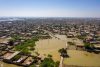
    Photo credit: Aerial view of a flooded urban residential area of Dera Allah yar city in Jaffarabad District, Baluchistan Province, Pakistan. Credit: Gavi/2022/Asad Zaidi

  • Before, during, and after COP28: Climate crisis and health, through the eyes of health workers from Africa, Asia, and Latin America 

    Before, during, and after COP28: Climate crisis and health, through the eyes of health workers from Africa, Asia, and Latin America 

    Samuel Chukwuemeka Obasi, a health professional from Nigeria:

    “Going back home to the community where I grew up as a child, I was shocked to see that most of the rivers we used to swim and fish in have all dried up, and those that are still there have become very shallow so that you can easily walk through a river you required a boat to cross in years past.”

    In July 2023, more than 1200 health workers from 68 countries shared their experiences of changes in climate and health, at a unique event designed to shed light on the realities of climate impacts on the health of the communities they serve.

    Before, during and after COP28, we are sharing health workers’ observations and insights.

    Follow The Geneva Learning Foundation to learn how climate change is affecting health in multiple ways:

    • How extreme weather events can lead to tragic loss of life.
    • How changing weather patterns are leading to crop failures and malnutrition, and forcing people to abandon their homes.
    • How infectious diseases are surging as mosquitoes proliferate and water sources are contaminated.
    • How climate stresses are particularly problematic for those with existing health conditions, like cardiovascular disease and diabetes.
    • How climate impacts are having a devastating effect on mental health as people’s ways of life are destroyed.
    • How climate change is changing the very fabric of society, driving displacement and social hardship that undermines health and wellbeing.
    • How a volatile climate is disrupting the delivery of essential health services and people’s ability to access them.
    • We will finish the series with  inspiring stories of how health workers are already responding to such challenges, working with communities to counter the effects of a changing climate.

    On 1 December 2023, TGLF will be publishing a compendium and analysis of these 1200 contributions – On the frontline of climate change and health: A health worker eyewitness report. Get the report

    This landmark report – a global first – kickstarts our campaign to ensure that health workers in the Global South are recognized as:

    • The people already having to manage the impacts of climate change on health.
    • An essential voice to listen to in order to understand climate impacts on health.
    • A potentially critical group to work with to protect the health of communities in the face of a changing climate.

    Before, during, and after COP28, we are advocating for the recognition and support of health workers as trusted advisers to communities bearing the brunt of climate change effects on health.

    Watch the Special Event: From community to planet: Health professionals on the frontlines of climate change

  • Honoring health professionals as leaders of change

    Honoring health professionals as leaders of change

    We honor everyone who is joining the Special Event “From community to planet: Health professionals on the frontlines of climate change”: health staff from immunization and other areas of health – environmental health and One Health, but also those who fight neglected tropical diseases (NTDs), HIV, and other ailments. We also honor allies, including human rights advocates, those working to decolonize global health, fighting for gender and racial equity as well as economic justice.

    Since 2016, the Geneva Learning Foundation (TGLF) has supported a global peer learning network and platform, built by and for immunization staff from all over the world. This is because we believe that practitioner-led peer education is a powerful philosophy for change in the Digital Age. 

    In 2020, when the COVID-19 pandemic, at least 80 million children under one were placed at risk of vaccine-preventable diseases such as diphtheria, measles and polio as COVID-19 disrupted immunization service as worldwide. Over 6,000 immunization staff om TGLF’s immunization network worked together to build the COVID-19 Peer Hub, collaborating on early-learning recovery plans and then preparing strategies to engage communities ahead of the introduction of the COVID-19 vaccines.

    In March 2022, this network and platform helped launch the Movement for Immunization Agenda 2030 (IA2030), transforming the world’s strategy into local action. IA2030 Movement Leaders are accelerating progress by learning from each other, sharing successes, lessons learned, and challenges, forging together new ways of thinking, learning, and doing to meet the complex challenges ahead. Learn more about the MovementWhat is the Movement for Immunization Agenda 2030 (IA2030)?

    We honor these IA2030 Leaders, primarily government workers from districts and facilities, who were the first to respond to the Call to Action of the Special Event “From community to planet: Health professionals on the frontlines of climate change”.

    What does immunization have to do with climate change? Read this blog post.

  • Learning from Frontline Health Workers in the Climate Change Era

    Learning from Frontline Health Workers in the Climate Change Era

    By Julie Jacobson, Alan Brooks, Charlotte Mbuh, and Reda Sadki

    The escalating threats of climate change cast long shadows over global health, including increases in disease epidemics, profound impacts on mental health, disruptions to health infrastructure, and alterations in the severity and geographical distribution of diseases.

    Mitigating the impact of such shadows on communities will test the resilience of health infrastructure in low- and middle-income countries (LMICs) and especially challenge frontline health workers. The need for effective and cost-efficient public health interventions, such as immunization, will evolve and grow.

    Health workers, approximately 70% of which are women, that provide immunization and other health services will be trusted local resources to the communities they serve, further amplifying their centrality in resilient health systems.

    Listening to and building upon the experiences and insights of frontline health workers as they live with and increasingly work to address the manifestations of climate change on health is pivotal to the collective, global response today and in the years to come.

    We imagine a future of health workers connected to each other, learning directly from the successes and challenges of others by choosing to engage in digital, peer-supported, peer-learning networks regardless of the remoteness or location of their communities. Success will lie in a nimbleness and ability to quickly see new emerging patterns and respond to evolving needs of individuals and communities.

    Such a future shines a light on the importance of new ways of thinking about global health, leadership, who should have a “voice”, starting from a position of equity not hierarchy, and the value that peers ascribe to each other. The hyperlocal impact of climate change on health cannot be mitigated only through global pronouncements and national policies. It requires local knowledge and understanding.

    Recognizing this unique position of health workers, Bridges to Development and The Geneva Learning Foundation, two Swiss non-profits, are supporting this first-ever, large peer-learning event for frontline health workers to share their experiences and insights on climate change and health.

    More than 1,100 health workers have already shared their observations of changes in climate and health affecting the communities they serve in over 60 countries. They will be sharing their stories and insights at the Special Event: From community to planet: Health professionals on the frontlines of climate change, but you can already read short summaries from Guatemala; India and Mongolia; Bénin, Gambia, and Kenya.

    Starting from a Call to Action shared through the Movement for Immunization Agenda (IA2030), the call has “gone viral” through local communities and districts: over 4,500 people – most of them government workers involved in primary health care services in LMICs – registered to participate and contribute.

    Almost every health worker responding says that they are very worried about climate change, and that, for them, it is already a grave threat to the health of the communities they serve.

    Taken together, their observations, while imperfect, paint a daunting picture. This picture, consistent with global statistics and other data, helps to bring to life global pronouncements of the dire implications of climate change for health in LMICs.

    Amid this immense and dire challenge lies an opportunity to shift from a rigid, academically-dominated approach to a decentralized, democratized recognition and learning about the health impacts of climate change. This shift underscores the importance of amplifying insights from those who are bearing the brunt of the consequences of climate change, and recognizing the special role of health service workers as bridges between their communities and those working elsewhere to address similar challenges.

    This perspective requires those of us working at the global level to critically evaluate and challenge our biases and assumptions. The notion that only climate or health specialists can offer meaningful insights or credible solutions should be questioned. The understanding of climate change’s impact on epidemiology of disease, mental health and other manifestations – and the strategies employed to mitigate them – can be substantially enriched and sharpened by welcoming the voices of those on the frontlines. By doing so, we can foster a more comprehensive, inclusive, equitable and effective response to the challenges posed by climate change.

    The thousands of members of the Movement for the Immunization Agenda 2030 (IA2030) and others who have initiated this global dialogue around climate and health may be forging a new path, showing the feasibility and value of the global health community listening to and supporting the potential of frontline health workers to shine the brightest of lights into the shadow cast worldwide by climate change.

    This editorial is a contribution to the Special Event: From community to planet: Health professionals on the frontlines of climate change.

    About the authors

    Julie Jacobson and Alan Brooks are co-founders and managing partners of Bridges to Development. Jacobson was the president of the American Society for Tropical Medicine and Hygiene (ASTMH) in 2020-2021. Bridges to Development, a nonprofit founded in 2018 based in Europe and the US, strives to build on the world’s significant progress to date towards a stronger and more resilient future.

    Reda Sadki and Charlotte Mbuh lead the Geneva Learning Foundation (TGLF). The Geneva Learning Foundation (TGLF) is a non-profit implementing its vision to catalyze transformation through large scale peer and mentoring networks led by frontline actors facing critical threats to our societies. Learn more: https://doi.org/10.5281/zenodo.7316466.

    Illustration: The Geneva Learning Foundation Collection © 2023. All rights reserved.

  • What does immunization have to do with climate change?

    What does immunization have to do with climate change?

    With climate-driven shifts in disease patterns and emerging health threats, the need for a robust immunization infrastructure is more obvious than ever. As the demand for both existing and novel vaccines rises in response to an expanding disease burden and new health threats, immunization staff will inevitably play a key role.

    Immunization staff, trusted health advisors to communities, already stand as sometimes-overburdened but always critical actors in resilient health systems.

    These professionals, entrusted with administering vaccines, contribute to preventing disease outbreaks and maintaining population health. Furthermore, their direct engagement with local communities, their intimate understanding of community health concerns, and their role as trusted advisors position them to recognize and respond to emerging health needs.

    The role of immunization and other primary health care (PHC) staff as health educators becomes increasingly pertinent in a changing climate. By leveraging their experience in working with communities to understand and accept health interventions, immunization staff can help those they serve to make sense of the complex relationships between climate and health – and develop appropriate responses.

    Through digital networks, we see health professionals connected to each other, learning from each other’s successes, lessons learned, and challenges. We imagine that these networks, if properly nurtured and sustained, will become increasingly important as health workers face the interconnected consequences of climate change on health within the local communities where they work for health. This also require new ways of thinking and new leadership, in addition to a new kind of digital health infrastructure to support turning learning into action.

    As we step into a world facing escalating health threats from a changing climate, the crucial role of immunization staff in protecting communities will become more pronounced.

    Existing approaches – even the ones that so impressively moved the needle of vaccination coverage and health in the past – may now need to be reconsidered and adapted to face new challenges and new threats that we know are coming.

    By supporting the will and commitment of immunization staff who are concerned about the consequences of climate on health, and then expanding to include other health professionals, we may find that immunization can serve as a pathfinder to strengthen health systems and promote health equity. We may even find practical, meaningful ways for frontline health professionals and communities to forge together a new leadership for global health.

    Learn more about the Geneva Learning Foundation’s special event: From community to planet: Health professionals on the frontlines of climate change.

  • Listen to the fifth TGLF Dialogue on learning, leadership, and impact

    Welcome to this fifth episode of the Geneva Learning Foundation’s Dialogue for Learning, Leadership, and Impact, recorded on 25 July 2021. First of all, with my Co-Convenor Karen E. Watkins, I want to thank the Contributors who have brought this Dialogue to life. There are many venues where leadership and learning are discussed. I do not know of another one quite like this one, focused on practitioners from everywhere working on everything, fusing theory and research with practice, and dedicated to exploration with no rigid institutional or disciplinary boundaries.

    Bill Wiggenhorn, the legendary founder of Motorola University, is with us tonight for the first time. The other Key Contributors for this episode are: Katiuscia Fara, Bill Gardner, and Esther Wojcicki. Charlotte Mbuh, Emmanuel Musa, and Min Zha shared their leadership journeys. Other Contributors included: Esther Dheve Djissa, Joseph Ngugi, Joyce Muriithi, Morufu Olalekan Raimi, Muhammad Umar Sadkwa, and Ritha Willilo.

    Together, we explored the following issues through the twin lenses of learning and leadership:

    1. Climate change specialist Katiuscia Fara contributed the following question for discussion: How to ensure equity when looking at digital trainings given that not everyone, and especially those most vulnerable, might have access to it. What are some of the solutions that we can look at in delivering at the last mile?
    2. For the first time, we called on Contributors to fill the “Empty Chair”. This was suggested by Nancy Dixon: choose a person in the room and ask them about their insights on leadership – and share their learning journey. Charlotte MbuhMin Zha, and Emmanuel Musa are the first to fill the chair.
    3. Return to shared physical space? With two corporate learning heavyweights in the room, we discussed what Chief Learning Officers (CLOs) should be advising Chief Executive Officers (CEOs) to navigate the seismic shifts in the world of work wrought by the digital transformation and compounded by the COVID-19 pandemic.
  • Dinosaur

    Dinosaur

    “You’ll become a dinosaur if you don’t learn.”

    People in the organization recognize the need for change, see its value, see their own roles in the process, are willing to adopt new approaches, and possess the competence to move forward with change: At the individual level, we strive to consider each task, however mundane, as an opportunity to learn. Continual learning requires cooperation and collaboration with both internal (dialogue and inquiry) and external (connect to external systems) interlocutors. It is not “not knowing” that is the problem. It is often the lack of doing – a form of knowing. Meaningful connections are made explicitly based on need, rather than prescription, often to solve the problems at hand. Feedback is the key element in how we continually learn. We use feedback to adjust, acclimate, and adapt. We strive to leverage the tension between the learning we do to deliver results and the learning we do to explore and innovate. We acknowledge that this is difficult, but recognize that it is indispensable in order to keep up with the pace of change and to improve our preparedness for the unknown.

    Photo: Triceratops skeleton on display in the Galeries d’Anatomie comparée et de Paléontologie at the Jardin des plantes in Paris, France (personal collection).

  • Nothing that we do can be taught

    Nothing that we do can be taught

    Many people in the organization recognize the need for change, see its value, see their own roles in the process, are willing to adopt new approaches, and possess the competence to move forward with change. “Nothing that we do can be taught”, they say, “so the challenge and the learning need is almost constant”. At the individual level, we strive to consider each task, however mundane, as an opportunity to learn. Continual learning requires cooperation and collaboration with both internal (dialogue and inquiry) and external (connect to external systems) interlocutors.

    It is not “not knowing” that is the problem. It is often the lack of doing – a form of knowing. Meaningful connections are made explicitly based on need, rather than prescription, often to solve the problems at hand. Feedback is the key element in how we continually learn. We use feedback to adjust, acclimate, and adapt.

    We strive to leverage the tension between the learning we do to deliver results (execution) and the learning we do to explore (innovation). We acknowledge that this is difficult, but recognize that it is indispensable in order to keep up with the pace of change and to improve our preparedness for the unknown.

    Photo: Continuous Movement (Matt Otto/flickr.com)