Tag: The Geneva Learning Foundation

  • What is the pedagogy of Teach to Reach?

    What is the pedagogy of Teach to Reach?

    In a rural health center in Kenya, a community health worker develops an innovative approach to reaching families who have been hesitant about vaccination.

    Meanwhile, in a Brazilian city, a nurse has gotten everyone involved – including families and communities – onboard to integrate information about HPV vaccination into cervical cancer screening.

    These valuable insights might once have remained isolated, their potential impact limited to their immediate contexts.

    But through Teach to Reach – a peer learning platform, network, and community hosted by The Geneva Learning Foundation – these experiences become part of a larger tapestry of knowledge that transforms how health workers learn and adapt their practices worldwide.

    Since January 2021, the event series has grown to connect over 21,000 health professionals from more than 70 countries, reaching its tenth edition with 21,398 participants in June 2024.

    Scale matters, but this level of engagement begs the question: how and why does it work?

    The challenge in global health is not just about what people need to learn – it is about reimagining how learning happens and gets applied in complex, rapidly-changing environments to improve performance, improve health outcomes, and prepare the next generation of leaders.

    Traditional approaches to professional development, built around expert-led training and top-down knowledge transfer, often fail to create lasting change.

    They tend to ignore the rich knowledge that exists in practice – what we know when we are there every day, side-by-side with the community we serve – and the complex ways that learning actually occurs in professional networks and communities.

    Teach to Reach is one component in The Geneva Learning Foundation’s emergent model for learning and change.

    This article describes the pedagogical patterns that Teach to Reach brings to life.

    A new vision for digital-first, networked professional learning

    Teach to Reach represents a shift in how we think about professional learning in global health.

    Its pedagogical pattern draws from three complementary theoretical frameworks that together create a more complete understanding of how professionals learn and how that learning translates into improved practice.

    At its foundation lies Bill Cope’s and Mary Kalantzis’s New Learning framework, which recognizes that knowledge creation in the digital age requires new approaches to learning and assessment.

    Teach to Reach then integrates insights from Watkins and Marsick’s research on the strong relationship between learning culture (a measure of the capacity for change) and performance and George Siemens’s learning theory of connectivism to create something syncretic: a learning approach that simultaneously builds individual capability, organizational capacity, and network strength.

    Active knowledge making

    The prevailing model of professional development often treats learners as empty vessels to be filled with expert knowledge.

    Drawing from constructivist learning theory, it positions health workers as knowledge creators rather than passive recipients.

    When a community health worker in Kenya shares how they’ve adapted vaccination strategies for remote communities, they are not just describing their work – they’re creating valuable knowledge that others can learn from and adapt.

    The role of experts is even more significant in this model: experts become “Guides on the side”, listening to challenges and their contexts to identify what expert knowledge is most likely to be useful to a specific challenge and context.

    (This is the oft-neglected “downstream” to the “upstream” work that goes into the creation of global guidelines.)

    This principle manifests in how questions are framed.

    Instead of asking “What should you do when faced with vaccine hesitancy?” Teach to Reach asks “Tell us about a time when you successfully addressed vaccine hesitancy in your community.” This subtle shift transforms the learning dynamic from theoretical to practical, from passive to active.

    Collaborative intelligence

    The concept of collaborative intelligence, inspired by social learning theory, recognizes that knowledge in complex fields like global health is distributed across many individuals and contexts.

    No single expert or institution holds all the answers.

    By creating structures for health workers to share and learn from each other’s experiences, Teach to Reach taps into what cognitive scientists call “distributed cognition” – the idea that knowledge and understanding emerge from networks of people rather than individual minds.

    This plays out practically in how experiences are shared and synthesized.

    When a nurse in Brazil shares their approach to integrating COVID-19 vaccination with routine immunization, their experience becomes part of a larger tapestry of knowledge that includes perspectives from diverse contexts and roles.

    Metacognitive reflection

    Metacognition – thinking about thinking – is crucial for professional development, yet it is often overlooked in traditional training.

    Teach to Reach deliberately builds in opportunities for metacognitive reflection through its question design and response framework.

    When participants share experiences, they are prompted not just to describe what happened, but to analyze why they made certain decisions and what they learned from the experience.
    This reflective practice helps health workers develop deeper understanding of their own practice and decision-making processes.

    It transforms individual experiences into learning opportunities that benefit both the sharer and the wider community.

    Recursive feedback

    Learning is not linear – it is a cyclical process of sharing, reflecting, applying, and refining.

    Teach to Reach’s model of recursive feedback, inspired by systems thinking, creates multiple opportunities for participants to engage with and build upon each other’s experiences.

    This goes beyond communities of practice, because the community component is part of a broader, dynamic and ongoing process.

    Executing a complex pedagogical pattern

    The pedagogical pattern of Teach to Reach come to life through a carefully designed implementation framework over a six-month period, before, during, and after the live event.

    This extended timeframe is not arbitrary – it is based on research showing that sustained engagement over time leads to deeper learning and more lasting change than one-off learning events.
    The core of the learning process is the Teach to Reach Questions – weekly prompts that guide participants through progressively more complex reflection and sharing.

    These questions are crafted to elicit not just information, but insight and understanding.

    They follow a deliberate sequence that moves from description to analysis to reflection to application, mirroring the natural cycle of experiential learning.

    Communication as pedagogy

    In Teach to Reach, communication is not just about delivering information – it is an integral part of the learning process.

    The model uses what scholars call “pedagogical communication” – communication designed specifically to facilitate learning.

    This manifests in several ways:

    • Personal and warm tone that creates psychological safety for sharing
    • Clear calls to action that guide participants through the learning process
    • Multiple touchpoints that reinforce learning and maintain engagement
    • Progressive engagement that builds complexity gradually

    Learning culture and performance

    Watkins and Marsick’s work helps us understand why Teach to Reach’s approach is so effective.

    Learning culture – the set of organizational values, practices, and systems that support continuous learning – is crucial for translating individual insights into improved organizational performance.

    Teach to Reach deliberately builds elements of strong learning cultures into its design.

    Furthermore, the Geneva Learning Foundation’s research found that continuous learning is the weakest dimension of learning culture in immunization – and probably global health.

    Hence, Teach to Reach itself provides a mechanism to strengthen specifically this dimension.

    Take the simple act of asking questions about real work experiences.

    This is not just about gathering information – it’s about creating what Watkins and Marsick call “inquiry and dialogue,” a fundamental dimension of learning organizations.

    When health workers share their experiences, they are not just describing what happened.

    They are engaging in a form of collaborative inquiry that helps everyone involved develop deeper understanding.

    Networks of knowledge

    George Siemens’s connectivism theory provides another crucial lens for understanding Teach to Reach’s effectiveness.

    In today’s world, knowledge is not just what is in our heads – it is distributed across networks of people and resources.

    Teach to Reach creates and strengthens these networks through its unique approach to asynchronous peer learning.

    The process begins with carefully designed questions that prompt health workers to share specific experiences.

    But it does not stop there.

    These experiences become nodes in a growing network of knowledge, connected through themes, challenges, and solutions.

    When a health worker in India reads about how a colleague in Nigeria addressed a particular challenge, they are not just learning about one solution – they are becoming part of a network that makes everyone’s practice stronger.

    From theory to practice

    What makes Teach to Reach particularly powerful is how it fuses multiple theories of learning into a practical model that works in real-world conditions.

    The model recognizes that learning must be accessible to health workers dealing with limited connectivity, heavy workloads, and diverse linguistic and cultural contexts.

    New Learning’s emphasis on multimodal meaning-making supports the use of multiple communication channels ensuring accessibility.

    Learning culture principles guide the creation of supportive structures that make continuous learning possible even in challenging conditions.

    Connectivist insights inform how knowledge is shared and distributed across the network.

    Creating sustainable change

    The real test of any learning approach is whether it creates sustainable change in practice.

    By simultaneously building individual capability, organizational capacity, and network strength, it creates the conditions for continuous improvement and adaptation.

    Health workers do not just learn new approaches – they develop the capacity to learn continuously from their own experience and the experiences of others.

    Organizations do not just gain new knowledge – they develop stronger learning cultures that support ongoing innovation.

    And the broader health system gains not just a collection of good practices, but a living network of practitioners who continue to learn and adapt together.

    Looking forward

    As global health challenges have become more complex, the need for more effective approaches to professional learning becomes more urgent.

    Teach to Reach’s pedagogical model, grounded in complementary theoretical frameworks and proven in practice, offers valuable insights for anyone interested in creating impactful professional learning experiences.

    The model suggests that effective professional learning in complex fields like global health requires more than just good content or engaging delivery.

    It requires careful attention to how learning cultures are built, how networks are strengthened, and how individual learning connects to organizational and system performance.

    Most importantly, it reminds us that the most powerful learning often happens not through traditional training but through thoughtfully structured opportunities for professionals to learn from and with each other.

    In this way, Teach to Reach is a demonstration of what becomes possible when we reimagine how professional learning happens in service of better health outcomes worldwide.

    Image: The Geneva Learning Foundation Collection © 2024

  • The Nigeria Immunization Collaborative: Early learning from a novel sector-wide approach model for zero-dose challenges

    The Nigeria Immunization Collaborative: Early learning from a novel sector-wide approach model for zero-dose challenges

    Less than three weeks after its launch, the Nigeria Immunization Collaborative – a partnership between the Geneva Learning Foundation, the National Primary Health Care Development Agency (NPHCDA), and UNICEF – has already connected over 4,000 participants from all 36 states and more than 300 Local Government Areas (LGAs).

    The Collaborative is part of the Movement for Immunization Agenda 2030 (IA2030).

    In the Collaborative’s first peer learning exercise that concluded on 6 August 2024, over 600 participants conducted root cause analyses of immunization barriers in their communities.

    Participants engaged in a two-week intensive process of analyzing immunization challenges, conducting root cause analyses, and developing actionable plans to address these issues.

    They did this without having to stop their daily work or travel, a key characteristic of The Geneva Learning Foundation’s model to support work-based learning.

    Watch the General Assembly of the Nigeria Immunization Collaborative on 6 August 2024

    What are health workers saying about the Collaborative?

    For Mariam Mustapha, a participant from Kano State, the Collaborative is “multiple individuals that perform a task”, united around a shared purpose.

    She highlighted the importance of engaging with community members, noting, “These people from the community, most of them, they don’t have enough knowledge or they are receiving misinformation about immunization and vaccines.”

    The peer learning exercise employed a structured approach, asking participants to explain their immunization challenge, conduct a “5 Whys” analysis to identify root causes, and develop actionable plans within their scope of work.

    How does the Collaborative help health workers?

    This method proved enlightening for many participants.

    John Emmanuel, a community health worker from Bauchi State, shared his experience: “I just discovered that over the years, I have been superficial in my approach. I’ve been one sided. I’ve been actually peripheral in my approach. So during the root cause analysis, I was able to identify the broader perspective of identifying the challenge and then fixing it as it affects my job here in the community.”

    The Collaborative also fostered connections between health workers across different regions of Nigeria.

    Mohammed Nasir Umar, a JSI HPV program associate in Zamfara State, noted the value of this cross-pollination of ideas: “The root cause analysis really widened my horizon on how I think around the challenges. The ‘5 Whys’ techniques approach was really, really helpful.”

    Participants identified a range of immunization challenges, including vaccine hesitancy, lack of information and awareness, sociocultural and religious factors, reaching zero-dose children, incomplete immunization, healthcare worker issues, logistical challenges, political interference, poor documentation, and community trust issues.

    But then each one started asking ‘why’, stopping only once they found a root cause that they are in a position to do something about.

    Esther Sharma, working with NPHCDA in a local government area, identified a critical issue in her facility: “The reason why people turn out low for immunization is because there are no health workers in the facilities to attend to them when they get here.”

    Her solution involves ensuring consistent staffing during immunization days, which should encourage more community members to seek vaccination services.

    How are new stakeholders participating in the Collaborative?

    The Collaborative also welcomed participation from organizations not traditionally involved in immunization services.

    Angela Emmanuel, a nurse and founder of the Emmanuel Cancer Foundation in Lagos, found value in the exercise for her work on HPV vaccination and cancer prevention.

    She emphasized the need for a more educational approach: “Our motive should be education. Our motive should be the awareness, not just asking them to take this vaccine.”

    Chijioke Kaduru, a public health physician who served as a Guide for the Collaborative, reflected: “While some of these challenges are similar in many settings, the local context and the nuances that shape these challenges clearly make them a good opportunity to engage, to interact, to understand them better, and to start to also see the ideas that colleagues have about how to solve those problems.”

    By connecting frontline health workers, fostering critical thinking, and encouraging the development of locally-tailored solutions, the Nigeria Immunization Collaborative represents a potentially scalable model for strengthening health systems and improving immunization coverage.

    As the exercise concludes, participants are poised to implement their action plans in their respective communities.

    How are government workers participating in the Collaborative?

    A key focus of the final session was the presentation of root cause analyses by government workers from the Federal and State Primary Health Care Development Agencies.

    These presentations provided valuable insights into the challenges faced at various levels of the health system and the innovative solutions being developed.

    Maimuna Tata, a deputy in-charge at a health facility in Bunkura local government area of Kano State, presented her analysis of why routine immunization sessions were not being conducted at her facility.

    Through her “5 Whys” analysis, she uncovered a systemic issue: “The health facility is newly built and was commissioned after the 2024 micro plan exercise and needs to undergo several processes for provision of routine immunization.”

    Tata’s proposed solution demonstrated the kind of innovative thinking the Collaborative aimed to foster: “Instead of them coming for outreach session in the settlement, I think the vaccine should be channeled to the health facility so that the health facility can conduct the sessions. And at the end of the day, we will now be submitting our reports to the health facility, that is the model health facility, pending the time the health facility will be recorded or will be updated in the server.”

    Esther Sharma, working with NPHCDA in a local government area, identified a critical staffing issue: “The reason why people turn out low for immunization is because there are no health workers in the facilities to attend to them when they get here. I am the routine immuunization focal person where I currently work and when I went there newly, I asked a lot of people, why don’t they come to the hospital for immunization? And they said when they come, they don’t find anybody to attend to them.”

    Her solution involves ensuring consistent staffing during immunization days, which she reported has already encouraged more community members to seek vaccination services.

    Image: The Geneva Learning Foundation Collection © 2024

  • Experience-sharing sessions in the Movement for Immunization Agenda 2030: A novel approach to localize global health collaboration

    Experience-sharing sessions in the Movement for Immunization Agenda 2030: A novel approach to localize global health collaboration

    As immunization programs worldwide struggle to recover from pandemic disruptions, the Movement for Immunization Agenda 2030 (IA2030) offers a novel, practitioner-led approach to accelerate progress towards global vaccination goals.

    From March to June 2022, the Geneva Learning Foundation (TGLF) conducted the first Full Learning Cycle (FLC) of the Movement for IA2030, engaging 6,185 health professionals from low- and middle-income countries.

    A cornerstone of this programme was a series of 44 experience-sharing sessions held between 7 March and 13 June 2022. These sessions brought together between 20 and 400 practitioners per session to discuss and solve real-world immunization challenges.

    IA2030 case study 16, by Charlotte Mbuh and François Gasse, offers valuable insights from these experience-sharing session:

    1. what we learned from the experiences themselves and how it can help practitioners; and
    2. what we learned about the significance and potential of the peer learning process itself.

    Download the full case study: IA2030 Case study 16. Continuum from knowledge to performance. The Geneva Learning Foundation.

    For every challenge shared during the experience sharing sessions, there was always at least one member who had encountered or was encountering the same challenge and had carried out measures to resolve it.

    These sessions provided a space to share practical stories that are making a difference – and supported participants in considering their relevance to their own situations.

    Experience sharing also helped build confidence and motivation.

    Members were able to identify with experiences shared, realizing they were not alone in facing similar challenges.

    The sessions covered a wide range of critical immunization topics.

    For instance, a participant from Nigeria discussed strategies for reaching zero-dose children in Borno state.

    Facing the challenge of reaching approximately 600,000 unvaccinated children, the presenter received practical suggestions from peers, including developing a zero-dose reduction operational plan, leveraging new vaccine introductions, and partnering with the private sector for evening vaccination services.

    In another session, a subnational Ministry of Health staff member from Côte d’Ivoire presented challenges related to cross-border immunization campaigns.

    Peers shared experiences of organizing cross-border meetings to identify unvaccinated children, synchronize efforts, and involve community representatives in the process.

    Such context-specific, experience-based advice exemplifies the unique value of peer learning in addressing complex health system challenges.

    The case study of 44 sessions highlights how these sessions fostered multiple types of learning simultaneously.

    Participants reported learning from each other’s experiences, experiencing the power of solving problems together across distances, feeling a growing sense of belonging to a community, and connecting across country borders and health system levels.

    A district-level Ministry of Health staff member from Ghana encapsulated the impact: “I have linked up with expert vaccinators worldwide through experience sharing and twinning. I have become more competent and knowledgeable in the area of immunization, and work confidently.”

    This sentiment was echoed by many participants who found value not only in acquiring new knowledge but also in expanding their professional networks and gaining confidence in their problem-solving abilities.

    The case study also reveals the adaptability of the approach in responding to unique contexts.

    This resilience underscores the potential of digital platforms to democratize access to expertise and foster global collaboration.

    However, the study also identifies areas for improvement.

    • Participants expressed a desire for more follow-up support and opportunities to continue their peer learning groups beyond the initial sessions.
    • Additionally, the need for better integration of community engagement strategies was identified as a key area for future development.

    To contextualize these findings, we can turn to a 2022 study by Watkins et al., which evaluated a prototype of these experience-sharing sessions known as Immunization Training Challenge Hackathons (ITCH), conducted in 2020.

    The ITCH methodology, developed by The Geneva Learning Foundation (TGLF), informed the design of the 2022 IA2030 Movement sessions.

    Watkins et al. found that the ITCH approach fostered four simultaneous types of learning: peer, remote, social, and networked.

    1. Peer Learning: This involves participants learning directly from each other’s experiences and knowledge. In the context of immunization, imagine a scenario where a vaccination program manager from rural India shares their successful strategy for improving vaccine cold chain management with a colleague facing similar challenges in sub-Saharan Africa. This direct exchange of practical, context-specific knowledge can complement more theoretical training, as it is based on real-world application.
    2. Remote Learning: This refers to the ability to learn and solve problems collaboratively across geographical distances. For an immunization specialist, this might seem counterintuitive, as many believe that hands-on, in-person training is essential. However, the ITCH sessions demonstrated that meaningful learning can occur remotely. For example, a team in Bangladesh could describe their approach to overcoming vaccine hesitancy, and a team in Nigeria could immediately adapt and apply those strategies to their local context, all without the need for costly and time-consuming travel.
    3. Social Learning: This concept emphasizes the importance of learning within a network. In the immunization field, professionals often work in isolation, especially at sub-national levels. The ITCH sessions created a sense of belonging to a global network, community, and platform of immunization practitioners. This social aspect can boost motivation, reduce feelings of isolation, and foster a collective approach to problem-solving that transcends individual or even national boundaries.
    4. Networked Learning: This type of learning emerges from connections made across different levels of health systems and across country borders. For an epidemiologist, this might be analogous to how disease surveillance networks function across borders. In the ITCH context, it means that a district-level immunization officer could learn from and share ideas with national-level policymakers from other countries, fostering a more holistic understanding of immunization challenges and solutions.

    These four types of learning operate simultaneously during ITCH sessions, creating a synergistic effect. 

    For instance, a participant might learn a new cold chain management technique (peer learning) from a colleague in another country (remote learning), feel supported by the global community in implementing this new technique (social learning), and then share their adaptation of this technique with others across various levels of the health system (networked learning).

    From an epidemiological perspective, this approach to learning could be compared to how we understand disease transmission and intervention effectiveness.

    Just as multiple factors contribute to disease spread and control, these multiple learning types contribute to knowledge dissemination and capacity building in the immunization field.

    The value of this approach lies in its potential to rapidly disseminate practical, context-specific knowledge and solutions across a global network of immunization professionals.

    This can lead to faster adoption of best practices, more innovative problem-solving, and ultimately, improvements in immunization program performance that could contribute to better disease control outcomes.

    While this approach may seem unconventional compared to traditional training methods in the immunization field, the evidence presented by Watkins et al. suggests that it can be a powerful complement to existing capacity-building efforts, particularly in resource-constrained settings where access to formal training opportunities may be limited.

    This multifaceted approach allowed participants to not only acquire new knowledge but also to expand their professional networks and gain confidence in their problem-solving abilities—findings that align closely with the outcomes observed in the 2022 IA2030 Movement sessions.

    The Watkins study emphasized the importance of building confidence and motivation through peer learning experiences, a theme strongly echoed in the Mbuh case study.

    Furthermore, Watkins et al. highlighted the potential of this approach to create a “space of possibility” for innovation and problem-solving, which is evident in the diverse and creative solutions shared during the 2022 sessions.

    Both studies underscore the significance of peer-led, digital learning experiences in accelerating progress towards global health goals.

    By fostering peer learning and digital collaboration, these approaches empower health workers to turn global strategies into effective local action.

    References

    Mbuh, C., Gasse, F., Jones, I., Sadki, R., Brooks, A., Zha, M., Steed, I., Sequeira, J., Churchill, S., Kovanovic, V., 2022. IA2030 Case study 16. Continuum from knowledge to performance. The Geneva Learning Foundation. https://doi.org/10.5281/zenodo.7014392

    Watkins, K.E., Sandmann, L.R., Dailey, C.A., Li, B., Yang, S.-E., Galen, R.S., Sadki, R., 2022. Accelerating problem-solving capacities of sub-national public health professionals: an evaluation of a digital immunization training intervention. BMC Health Serv Res 22, 736. https://doi.org/10.1186/s12913-022-08138-4

    Image: The Geneva Learning Foundation Collection © 2024

  • Integrating community-based monitoring (CBM) into a comprehensive learning-to-action model

    Integrating community-based monitoring (CBM) into a comprehensive learning-to-action model

    According to Gavi, “community-based monitoring” or “CBM” is a process where service users collect data on various aspects of health service provision to monitor program implementation, identify gaps, and collaboratively develop solutions with providers.

    • Community-based monitoring (CBM) has emerged as a promising strategy for enhancing immunization program performance and equity.
    • CBM interventions have been implemented across different settings and populations, including remote rural areas, urban poor, fragile/conflict-affected regions, and marginalized groups such as indigenous populations and people living with HIV.

    By engaging service users, CBM aims to foster greater accountability and responsiveness to local needs.

    • However, realizing CBM’s potential in practice has proven challenging.
    • Without a coherent approach, CBM risks becoming just another disconnected tool.

    The Geneva Learning Foundation’s innovative learning-to-action model offers a compelling framework within which CBM could be applied to immunization challenges.

    The model’s comprehensive design creates an enabling environment for effectively integrating diverse monitoring data sources – and this could include community perspectives.

    Health workers as trusted community advisers… and members of the community

    A distinctive feature of TGLF’s model is its emphasis on health workers’ role as trusted advisors to the communities they serve.

    The model recognizes that local health staff are not merely service providers, but often deeply embedded community members with intimate knowledge of local realities.

    For example, in TGLF’s immunization learning initiatives, participating health workers frequently share insights into the social, cultural, and economic factors shaping vaccine hesitancy and uptake in their communities.

    • They discuss the everyday barriers families face, from misinformation to transportation challenges, and strategize context-specific outreach approaches.
    • This grounding in community realities positions health workers as vital bridges for facilitating community engagement in monitoring.

    When local staff are empowered as active agents of learning and change, they can more effectively champion community participation, translating insights into tangible improvements.

    Could CBM fit into a more comprehensive system from local monitoring to action?

    TGLF’s model supports health workers in this bridging role by providing a comprehensive framework for local monitoring and action.

    Through peer learning networks and problem-solving cycles, the model equips health staff to collect, interpret, and act on unconventional monitoring data from their communities.

    For instance, in TGLF’s 2022 “Full Learning Cycle” initiative, 6,185 local health workers from 99 countries examined key immunization indicators to inform their analyses of root causes and then map out corrective actions.

    • Participants began monitoring their own local health indicators, such as vaccination coverage rates.
    • For many, this was the first time they had been prompted to use this data for problem-solving a real-world challenge they face, rather than just reporting up the next level of the health system.

    They discussed many factors critical for tailoring immunization strategies.

    This transition – from being passive data collectors to active data users – has proven transformative.

    It positions health workers not as cogs in a reporting machine, but as empowered analysts and strategists.

    By discussing real metrics with peers, participants make data actionable and contextually meaningful.

    Guided by expert-designed rubrics and facilitated discussions, health workers translated this localized monitoring data into practical improvement plans.

    For an epidemiologist, this represents a significant shift from traditional top-down monitoring paradigms.

    By valuing and actioning local knowledge, TGLF’s model demonstrates how community insights can be systematically integrated into immunization decision-making.

    However, until now, its actors have been health workers, many of them members of the communities they serve, not service users themselves.

    CBM’s focus on monitoring is important – but leaves out key issues around community participation, decision-making autonomy, and strategy.

    How could we integrate CBM into a transformative approach?

    TGLF’s experiences suggest that CBM could be embedded within comprehensive learning-to-action systems focused on locally-led change.

    TGLF’s model is more than a monitoring intervention.

    • It combines structured learning, rapid solution sharing, root cause analysis, action planning, and peer accountability to drive measurable improvements.
    • These mutually reinforcing components create an enabling environment for health workers to translate insights into impact.

    In this framing, community monitoring becomes one critical input within a continuous, collaborative process of problem-solving and adaptation.

    Several features of TGLF’s model illustrate how this integration could work in practice:

    1. Peer accountability structures, where health workers regularly convene to review progress, share challenges, and iterate solutions, create natural entry points for discussing and actioning community feedback.
    2. Rapid dissemination channels, like TGLF’s “Ideas Engine” for spreading promising practices across contexts, enable local innovations in response to community-identified gaps to be efficiently scaled.
    3. Emphasis on root cause analysis and systemic thinking equips health workers to interpret community insights within a broader ecosystem lens, connecting localized issues to upstream determinants.
    4. Cultivation of connected leadership empowers local actors to champion community priorities and navigate complex change processes.

    TGLF’s extensive digital network connects health workers across system levels and contexts, enabling them to learn from each other’s experiences with no upper limit to the number of participants.

    By contrast, CBM seems to assume that a community is limited to a physical area, which fails to recognize that problem-solving complex challenges requires expanding the range of inputs used.

    Within a networked approach that connects both community members and health workers across boundaries of geography, health system level, and roles, CBM could become an integral component of a transformative approach to health system improvement – one that recognizes communities and local health workers as capable architects of context-responsive solutions.

    Fundamentally, the TGLF model invites a shift in mindset about whose expertise counts in monitoring and driving system change.

    CBM could provide the ‘connective tissue’ for health workers to revise how they listen and learn with the communities they serve.

    For immunization programs grappling with persistent inequities, this shift from passive compliance to proactive local problem-solving is critical.

    As the COVID-19 crisis has underscored, rapidly evolving public health challenges demand localized action that harnesses the full range of community expertise.

    TGLF’s model offers a tested framework for actualizing this vision at scale.

    By investing in local health workers’ capacity to learn, adapt, and lead change in partnership with the communities they serve, the model illuminates a promising pathway for integrating CBM into immunization monitoring and beyond.

    For epidemiologists and global health practitioners, TGLF’s approach invites a reframing of how we conceptualize and operationalize community engagement in health system monitoring.

    It challenges us to move beyond tokenistic participation towards genuine co-design and co-ownership of monitoring processes with local actors.

    Realizing this vision will require significant shifts in mindsets, power dynamics, and resource flows.

    But as TGLF’s initiatives demonstrate, when we invest in the leadership of those closest to the challenges we seek to solve, transformative possibilities emerge.

    Further rigorous research comparing the impacts of different CBM integration models could help accelerate this paradigm shift, surfacing critical lessons for the immunization field and global health more broadly.

    TGLF’s model not only offers compelling lessons for reimagining monitoring and improvement in immunization programs, it also provides a pathway for integrating CBM into a system that supports actual change.

    CBM practitioners are likely to struggle with how to incorporate it into existing practices.

    By investing in frontline health workers as change agents, and surrounding them with an empowering learning ecosystem, the model offers a path to then bring in community monitoring.

    Without such leadership from health workers, it is unlikely that communities are able to participate.

    The journey to authentic community engagement in health system monitoring is undoubtedly complex.

    But if we are to deliver on the promise of equitable immunization for all, it is a journey we must undertake.

    TGLF’s model lights one promising path forward – one that positions communities and local health workers as the beating heart of a learning health system.

    While Gavi’s evidence brief affirms the promise of CBM for immunization, TGLF’s experience with its own model suggests the full potential of CBM may be realized by embedding it within more comprehensive, digitally-enabled learning systems that activate health workers as agents of change – and do so with both physical and digital communities implementing new forms of peer and community accountability that complement conventional kinds (supervision, administration, donor, etc.).

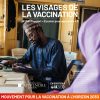
  • Semaine mondiale de la vaccination: Que voyez-vous?

    Semaine mondiale de la vaccination: Que voyez-vous?

    English version | Version française

    Ceci est la préface de la nouvelle publication Les visages de la vaccination. En savoir plusTélécharger la collection

    Chaque jour, des milliers d’agents de santé, de l’Afghanistan au Zimbabwe, se lèvent et se rendent au travail avec un seul objectif en tête : faire en sorte que les vaccins parviennent à ceux qui en ont besoin.

    À l’occasion de la Semaine mondiale de la vaccination du 24 au 30 avril 2023 et du lancement de la campagne « Big Catch Up », la Fondation Apprendre Genève (TGLF) a invité les membres du Mouvement pour la vaccination à l’horizon 2030 (IA2030) à partager des photographies d’eux-mêmes et de leur travail quotidien.

    Plus de 1 000 témoignages visuels ont été partagés.

    Il ne s’agit pas de clichés soigneusement composés et techniquement élaborés par des photographes professionnels, mais plutôt d’une vue authentique sur ce que signifie la vaccination dans la pratique. Les difficultés de transport. Les mères concernées et aimantes. Les curieux. Le dialogue entre les praticiens et les membres de la communauté. Les écoliers brandissant leur carte de vaccination. Les cahiers contenant les données.

    Voici donc notre deuxième galerie annuelle de photographies partagées par les membres du Mouvement. Une fois encore, elle célèbre la diversité de leurs rôles et des défis auxquels ils sont confrontés dans leur vie quotidienne, ainsi que leur engagement en faveur du Programme pour la vaccination à l’horizon 2030 (IA2030), qui vise à ce que chaque enfant, chaque famille, soit protégés contre les maladies évitables par la vaccination.

    Si nous avons réitéré cette opération, c’est parce que nous avons observé que la narration visuelle avait un effet profond sur l’ensemble du Mouvement. Cet effet peut être difficile à quantifier. En soi, il n’améliore certainement pas la couverture vaccinale. Il a tout à voir avec la façon dont les agents de santé se perçoivent eux-mêmes, perçoivent la valeur de leur propre travail. En effet, le fait non seulement de savoir, mais aussi de voir qu’il y a des collègues dans le monde entier qui font le même travail, quel que soit le contexte, est réconfortant et inspirant. Cela peut contribuer à renforcer ou à renouveler la détermination et l’engagement. Cela peut aider à faire la différence – et à la maintenir dans le temps.

    Certains professionnels de la santé travaillent dans des centres de santé offrant des services de vaccination et d’autres formes de soins de santé primaires. D’autres prennent part à des stratégies avancées, allant à la rencontre de la population. Ils peuvent également être basés dans des bureaux de district ou régionaux, où ils assurent la supervision et des conseils pour permettre aux praticiens de mieux faire leur travail.

    Pour ceux qui contribuent aux activités de sensibilisation, ils peuvent être confrontés à de multiples défis. Ils peuvent avoir à surmonter des obstacles géographiques : rivières, inondations, routes en mauvais état, ou simplement de longues distances. Ils peuvent être amenés à s’aventurer dans des zones d’instabilité politique ou de conflit. Ils peuvent être amenés à entrer en contact avec des populations mobiles dont la localisation précise peut être incertaine. Enfin, ils peuvent être amenés à pénétrer dans des zones urbaines informelles en perpétuel changement.

    Une fois arrivés à destination, ils constatent parfois que les personnes qu’ils contactent ne sont pas forcément réceptives à la vaccination. Ils devront alors passer du temps avec les gens pour les aider à comprendre les bénéfices et la sécurité de la vaccination.

    Bien entendu, la vaccination proprement dite n’est pas la seule tâche à accomplir. Les programmes de vaccination s’appuient sur un réseaux de personnes ayant des rôles divers, tels que l’entretien des équipements essentiels de la chaîne du froid, la gestion des données et la collaboration avec les communautés pour obtenir leur soutien en faveur de la vaccination. Les volontaires issus de la communauté constituent un lien vital entre les programmes de vaccination et les communautés locales. Un travail d’équipe efficace est essentiel.

    À la fin d’une longue journée, chaque praticien de la vaccination peut rentrer chez lui en sachant qu’il a contribué à rendre le monde plus sain et qu’il a peut-être sauvé une vie. Ce sont les véritables héros de la vaccination, et nous les saluons. 

    Charlotte Mbuh et Reda Sadki
    La Fondation Apprendre Genève (TGLF)

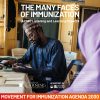
  • World Immunization Week: What do you see?

    World Immunization Week: What do you see?

    English version | Version française

    This is the preface of the new publication The many faces of immunization. Learn more… Download the collection

    Every day, thousands of health workers, from Afghanistan to Zimbabwe, get up and go to work with a single goal in mind ­ to ensure that vaccines reach those who need them.

    To mark World Immunization Week 2023 (24­–30 April 2023) and the launch of the “Big Catch Up” campaign, the Geneva Learning Foundation (TGLF) invited members of the Movement for Immunization Agenda 2030 (IA2030) to share photographs of themselves and their daily work.

    More than 1,000 visual stories were shared.

    These are not the carefully composed and technically accomplished shots of the professional photographer: rather, they capture a raw and authentic view of what immunization means in practice.

    The transport challenges.

    The concerned and loving mothers.

    The curious onlookers.

    The dialogue between practitioners and community members.

    The schoolchildren waving their vaccination cards.

    The reams of paper-based data.

    This is our second annual gallery of photographs shared by members of the Movement. Get the 2022 World Immunization Week photo book It takes people to make #vaccineswork

    Once again, it celebrates their diversity of roles and challenges faced in their daily lives, and their commitment to the IA2030 goal of ensuring that every child, every family, is protected from vaccine-preventable diseases.

    If we did it again, it is because we observed that visual storytelling had a profound effect across the Movement.

    This effect may be hard to quantify.

    On its own, it certainly does not improve vaccination coverage.

    And yet, it has everything to do with how health workers perceive themselves, perceive the value of their own work.

    Not just knowing but seeing that there are colleagues across the world who are doing the same work, whatever the contexts, is heartening and inspiring.

    It can help strengthen or renew resolve and commitment.

    It can help make a difference – and sustain it over time.

    To achieve their goals, they may be working in health facilities offering immunization services and other forms of primary health care.

    Or they may be taking part in outreach or stratégies avancées, delivering vaccines out in the communities where people live.

    Alternatively, they may be based in district or regional offices, providing oversight and offering “supportive supervision” ­ constructive feedback and advice to ensure practitioners can do their jobs better.

    If they are among the many practitioners engaged in outreach activities, they may face multiple challenges.

    They may have to overcome geographical obstacles ­ rivers, flooding, poor roads, or just long distances.

    They may have to venture into areas of political instability or conflict.

    They may have to make contact with mobile populations whose precise location may be uncertain.

    And they may have to enter informal urban settings in a state of permanent flux.

    Then, when they reach their destination, they may find that those they engage are not receptive to vaccination.

    They may have to spend time with people to help them understand the benefits and safety of vaccines.

    Of course, actually vaccinating people is not the only task that needs to be undertaken.

    Vaccination programmes rely on a collective of people with a diverse range of roles, such as maintaining essential cold chain equipment, managing data, and working with communities to build support for vaccination.

    Community-based volunteers provide a vital link between immunization programmes and local communities.

    Effective teamwork is essential.

    At the end of a long day, every vaccination practitioner can return home knowing that they have done their bit to make the world a healthier place, and just might have saved a life.

    Charlotte Mbuh and Reda Sadki
    The Geneva Learning Foundation (TGLF)

    Jones, I., Sadki, R., & Mbuh, C. (2024). The many faces of immunization (IA2030 Listening and Learning Report 5) (1.0). Special Event: World Immunization Week. The Geneva Learning Foundation. https://doi.org/10.5281/zenodo.8166653

  • What did we learn from the Movement for Immunization Agenda 2030 (IA2030) in its first two years?

    What did we learn from the Movement for Immunization Agenda 2030 (IA2030) in its first two years?

    At a World Health Organization conference in Panama, The Geneva Learning Foundation is hosting an Innovations Café today.

    The session’s title is “Connected learning to accelerate local impact at global scale: Year 1 of the Movement for Immunization Agenda 2030 (IA2030)”.

    What is the Movement for Immunization Agenda 2030 (IA2030)?

    Immunization Agenda 2030 (IA2030) is the world’s strategy, adopted by the World Health Assembly in 2020, to achieve the global goals for immunization.

    In March 2022, The Geneva Learning Foundation (TGLF) launched a call to form a movement in support of IA2030.

    By June 2023, over 16,000 health workers were participating.

    More than 80% work in districts and health facilities and over half are government workers.

    70% work in fragile contexts such as armed conflict, remote areas, urban poverty, and other challenges.

    This ground-up commitment has the potential to complement the top-down work of the IA2030 global partners, if this community of practitioners is recognized, empowered, and listened to by global health agencies and donors.

    In today’s session, you will hear first-hand from IA2030 Movement Members.

    How has participation in this Movement helped them to better serve the immunization and primary health care needs of the local communities they serve?

    In Year 1 of this Movement, we demonstrated the feasibility of establishing a global peer learning platform for immunization practitioners, with the creation of a movement of more than 10,000 health workers in support of IA2030 goals. Learn more about Year 1 outcomes.

    In Year 2, as the Movement continued to grow rapidly in over 100 countries, we generated evidence of practitioner demand and public health impact, captured in academic papers and multiple detailed case studies. Request your invitation to the IA2030 Movement’s Knowledge-to-Action Hub to get access to research outputs.

    Learn more about how new digital learning approach can open access to international global health conferences otherwise restricted to the select few.

  • Why an open-source manifesto for global health?

    Why an open-source manifesto for global health?

    Lire la version française: Pourquoi un manifeste open-source pour la santé globale?

    The global immunization community is now focused on “the big catch-up”, dealing with recovery of immunization services from the consequences of the COVID-19 pandemic, as countries – and immunization staff on the frontlines – work toward the goals of Immunization Agenda 2030 (IA2030).

    At the Seventy-Fourth World Health Assembly, the Director General of the World Health Organization had called for “a broad social movement for immunization that will ensure that immunization remains high on global and regional health agendas and help to generate a groundswell of support or social movement for immunization”.

    A Movement is larger than any one individual or organization. The Geneva Learning Foundation is one of many working to support this Movement. In March 2022, we launched a call for immunization staff at all levels of the health system to connect across boundaries of geography and hierarchy – to commit to working together to achieve the goals of Immunization Agenda 2030 (IA2030).

    In 2022, over 10,000 health professionals, primarily government workers from districts and facilities, joined this movement and shared ideas and practices, analyzed root causes of their local immunization challenges, and developed and implemented corrective actions to tackle them, together. Learn more

    Today, we share an open-source Manifesto for how health services could develop in ways that we think would make them more effective, recognizing health workers and communities – and the expertise and experience they hold because they are “there every day” – at the centre of public health systems.

    No vision or strategy can or should be developed as a pronouncement by a single organization of how things should be.

    • This Manifesto is an open-source draft because, in today’s complex world, we tackle challenges that no one country or organization can possibly overcome alone.
    • For such a manifesto to be meaningful requires the participation, and contribution of those on the frontlines of global health, in dialogue with global, regional, and country leaders.

    This is why we are inviting you – along with more than 10,000 members of the Movement for Immunization Agenda 2030 (IA2030 – to bring to life and shape this Manifesto.

    Version 1.0 of the manifesto was first shared in a special issue of The Double Loop, the Geneva Learning Foundation’s insights newsletter. Learn more

  • Pourquoi un manifeste open-source pour la santé globale?

    Pourquoi un manifeste open-source pour la santé globale?

    Read this in English: Why an open-source manifesto for global health?

    La communauté mondiale de la vaccination se concentre désormais sur le « grand rattrapage », en priorisant le rétablissement des services de vaccination suite aux conséquences de la pandémie de COVID-19, alors que les pays—et le personnel de la vaccination en première ligne—s’efforcent d’atteindre les objectifs du Programme pour la vaccination à l’horizon 2030 (IA2030).

    Lors de la soixante-quatorzième Assemblée mondiale de la santé, le directeur général de l’Organisation mondiale de la santé avait lancé un appel en faveur d’un « vaste mouvement social pour la vaccination qui veillera à ce que la vaccination reste une priorité dans les programmes de santé internationaux et régionaux et contribuera à susciter une vague de soutien ou un mouvement social en faveur de la vaccination ».

    Un mouvement est plus grand qu’un seul pays ou une seule organisation. La Fondation Apprendre Genève est l’une des nombreuses organisations à œuvrer pour insuffler ce Mouvement. En mars 2022, nous avons lancé un appel au personnel chargé de la vaccination à tous les niveaux du système de santé pour tisser des liens par-delà des frontières géographiques et s’engager à travailler ensemble pour atteindre les objectifs de «IA2030». En 2022, plus de 10 000 professionnels de la santé, principalement des fonctionnaires et des acteurs de la société civile issus des districts et des établissements de santé, ont rejoint ce mouvement. Ensemble, ils ont partagé des idées et des pratiques, analysé les causes profondes de leurs difficultés locales en matière de vaccination, et élaboré et mis en œuvre des mesures correctives pour surmonter leurs défis.

    Aujourd’hui, nous partageons ce manifeste «open source» sur la façon dont les services de santé pourraient se développer de manière à les rendre plus efficaces, nous reconnaissons les professionnels de la santé et les communautés—ainsi que l’expertise et l’expérience qu’ils détiennent parce qu’ils sont « là tous les jours »—au centre des systèmes de santé publique.

    Ce Manifeste est un projet «open source» car, dans le monde complexe d’aujourd’hui, nous sommes confrontés à des défis qu’aucun pays ou organisation ne peut relever seul.

    • Aucune vision ou stratégie ne saurait être élaborée en tant que déclaration d’une seule organisation sur la façon dont les choses devraient être.
    • Pour qu’un tel manifeste ait un sens, il faut la participation et la contribution de ceux qui sont en première ligne de la santé mondiale, dans le cadre d’un dialogue avec les dirigeants internationaux, régionaux et nationaux.

    C’est pourquoi nous vous invitons à donner vie et forme à ce Manifeste, et à rejoindre les plus de 10,000 membres du Mouvement pour la vaccination à l’horizon 2030 dont l’action et la réflexion ont été sources d’inspiration du Manifeste.

    Le manifeste a d’abord été diffusé sous la forme d’un numéro spécial de The Double Loop (La Double Boucle), le bulletin de l’Unité de recherche de la Fondation. Pour en savoir plus

  • Credible knowers

    Credible knowers

    “Some individuals are acknowledged as credible knowers within global health, while the knowledge held by others may be given less credibility.” – (Himani Bhakuni and Seye Abimbola in The Lancet, 2021)

    Immunization Agenda 2030” or “IA2030” is a strategy that was unanimously adopted at the World Health Assembly in 2020. The global community that funds and supports vaccination globally is now exploring what it needs to do differently to transform the Agenda’s goal of saving 50 million lives by the end of the decade into reality. Last year, over 10,000 national and sub-national health staff from 99 countries pledged to achieve this goal when they joined the Geneva Learning Foundation’s first IA2030 learning and action research programme. Discover what we learned in Year 1Learn more about the Foundation’s platform and networkWhat is the Movement for Immunization Agenda 2030 (IA2030)?

    In global health, personal experience is assumed to be anecdotal, the lowest form of evidence. We are learning, as one of many organizations contributing to Immunization Agenda 2030 (IA2030), to reconsider this assumption.

    An ongoing ‘consultative engagement’ in which a group of global experts has been listening and learning with health professionals working in districts and facilities provides a practical example that changing how we know can lead to significant change in what we do – and what results and outcomes may come of it.

    On 12 December 2022, the Geneva Learning Foundation (TGLF) hosted a special event with the Immunization Agenda 2030 Working Group on Immunization for Primary Healthcare and Universal Health Coverage, which includes representatives from leading global agencies that support immunization efforts worldwide. 

    Over 4,000 people participated. Most were health workers from districts and health facilities in Asia, Africa, and Latin America. In the run-up to the event, they shared 139 context-specific experiences about their daily work – challenges, lessons learned, and successes – in integrating immunization as part of primary health care practices. The live event opened with such stories and then transitioned into a formal presentation of the framework. This helped everyone make sense of both the “why” and the “how” of the new framework.

    However, this was not the first time that the global group was in listening mode. In fact, the new framework was the capstone in a year-long ‘consultative engagement’ that had begun at Teach to Reach 4 on 10 December 2021, attended by 5,906 health professionals who deliver vaccines in districts and facilities. (Teach to Reach is the Foundation’s networking event series, during which participants meet to share experience and global experts listen and learn. You can view the sessions on primary health care here and here.)

    Global health organizations often issue new frameworks and guidance, sometimes accompanied by funding for capacity development. However, dissemination often relies upon conventional high-cost, low-volume approaches, such as face-to-face training or information transmission through digital channels, even though fairly definitive evidence suggests severe limitations to their effectiveness.

    To address these challenges, the Geneva Learning Foundation and its partners are launching the IA2030 Movement Knowledge to Action Hub, a platform for sharing local expertise and experience across geographical and health system level boundaries. The goal is to research and implement new ways to convert this knowledge into action, results and, ultimately, impact.

    The Double Loop, a monthly insights newsletter edited by Ian Steed and Charlotte Mbuh, is one component of this Hub. The newsletter asked questions to all 4,000 participants of the December 2022 event, 30 days and 90 days later, to gather feedback on the new framework.

    Here are the questions we asked three months on:

    1. Since you discovered the Framework for Action: Immunization for Primary Health Care, have you referred to this framework at least once? If you have not used it, can you tell us why? How could this Framework be improved to be more useful to you?
    2. If you have referred to this Framework, tell us what did you do with the information in the Framework? How did your colleagues respond to the Framework?
    3. How did this Framework make a difference in solving a real-world problem you are facing? How did things turn out? Explain what you are doing differently to integrate health services, empower people and communities, and lead multisectoral policy and action.

    Within days, we received hundreds of answers:

    • Some health professionals apologized, often citing field work, emergency response, and other pressing priorities. This can help better understand the strengths and weaknesses of learning culture (the capacity for change), which the Foundation’s Insights Unit has been researching in the field of immunization since 2020.  
    • Others praised the framework in generic terms (“It’s a great framework”), but did not share any specific examples of actual review, use, or application. Some speak to sometimes peculiar practices of accountability in immunization, where top-down hierarchies remain the norm and provide incentive to always provide positive accounts and responses, whatever the reality may be.
    • A few respondents candidly explained that the Framework does not fit their local needs, as it was primarily designed for national planners. This begs the question of how such local adaptation and tailoring might happen.
    • Finally, we discovered credible, specific narratives of actual use, including adaptation at the local levels. These provide fascinating examples of how a global guidance, developed through a year-long consultative engagement, is actually being translated into practice.

    Our Insights Unit is analyzing these narratives, as this exercise is helping us learn how to scale the IA2030 Movement Knowledge to Action Hub to involve the more than 10,000 health professionals who joined the Movement in its first year.

    The Double Loop regularly shares feedback from its readers as “insights on sights”. You can already read a sample of responses about the framework.

    On 31 March 2023, our team will meet with the IA2030 Working Group to share and discuss the insights gathered through this process.

    The Working Group has also changed through this process. In January 2023, it invited its first sub-national member, Dr. María Monzón from Argentina, who brings her own professional experience and expertise from running a primary health care center. She will also serve as the voice of over 10,000 Movement Leaders, immunization staff from 99 countries and all levels of the health system, who met and have been intensively collaborating for over a year in the Foundation’s IA2030 programme. 

    Surprisingly, one global immunization technical expert shared his concern that thousands of professionals learning from each other to strengthen their resolve and action might amount to “just a bunch of hot air”. This will only be the case if the global immunization community fails to respond and support, even as it proclaims a genuine willingness to recognize local voices as credible knowers. In another blog post, I’ll share some thoughts on what it might take to rise together.