Tag: Immunization Agenda 2030

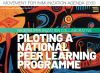
  • Nigeria Immunization Agenda 2030 Collaborative: Piloting a national peer learning programme

    Nigeria Immunization Agenda 2030 Collaborative: Piloting a national peer learning programme

    Insights report about Nigeria’s Immunization Agenda 2030 Collaborative surfaces surprising solutions for both demand- and supply-side immunization challenges

    When 4,434 practitioners from all 36 states asked why children in their communities remained unvaccinated, the problems they thought they understood often had entirely different root causes.

    “I ended up being surprised at the answer I got,” said one health worker.

    Half of the health workers who participated in Nigeria’s largest-ever peer learning exercise in July 2024 discovered that their initial assumptions about local immunization challenges were wrong. The six-week programme generated 409 detailed analyses of local immunization challenges, with each reviewed by peers across the country.

    One year after The Geneva Learning Foundation launched the first Immunization Agenda 2030 Collaborative, in partnership with UNICEF and Gavi, under the auspices of the Nigeria Primary Health Care Development Agency (NPHCDA), a comprehensive insights report documents findings that illuminate persistent gaps between health system planning and community realities.

    How to access the Nigeria Immunization Collaborative’s first insights report:

    Chat with the report

    Health workers report being asked for insights for first time

    A recurring theme emerged from participant feedback that surprised programme organizers. “Many said no one has ever asked us what we think should happen or why do you think that is,” said TGLF’s Charlotte Mbuh, during the February 2025 presentation of the findings to NPHCDA and the country’s immunization partners.

    This potential for linking community experience with formal planning processes became evident when systematic analysis revealed that participants consistently identified practical solutions—many of which they could implement with existing resources.

    “Through my participation in the immunization Collaborative, I learned the critical value of root cause analysis,” reported one participant from Apo Resettlement Primary Health Centre in Abuja. “I applied this approach to uncover that insufficient manpower was the primary issue limiting vaccine coverage”—not the community resistance initially assumed.

    Dr. Akinpelu Adetola, a government public health specialist in Lagos State, exemplified this pattern. Her investigation of declining vaccination rates revealed poor scheduling that created both overcrowded and quiet clinic days. “A register and scheduling system were introduced to address this issue,” she shared with colleagues from across the country.

    Implementation gaps – not knowledge gaps – in the Nigeria Immunization Collaborative

    The Collaborative’s most significant finding challenges a common assumption in global health programming. Participants consistently proposed solutions that were “already well-known, suggesting that progress is limited by implementation issues rather than a lack of solutions,” according to the evaluation report.

    This pattern appeared across diverse contexts and challenge types. When health workers applied root cause analysis to local problems, they frequently identified straightforward interventions that had been overlooked by previous efforts focused on changing community attitudes or providing additional training.

    The evaluation found that 42% of participating health workers identified zero-dose challenges as their top local priority—aligning with national strategy priorities while providing granular intelligence about how these challenges manifest in specific communities.

    Nigeria Immunization Agenda 2030 Collaborative: Reconnecting data collection with local problem-solving

    A striking finding illuminated a fundamental disconnect in Nigeria’s health information systems: only 25% of participants knew their local coverage rates for key vaccines, despite many being responsible for collecting and reporting these figures at the local levels.

    “Many said, well, I collect these numbers, pass them on, but I didn’t know I could actually use them. They could actually help me in my work,” Mbuh explained, describing how participants began analyzing data they were already gathering within the first four weeks of the programme.

    While participants initially focused on demand-side issues—why communities do not seek vaccination services—systematic investigation often revealed supply-side problems underlying apparent “hesitancy.”

    Six primary supply-side challenges consistently undermine immunization delivery: poor data quality hampering service planning; vaccine stockouts due to inadequate inventory management; non-functional cold chain equipment; missed opportunities for catch-up vaccination; service quality issues that deter families; and systematic exclusion of hard-to-reach populations.

    Scale, speed, and sustainability across a complex federal system

    Launched by The Geneva Learning Foundation on 22 July 2024 in partnership with NPHCDA with support from UNICEF and Gavi, the Nigeria Immunization Agenda 2030 Collaborative connected health workers and other immunization stakeholders from more than 300 local government areas – with most based in northern States – within two weeks. Over 600 government facilities, private sector providers, and civil society organizations then signed on as organizational partners. Participants included 65% from local government and facility levels—both the community health workers who directly deliver immunization services and the LGA managers who support them.

    The initiative achieved this scale while operating at faster speed and significantly lower cost than conventional technical assistance and capacity-building approaches.

    The programme supported participants in using a simple, practical “five-whys” root cause analysis methodology, with each analysis reviewed by three peers across Nigeria’s diverse contexts. This peer review process provided depth to complement scale: it improved analytical quality regardless of participants’ initial skill levels.

    “The peer review was another mind-blowing innovation where intellect from other parts of Nigeria viewed your work and made constructive input,” noted one reviewer. “It made me realize I can be a team player.”

    Rapid implementation documented within weeks

    Within six weeks, health workers began reporting connections between new activities based on their root cause analyses and improved health outcomes.

    “During the Collaborative, we discussed successful case studies from other regions. Inspired by these stories, I have strengthened partnerships with local health authorities and other stakeholders to deepen immunization coverage, especially among under-fives. This collaboration has resulted in a significant increase in childhood vaccination rates in my community,” reported one participant from Ebonyi State.

    Unlike conventional training programs that end with certificates, evidence emerged that participants were applying insights within their ongoing work responsibilities and sustaining collaboration independently.

    Evidence of sustained networks and application one year later

    In fact, evidence one year on points to surprising sustainability, as the network continues to function without any external support.

    Four months after the programme concluded, TGLF organized a Teach to Reach session with 24,610 health workers participating, featuring Collaborative participants sharing early outcomes from the Nigeria initiative. This session revealed participants maintaining connections and applying methodologies in new contexts.

    “When we applied the root cause analysis, the five ‘whys’, this opened our eyes to see that it was not all about community members alone,” reported Uyebi Enosandra, a disability specialist working in Delta State. “We have challenges with the primary health workers, not knowing how to incorporate children with disability in the immunization programme.”

    Her account exemplified the pattern documented across participant testimonials: systematic analysis revealed different root causes than initially assumed, leading to more targeted solutions.

    Gregory, a retired professional who participated in outbreak response work in Borno State, described encountering Collaborative participants in the field: “I was pleased to hear that they participated in the Collaborative. And whatever step I wanted to take, they were almost ahead of me to say, sir, we have learned this and we are going to apply it.”

    “In my everyday activities at work I use this ‘5 whys’ to get to the root cause of any complaint and in my own little space make an impact on the patient,” one participant reported in follow-up feedback.

    The methodology’s application extended beyond immunization contexts. Participants reported using the analytical framework for disability inclusion, malaria programming, and broader health system challenges, suggesting the transferable value of structured problem-solving approaches.

    The December 2024 Teach to Reach session revealed ongoing demand for the methodology. Despite significant connectivity challenges affecting West Africa during the session, participants expressed eagerness to share the approach with colleagues. “Presently I’m even encouraging my colleagues to join,” one participant noted. “They’ve been asking me, how do I join, when will this come and all that.”

    The most significant sustainability indicator, according to Mbuh, appeared in widespread participant feedback: “I did not realize how much I could do with what we already have.” This response gained particular relevance as Nigeria and other countries navigate current funding constraints affecting global health programming.

    Potential to strengthen existing systems

    For NPHCDA and international partners, the Collaborative provided intelligence typically unavailable through conventional assessments. The analysis of root cause analyses offers detailed insights into how challenges manifest across Nigeria’s diverse geographic and cultural contexts.

    The approach demonstrated potential to complement existing training, supervision, and technical assistance systems by harnessing health workers’ practical experience and problem-solving capacity. The model addresses real-world challenges participants can immediately influence while building professional networks alongside technical competencies.

    “This pilot programme has demonstrated demand for peer learning, and the feasibility of running a national peer learning programme that brings together the strengths of a national immunization programme, a global partner and an educational organization,” the evaluation concludes.

    For Nigeria’s work toward Zero-Dose Immunization Recovery Plan goals through 2028, the Collaborative provides an innovative approach for translating national strategies into local action while building health worker capacity for continuous adaptation and problem-solving.

    The programme has evolved into what participants describe as a self-sustaining platform that continues operating independent of formal support, suggesting potential for integration with existing health system structures and processes in a true “sector-wide” approach.

    Reference

    Jones, I., Sadki, R., Sequeira, J., & Mbuh, C. (2025). Nigeria Immunization Agenda 2030 Collaborative: Piloting a national peer learning programme (1.0). The Geneva Learning Foundation (TGLF). https://doi.org/10.5281/zenodo.14167168

    Image: Cover the report “Nigeria Immunization Agenda 2030 Collaborative: Piloting a national peer learning programme”.

  • AI podcast explores surprising insights from health workers about HPV vaccination

    AI podcast explores surprising insights from health workers about HPV vaccination

    This is an AI podcast featuring two hosts discussing an article by Reda Sadki titled “New Ways to Learn and Lead HPV Vaccination: Bridging Planning and Implementation Gaps.” The conversational format involves the AI hosts taking turns explaining key points and sharing insights about Sadki’s work on HPV vaccination strategies. While the conversation is AI-generated, everything is based on the published article and insights from the experiences of thousands of health workers participating in Teach to Reach.

    The Geneva Learning Foundation’s approach

    Throughout the podcast, the hosts explore how the Geneva Learning Foundation (TGLF) has developed a five-step process to improve HPV vaccination implementation through their “Teach to Reach” program. This process involves:

    1. Gathering experiences from health workers worldwide
    2. Analyzing these experiences for patterns and innovative solutions
    3. Conducting deep dives into specific case studies
    4. Bringing national EPI planners into the conversation
    5. Synthesizing and sharing knowledge back with frontline workers

    The hosts emphasize that this approach represents a shift from traditional top-down strategies to one that values the collective intelligence of over 16,000 global health workers who implement these programs.

    Surprising findings

    The AI hosts discuss several findings from peer learning that may seem counterintuitive, including:

    • Tribal communities often show less vaccine hesitancy than urban populations, potentially due to stronger community ties and trust in traditional leaders
    • Teachers sometimes have more influence than health workers when it comes to vaccination recommendations
    • Simple, clear communication is often more effective than complex strategies
    • Religious institutions can become powerful allies when approached respectfully
    • Male community leaders can be crucial advocates for what’s typically framed as a women’s health issue

    Effective implementation strategies

    The hosts highlight various successful implementation approaches mentioned in Sadki’s article:

    • Cancer survivors serving as powerful advocates
    • WhatsApp groups connecting community health workers for information sharing
    • Engaging schoolchildren as messengers to initiate family conversations
    • Integrating vaccination efforts with existing women’s groups
    • Community theater and traditional storytelling methods
    • Less formal settings often producing better results than clinical environments

    System-level insights

    The podcast discussion reveals that successful vaccination programs don’t necessarily require abundant resources. Instead, key factors include:

    • Strong leadership and clear vision
    • Commitment to continuous learning
    • Community mobilization and trust-building
    • Leveraging informal networks
    • Prioritizing social factors over technical ones
    • Local adaptation rather than standardization

    The AI hosts conclude by reflecting on how these principles challenge global health epidemiologists to reconsider their roles—moving beyond data analysis to becoming facilitators who empower communities to develop their own solutions.

  • Peer learning in immunization programmes

    Peer learning in immunization programmes

    The path to strengthening immunization systems requires innovative technical assistance approaches to learning and capacity building. A recent correspondence in The Lancet proposes peer learning in immunization programmes as a crucial mechanism for achieving the goals of the Immunization Agenda 2030 (IA2030), arguing for “an intentional, well coordinated, fit-for-purpose, data-driven, and government-led immunisation peer-learning plan of action.” This proposal merits careful examination, particularly as immunization programmes face complex challenges in reaching 2030 goals.

    Learn more: 50 years of the Expanded Programme on Immunization (EPI)

    Beyond traditional knowledge exchange

    The Lancet commentary identifies several key rationales for peer learning in immunization.

    • First, “immunisation policy makers operate in dynamic sociopolitical and economic contexts that often compel quick decision making.” In such environments, peer knowledge becomes crucial “when research evidence is scarce.”
    • Second, the authors recognize that “contextual factors in immunisation systems are constantly interacting to exhibit emergent behaviour and self-organisation,” necessitating constant adaptation of technical approaches.

    These insights point toward an important truth: traditional approaches to knowledge sharing – whether through technical guidelines, formal training, or policy exchange – remain necessary but increasingly insufficient for today’s challenges.

    The question becomes not just how to share what we know, but how to systematically generate new knowledge about what works in different contexts.

    Complementary approaches to peer learning in immunization programmes

    While government counterparts learning from each other offers valuable benefits for policy coordination and strategic alignment, implementation challenges are situated – and solved – at the local levels. This call for complementary peer learning approaches. Three stand out as particularly critical:

    • First, the persistent gap between national planning and local implementation suggests the need for systematic learning about how policies and strategies are turned into effective, community-led and -owned action on the ground.
    • Second, as programmes work to sustain coverage gains beyond campaign-based interventions, they need reliable mechanisms for identifying and spreading effective practices for routine immunization.
    • Third, the continuous influx of new staff into EPI teams creates an ongoing need for rapid capacity building that goes beyond technical training to include development of professional networks and practical implementation skills.

    From reporting challenges to creating implementation knowledge

    A crucial distinction emerges between simply documenting implementation challenges and systematically creating new knowledge about effective implementation. This difference parallels the distinction in epidemiology between case reporting and analytical epidemiology.

    When health workers report challenges, they might note that coverage is low in remote areas due to transport limitations, staff shortages, and cold chain issues. This provides valuable surveillance data but does not necessarily generate actionable knowledge. In contrast, systematic analysis of successful remote area coverage can reveal specific transport solutions that work, staff deployment patterns that succeed, and cold chain adaptations that enable reach.

    This shift from reporting to knowledge creation requires careful structure and support. Just as analytical epidemiology employs specific methods to move from observation to insight, systematic peer learning needs frameworks and processes that enable pattern recognition, cross-context learning, and theory building about what works.

    Enabling systematic learning at scale

    Recent experience demonstrates the feasibility of systematic peer learning at scale. For example, Gavi-supported country-led initiatives facilitated by The Geneva Learning Foundation (TGLF) in Côte d’Ivoire and Nigeria, health workers from districts and facilities shared specific strategies through structured processes, they collectively generate new knowledge about effective implementation. Launched in 2022 with support from Wellcome, the Movement for Immunization Agenda 2030 (IA2030) has demonstrated that such ground-level learning, when properly captured and analyzed, provides crucial insights for national planning.

    Consider the introduction of new vaccines. When thousands of practitioners share specific experiences about what enables successful introduction, patterns emerge that might be missed in smaller exchanges or formal evaluations. These patterns help reveal not just what works, but how solutions adapt and evolve across contexts.

    Learn more: Movement for Immunization Agenda 2030 (IA2030): National EPI leaders from 31 countries share experience of HPV vaccination

    Supporting new EPI staff through networked learning

    The challenge of rapidly building capacity when new staff join EPI teams highlights the potential value of structured peer learning. Training approaches like Mid-Level Management (MLM) Training provide essential technical foundations, and have been able to reach more professionals by moving online. However, new staff also need to rapidly build professional networks and learn from peers facing similar challenges.

    A cohort-based approach combining technical training with structured peer learning can accelerate both capability development and network formation. This helps new staff analyze local challenges, identify priorities, and access peer support for implementation. Cross-country learning opportunities are particularly valuable for young professionals, enabling them to build relationships beyond hierarchical constraints.

    From vaccination campaigns to sustainable primary health care systems that integrate routine immunization

    For immunization programmes work to sustain coverage gains beyond campaign-based interventions, peer learning networks are needed to support the transition to stronger routine immunization systems. By connecting practitioners across health system levels, these networks help identify and spread effective practices for reaching families through regular services.

    This network-based approach complements formal exchange mechanisms by creating multiple pathways for knowledge flow:

    • Ground-level innovations inform national strategy through systematic capture and analysis
    • Peer feedback helps practitioners adapt solutions to local contexts
    • Implementation experiences create evidence about what works and why
    • Cross-level dialogue strengthens connections between policy and practice

    Peer learning embedded into government-owned health systems

    This peer learning approach does not replace traditional technical assistance, capacity building, or policy exchange. Rather, it transforms them by creating new connections between levels and actors in health systems. While formal exchanges remain crucial for policy coordination, structured peer learning adds vital capabilities:

    1. Granular understanding of implementation challenges while maintaining systematic rigor in knowledge capture;
    2. Documentation of practical innovations while creating frameworks for adaptation across contexts; and
    3. Evidence-based feedback loops between policy and practice.

    Success requires careful attention to structure. Through carefully designed processes, practitioners engage in cycles of sharing, feedback, connection, and action. This structure is not bureaucratic control but scaffolding that supports genuine knowledge creation and application.

    Looking forward

    The World Health Organization’s Executive Board has highlighted widening inequities between and within countries as a critical challenge for immunization programmes. In the African region particularly, where many countries are introducing new vaccines while working to strengthen basic immunization services, innovative approaches are needed.

    New evidence from recent large-scale peer learning initiatives suggests that structured approaches can help bridge the gap between strategy and implementation while strengthening both. Success requires investment in learning processes and support structures – but the potential rewards, in terms of accelerated progress and improved outcomes, make this investment worthwhile.

    This offers a concrete path toward what WHO calls for: “grounding action in local realities.” By systematically connecting learning across health system levels while maintaining rigorous standards for evidence and implementation support, we can create learning systems that effectively link regional strategy with local innovation and action.

    The future of immunization capacity building lies not in choosing between formal exchanges and practitioner networks, but in thoughtfully combining them to create comprehensive learning systems. These systems can drive rapid improvement while strengthening health systems as a whole – an essential goal as we work toward ambitious immunization targets for 2030 and beyond.

    Reference

    • Adamu AA, Ndwandwe D, Jalo RI, Ndoutabe M, Wiysonge CS. Peer learning in immunisation programmes. The Lancet [Internet]. 2024 Jul; 404(10450):334–5. Available from: https://doi.org/10.1016/S0140-6736(24)01340-0
    • Jones, I., Sadki, R., Brooks, A., Gasse, F., Mbuh, C., Zha, M., Steed, I., Sequeira, J., Churchill, S., & Kovanovic, V. (2022). IA2030 Movement Year 1 report. Consultative engagement through a digitally enabled peer learning platform (1.0). The Geneva Learning Foundation. https://doi.org/10.5281/zenodo.7119648

    Image: The Geneva Learning Foundation Collection © 2024

  • The Nigeria Immunization Collaborative: Early learning from a novel sector-wide approach model for zero-dose challenges

    The Nigeria Immunization Collaborative: Early learning from a novel sector-wide approach model for zero-dose challenges

    Less than three weeks after its launch, the Nigeria Immunization Collaborative – a partnership between the Geneva Learning Foundation, the National Primary Health Care Development Agency (NPHCDA), and UNICEF – has already connected over 4,000 participants from all 36 states and more than 300 Local Government Areas (LGAs).

    The Collaborative is part of the Movement for Immunization Agenda 2030 (IA2030).

    In the Collaborative’s first peer learning exercise that concluded on 6 August 2024, over 600 participants conducted root cause analyses of immunization barriers in their communities.

    Participants engaged in a two-week intensive process of analyzing immunization challenges, conducting root cause analyses, and developing actionable plans to address these issues.

    They did this without having to stop their daily work or travel, a key characteristic of The Geneva Learning Foundation’s model to support work-based learning.

    Watch the General Assembly of the Nigeria Immunization Collaborative on 6 August 2024

    What are health workers saying about the Collaborative?

    For Mariam Mustapha, a participant from Kano State, the Collaborative is “multiple individuals that perform a task”, united around a shared purpose.

    She highlighted the importance of engaging with community members, noting, “These people from the community, most of them, they don’t have enough knowledge or they are receiving misinformation about immunization and vaccines.”

    The peer learning exercise employed a structured approach, asking participants to explain their immunization challenge, conduct a “5 Whys” analysis to identify root causes, and develop actionable plans within their scope of work.

    How does the Collaborative help health workers?

    This method proved enlightening for many participants.

    John Emmanuel, a community health worker from Bauchi State, shared his experience: “I just discovered that over the years, I have been superficial in my approach. I’ve been one sided. I’ve been actually peripheral in my approach. So during the root cause analysis, I was able to identify the broader perspective of identifying the challenge and then fixing it as it affects my job here in the community.”

    The Collaborative also fostered connections between health workers across different regions of Nigeria.

    Mohammed Nasir Umar, a JSI HPV program associate in Zamfara State, noted the value of this cross-pollination of ideas: “The root cause analysis really widened my horizon on how I think around the challenges. The ‘5 Whys’ techniques approach was really, really helpful.”

    Participants identified a range of immunization challenges, including vaccine hesitancy, lack of information and awareness, sociocultural and religious factors, reaching zero-dose children, incomplete immunization, healthcare worker issues, logistical challenges, political interference, poor documentation, and community trust issues.

    But then each one started asking ‘why’, stopping only once they found a root cause that they are in a position to do something about.

    Esther Sharma, working with NPHCDA in a local government area, identified a critical issue in her facility: “The reason why people turn out low for immunization is because there are no health workers in the facilities to attend to them when they get here.”

    Her solution involves ensuring consistent staffing during immunization days, which should encourage more community members to seek vaccination services.

    How are new stakeholders participating in the Collaborative?

    The Collaborative also welcomed participation from organizations not traditionally involved in immunization services.

    Angela Emmanuel, a nurse and founder of the Emmanuel Cancer Foundation in Lagos, found value in the exercise for her work on HPV vaccination and cancer prevention.

    She emphasized the need for a more educational approach: “Our motive should be education. Our motive should be the awareness, not just asking them to take this vaccine.”

    Chijioke Kaduru, a public health physician who served as a Guide for the Collaborative, reflected: “While some of these challenges are similar in many settings, the local context and the nuances that shape these challenges clearly make them a good opportunity to engage, to interact, to understand them better, and to start to also see the ideas that colleagues have about how to solve those problems.”

    By connecting frontline health workers, fostering critical thinking, and encouraging the development of locally-tailored solutions, the Nigeria Immunization Collaborative represents a potentially scalable model for strengthening health systems and improving immunization coverage.

    As the exercise concludes, participants are poised to implement their action plans in their respective communities.

    How are government workers participating in the Collaborative?

    A key focus of the final session was the presentation of root cause analyses by government workers from the Federal and State Primary Health Care Development Agencies.

    These presentations provided valuable insights into the challenges faced at various levels of the health system and the innovative solutions being developed.

    Maimuna Tata, a deputy in-charge at a health facility in Bunkura local government area of Kano State, presented her analysis of why routine immunization sessions were not being conducted at her facility.

    Through her “5 Whys” analysis, she uncovered a systemic issue: “The health facility is newly built and was commissioned after the 2024 micro plan exercise and needs to undergo several processes for provision of routine immunization.”

    Tata’s proposed solution demonstrated the kind of innovative thinking the Collaborative aimed to foster: “Instead of them coming for outreach session in the settlement, I think the vaccine should be channeled to the health facility so that the health facility can conduct the sessions. And at the end of the day, we will now be submitting our reports to the health facility, that is the model health facility, pending the time the health facility will be recorded or will be updated in the server.”

    Esther Sharma, working with NPHCDA in a local government area, identified a critical staffing issue: “The reason why people turn out low for immunization is because there are no health workers in the facilities to attend to them when they get here. I am the routine immuunization focal person where I currently work and when I went there newly, I asked a lot of people, why don’t they come to the hospital for immunization? And they said when they come, they don’t find anybody to attend to them.”

    Her solution involves ensuring consistent staffing during immunization days, which she reported has already encouraged more community members to seek vaccination services.

    Image: The Geneva Learning Foundation Collection © 2024

  • Experience-sharing sessions in the Movement for Immunization Agenda 2030: A novel approach to localize global health collaboration

    Experience-sharing sessions in the Movement for Immunization Agenda 2030: A novel approach to localize global health collaboration

    As immunization programs worldwide struggle to recover from pandemic disruptions, the Movement for Immunization Agenda 2030 (IA2030) offers a novel, practitioner-led approach to accelerate progress towards global vaccination goals.

    From March to June 2022, the Geneva Learning Foundation (TGLF) conducted the first Full Learning Cycle (FLC) of the Movement for IA2030, engaging 6,185 health professionals from low- and middle-income countries.

    A cornerstone of this programme was a series of 44 experience-sharing sessions held between 7 March and 13 June 2022. These sessions brought together between 20 and 400 practitioners per session to discuss and solve real-world immunization challenges.

    IA2030 case study 16, by Charlotte Mbuh and François Gasse, offers valuable insights from these experience-sharing session:

    1. what we learned from the experiences themselves and how it can help practitioners; and
    2. what we learned about the significance and potential of the peer learning process itself.

    Download the full case study: IA2030 Case study 16. Continuum from knowledge to performance. The Geneva Learning Foundation.

    For every challenge shared during the experience sharing sessions, there was always at least one member who had encountered or was encountering the same challenge and had carried out measures to resolve it.

    These sessions provided a space to share practical stories that are making a difference – and supported participants in considering their relevance to their own situations.

    Experience sharing also helped build confidence and motivation.

    Members were able to identify with experiences shared, realizing they were not alone in facing similar challenges.

    The sessions covered a wide range of critical immunization topics.

    For instance, a participant from Nigeria discussed strategies for reaching zero-dose children in Borno state.

    Facing the challenge of reaching approximately 600,000 unvaccinated children, the presenter received practical suggestions from peers, including developing a zero-dose reduction operational plan, leveraging new vaccine introductions, and partnering with the private sector for evening vaccination services.

    In another session, a subnational Ministry of Health staff member from Côte d’Ivoire presented challenges related to cross-border immunization campaigns.

    Peers shared experiences of organizing cross-border meetings to identify unvaccinated children, synchronize efforts, and involve community representatives in the process.

    Such context-specific, experience-based advice exemplifies the unique value of peer learning in addressing complex health system challenges.

    The case study of 44 sessions highlights how these sessions fostered multiple types of learning simultaneously.

    Participants reported learning from each other’s experiences, experiencing the power of solving problems together across distances, feeling a growing sense of belonging to a community, and connecting across country borders and health system levels.

    A district-level Ministry of Health staff member from Ghana encapsulated the impact: “I have linked up with expert vaccinators worldwide through experience sharing and twinning. I have become more competent and knowledgeable in the area of immunization, and work confidently.”

    This sentiment was echoed by many participants who found value not only in acquiring new knowledge but also in expanding their professional networks and gaining confidence in their problem-solving abilities.

    The case study also reveals the adaptability of the approach in responding to unique contexts.

    This resilience underscores the potential of digital platforms to democratize access to expertise and foster global collaboration.

    However, the study also identifies areas for improvement.

    • Participants expressed a desire for more follow-up support and opportunities to continue their peer learning groups beyond the initial sessions.
    • Additionally, the need for better integration of community engagement strategies was identified as a key area for future development.

    To contextualize these findings, we can turn to a 2022 study by Watkins et al., which evaluated a prototype of these experience-sharing sessions known as Immunization Training Challenge Hackathons (ITCH), conducted in 2020.

    The ITCH methodology, developed by The Geneva Learning Foundation (TGLF), informed the design of the 2022 IA2030 Movement sessions.

    Watkins et al. found that the ITCH approach fostered four simultaneous types of learning: peer, remote, social, and networked.

    1. Peer Learning: This involves participants learning directly from each other’s experiences and knowledge. In the context of immunization, imagine a scenario where a vaccination program manager from rural India shares their successful strategy for improving vaccine cold chain management with a colleague facing similar challenges in sub-Saharan Africa. This direct exchange of practical, context-specific knowledge can complement more theoretical training, as it is based on real-world application.
    2. Remote Learning: This refers to the ability to learn and solve problems collaboratively across geographical distances. For an immunization specialist, this might seem counterintuitive, as many believe that hands-on, in-person training is essential. However, the ITCH sessions demonstrated that meaningful learning can occur remotely. For example, a team in Bangladesh could describe their approach to overcoming vaccine hesitancy, and a team in Nigeria could immediately adapt and apply those strategies to their local context, all without the need for costly and time-consuming travel.
    3. Social Learning: This concept emphasizes the importance of learning within a network. In the immunization field, professionals often work in isolation, especially at sub-national levels. The ITCH sessions created a sense of belonging to a global network, community, and platform of immunization practitioners. This social aspect can boost motivation, reduce feelings of isolation, and foster a collective approach to problem-solving that transcends individual or even national boundaries.
    4. Networked Learning: This type of learning emerges from connections made across different levels of health systems and across country borders. For an epidemiologist, this might be analogous to how disease surveillance networks function across borders. In the ITCH context, it means that a district-level immunization officer could learn from and share ideas with national-level policymakers from other countries, fostering a more holistic understanding of immunization challenges and solutions.

    These four types of learning operate simultaneously during ITCH sessions, creating a synergistic effect. 

    For instance, a participant might learn a new cold chain management technique (peer learning) from a colleague in another country (remote learning), feel supported by the global community in implementing this new technique (social learning), and then share their adaptation of this technique with others across various levels of the health system (networked learning).

    From an epidemiological perspective, this approach to learning could be compared to how we understand disease transmission and intervention effectiveness.

    Just as multiple factors contribute to disease spread and control, these multiple learning types contribute to knowledge dissemination and capacity building in the immunization field.

    The value of this approach lies in its potential to rapidly disseminate practical, context-specific knowledge and solutions across a global network of immunization professionals.

    This can lead to faster adoption of best practices, more innovative problem-solving, and ultimately, improvements in immunization program performance that could contribute to better disease control outcomes.

    While this approach may seem unconventional compared to traditional training methods in the immunization field, the evidence presented by Watkins et al. suggests that it can be a powerful complement to existing capacity-building efforts, particularly in resource-constrained settings where access to formal training opportunities may be limited.

    This multifaceted approach allowed participants to not only acquire new knowledge but also to expand their professional networks and gain confidence in their problem-solving abilities—findings that align closely with the outcomes observed in the 2022 IA2030 Movement sessions.

    The Watkins study emphasized the importance of building confidence and motivation through peer learning experiences, a theme strongly echoed in the Mbuh case study.

    Furthermore, Watkins et al. highlighted the potential of this approach to create a “space of possibility” for innovation and problem-solving, which is evident in the diverse and creative solutions shared during the 2022 sessions.

    Both studies underscore the significance of peer-led, digital learning experiences in accelerating progress towards global health goals.

    By fostering peer learning and digital collaboration, these approaches empower health workers to turn global strategies into effective local action.

    References

    Mbuh, C., Gasse, F., Jones, I., Sadki, R., Brooks, A., Zha, M., Steed, I., Sequeira, J., Churchill, S., Kovanovic, V., 2022. IA2030 Case study 16. Continuum from knowledge to performance. The Geneva Learning Foundation. https://doi.org/10.5281/zenodo.7014392

    Watkins, K.E., Sandmann, L.R., Dailey, C.A., Li, B., Yang, S.-E., Galen, R.S., Sadki, R., 2022. Accelerating problem-solving capacities of sub-national public health professionals: an evaluation of a digital immunization training intervention. BMC Health Serv Res 22, 736. https://doi.org/10.1186/s12913-022-08138-4

    Image: The Geneva Learning Foundation Collection © 2024

  • Integrating community-based monitoring (CBM) into a comprehensive learning-to-action model

    Integrating community-based monitoring (CBM) into a comprehensive learning-to-action model

    According to Gavi, “community-based monitoring” or “CBM” is a process where service users collect data on various aspects of health service provision to monitor program implementation, identify gaps, and collaboratively develop solutions with providers.

    • Community-based monitoring (CBM) has emerged as a promising strategy for enhancing immunization program performance and equity.
    • CBM interventions have been implemented across different settings and populations, including remote rural areas, urban poor, fragile/conflict-affected regions, and marginalized groups such as indigenous populations and people living with HIV.

    By engaging service users, CBM aims to foster greater accountability and responsiveness to local needs.

    • However, realizing CBM’s potential in practice has proven challenging.
    • Without a coherent approach, CBM risks becoming just another disconnected tool.

    The Geneva Learning Foundation’s innovative learning-to-action model offers a compelling framework within which CBM could be applied to immunization challenges.

    The model’s comprehensive design creates an enabling environment for effectively integrating diverse monitoring data sources – and this could include community perspectives.

    Health workers as trusted community advisers… and members of the community

    A distinctive feature of TGLF’s model is its emphasis on health workers’ role as trusted advisors to the communities they serve.

    The model recognizes that local health staff are not merely service providers, but often deeply embedded community members with intimate knowledge of local realities.

    For example, in TGLF’s immunization learning initiatives, participating health workers frequently share insights into the social, cultural, and economic factors shaping vaccine hesitancy and uptake in their communities.

    • They discuss the everyday barriers families face, from misinformation to transportation challenges, and strategize context-specific outreach approaches.
    • This grounding in community realities positions health workers as vital bridges for facilitating community engagement in monitoring.

    When local staff are empowered as active agents of learning and change, they can more effectively champion community participation, translating insights into tangible improvements.

    Could CBM fit into a more comprehensive system from local monitoring to action?

    TGLF’s model supports health workers in this bridging role by providing a comprehensive framework for local monitoring and action.

    Through peer learning networks and problem-solving cycles, the model equips health staff to collect, interpret, and act on unconventional monitoring data from their communities.

    For instance, in TGLF’s 2022 “Full Learning Cycle” initiative, 6,185 local health workers from 99 countries examined key immunization indicators to inform their analyses of root causes and then map out corrective actions.

    • Participants began monitoring their own local health indicators, such as vaccination coverage rates.
    • For many, this was the first time they had been prompted to use this data for problem-solving a real-world challenge they face, rather than just reporting up the next level of the health system.

    They discussed many factors critical for tailoring immunization strategies.

    This transition – from being passive data collectors to active data users – has proven transformative.

    It positions health workers not as cogs in a reporting machine, but as empowered analysts and strategists.

    By discussing real metrics with peers, participants make data actionable and contextually meaningful.

    Guided by expert-designed rubrics and facilitated discussions, health workers translated this localized monitoring data into practical improvement plans.

    For an epidemiologist, this represents a significant shift from traditional top-down monitoring paradigms.

    By valuing and actioning local knowledge, TGLF’s model demonstrates how community insights can be systematically integrated into immunization decision-making.

    However, until now, its actors have been health workers, many of them members of the communities they serve, not service users themselves.

    CBM’s focus on monitoring is important – but leaves out key issues around community participation, decision-making autonomy, and strategy.

    How could we integrate CBM into a transformative approach?

    TGLF’s experiences suggest that CBM could be embedded within comprehensive learning-to-action systems focused on locally-led change.

    TGLF’s model is more than a monitoring intervention.

    • It combines structured learning, rapid solution sharing, root cause analysis, action planning, and peer accountability to drive measurable improvements.
    • These mutually reinforcing components create an enabling environment for health workers to translate insights into impact.

    In this framing, community monitoring becomes one critical input within a continuous, collaborative process of problem-solving and adaptation.

    Several features of TGLF’s model illustrate how this integration could work in practice:

    1. Peer accountability structures, where health workers regularly convene to review progress, share challenges, and iterate solutions, create natural entry points for discussing and actioning community feedback.
    2. Rapid dissemination channels, like TGLF’s “Ideas Engine” for spreading promising practices across contexts, enable local innovations in response to community-identified gaps to be efficiently scaled.
    3. Emphasis on root cause analysis and systemic thinking equips health workers to interpret community insights within a broader ecosystem lens, connecting localized issues to upstream determinants.
    4. Cultivation of connected leadership empowers local actors to champion community priorities and navigate complex change processes.

    TGLF’s extensive digital network connects health workers across system levels and contexts, enabling them to learn from each other’s experiences with no upper limit to the number of participants.

    By contrast, CBM seems to assume that a community is limited to a physical area, which fails to recognize that problem-solving complex challenges requires expanding the range of inputs used.

    Within a networked approach that connects both community members and health workers across boundaries of geography, health system level, and roles, CBM could become an integral component of a transformative approach to health system improvement – one that recognizes communities and local health workers as capable architects of context-responsive solutions.

    Fundamentally, the TGLF model invites a shift in mindset about whose expertise counts in monitoring and driving system change.

    CBM could provide the ‘connective tissue’ for health workers to revise how they listen and learn with the communities they serve.

    For immunization programs grappling with persistent inequities, this shift from passive compliance to proactive local problem-solving is critical.

    As the COVID-19 crisis has underscored, rapidly evolving public health challenges demand localized action that harnesses the full range of community expertise.

    TGLF’s model offers a tested framework for actualizing this vision at scale.

    By investing in local health workers’ capacity to learn, adapt, and lead change in partnership with the communities they serve, the model illuminates a promising pathway for integrating CBM into immunization monitoring and beyond.

    For epidemiologists and global health practitioners, TGLF’s approach invites a reframing of how we conceptualize and operationalize community engagement in health system monitoring.

    It challenges us to move beyond tokenistic participation towards genuine co-design and co-ownership of monitoring processes with local actors.

    Realizing this vision will require significant shifts in mindsets, power dynamics, and resource flows.

    But as TGLF’s initiatives demonstrate, when we invest in the leadership of those closest to the challenges we seek to solve, transformative possibilities emerge.

    Further rigorous research comparing the impacts of different CBM integration models could help accelerate this paradigm shift, surfacing critical lessons for the immunization field and global health more broadly.

    TGLF’s model not only offers compelling lessons for reimagining monitoring and improvement in immunization programs, it also provides a pathway for integrating CBM into a system that supports actual change.

    CBM practitioners are likely to struggle with how to incorporate it into existing practices.

    By investing in frontline health workers as change agents, and surrounding them with an empowering learning ecosystem, the model offers a path to then bring in community monitoring.

    Without such leadership from health workers, it is unlikely that communities are able to participate.

    The journey to authentic community engagement in health system monitoring is undoubtedly complex.

    But if we are to deliver on the promise of equitable immunization for all, it is a journey we must undertake.

    TGLF’s model lights one promising path forward – one that positions communities and local health workers as the beating heart of a learning health system.

    While Gavi’s evidence brief affirms the promise of CBM for immunization, TGLF’s experience with its own model suggests the full potential of CBM may be realized by embedding it within more comprehensive, digitally-enabled learning systems that activate health workers as agents of change – and do so with both physical and digital communities implementing new forms of peer and community accountability that complement conventional kinds (supervision, administration, donor, etc.).

  • Why health leaders who are critical thinkers choose rote learning for others

    Why health leaders who are critical thinkers choose rote learning for others

    Many health leaders are highly analytical, adaptive learners who thrive on solving complex problems in dynamic, real-world contexts.

    Their expertise is grounded in years of field experience, where they have honed their ability to rapidly generate insights, test ideas, and innovate solutions in collaboration with diverse stakeholders.

    In January 2021, as countries were beginning to introduce new COVID-19 vaccines, Kate O’Brien, who leads WHO’s immunization efforts, connected global learning to local action:

    “For COVID-19 vaccines […] there are just too many lessons that are being learned, especially according to different vaccine platforms, different communities of prioritization that need to be vaccinated. So [everyone]  has got to be able to scale, has got to be able to deal with complexity, has got to be able to do personal, local innovation to actually overcome the challenges.”

    In an Insights Live session with the Geneva Learning Foundation in 2022, she made a compelling case that “the people who are working in the program at that most local level have to be able to adapt, to be agile, to innovate things that will work in that particular setting, with those leaders in the community, with those families.”

    However, unlike Kate O’Brien, some senior leaders in global health disconnect their own learning practices and their assumptions about how others learn best.

    When it comes to designing learning initiatives for their teams or organizations, these leaders may default to a more simplistic, behaviorist approach.

    They may equate learning with the acquisition and application of specific skills or knowledge, and thus focus on creating structured, content-driven training programs.

    The appeal of behaviorist platforms – with their promise of efficient, scalable delivery and easily measured outcomes – can be seductive in the resource-constrained, results-driven world of global health.

    Furthermore, leaders may hold assumptions that health workers – especially those at the community level – do not require higher-order critical thinking skills, that they simply need a predetermined set of knowledge and procedures.

    This view is fundamentally misguided.

    A robust body of scientific evidence on learning culture and performance demonstrates that the most effective organizations are those that foster continuous learning, critical reflection, and adaptive problem-solving at all levels.

    Health workers at the frontlines face complex, unpredictable challenges that demand situational judgment, creative thinking, and the ability to learn from experience.

    Failing to cultivate these capacities not only underestimates the potential of these health workers, but it also constrains the performance and resilience of health systems as a whole.

    The problem is that this approach fails to cultivate the very qualities that make these leaders effective learners and problem-solvers.

    Behaviorist techniques, with their emphasis on passive information absorption and narrow, pre-defined outcomes, do not foster the critical thinking, creativity, and collaborative capacity needed to tackle complex health challenges.

    They may produce short-term gains in narrow domains, but they cannot develop the adaptive expertise required for long-term impact in ever-shifting contexts.

    To help health leaders recognize this disconnect, it is useful to engage them in reflective dialogue about their own learning processes.

    By unpacking real-world examples of how they have solved thorny problems or generated novel insights, we can highlight the sophisticated cognitive strategies and collaborative dynamics at play.

    We can show how they constantly question assumptions, synthesize diverse perspectives, and iterate solutions – all skills that are essential for navigating complexity, but are poorly served by rigid, content-focused training.

    The goal is not to dismiss the need for foundational knowledge or skills, but rather to emphasize that in the face of evolving challenges, adaptive learning capacity is the real differentiator.

    It is the ability to think critically, to imagine new possibilities, to learn from failure, and to co-create with others that drives meaningful change.

    By tying this insight directly to leaders’ own experiences and values, we can inspire them to champion learning approaches that mirror the richness and dynamism of their personal growth journeys.

    Ultimately, the most impactful health organizations will be those that not only equip people with essential skills, but that also nurture the underlying cognitive and collaborative capacities needed to continually learn, adapt, and innovate.

    By recognizing and leveraging the powerful learning practices they themselves embody, health leaders can shape organizational cultures and strategies that truly empower people to navigate complexity and drive transformative change.

    This shift requires letting go of the illusion of control and predictability that behaviorism offers, and instead embracing the messiness and uncertainty of real learning.

    It means creating space for experimentation, reflection, and dialogue, and trusting in people’s inherent capacity to grow and create.

    It is a challenging transition, but one that health leaders are uniquely positioned to lead – if they can bridge the gap between how they learn and how they seek to enable others’ learning.

    Image: The Geneva Learning Foundation Collection © 2024

  • How will we turn a climate change and health resolution at the World Health Assembly into local action?

    How will we turn a climate change and health resolution at the World Health Assembly into local action?

    This video was prepared by the World Health Organization with voices of health workers speaking at the Special Event “From community to planet” hosted by The Geneva Learning Foundation.

    The Geneva Learning Foundation (TGLF) has developed a new model that could help address the urgent challenge of climate change impacts on health by empowering and connecting health workers who serve communities on the receiving end of those impacts.

    This model leverages TGLF’s track record of facilitating large-scale peer learning networks to generate locally-grounded evidence, elevate community voices, and drive policy change.

    A key strength of TGLF’s approach is its ability to rapidly connect diverse networks of health workers across geographic and health system boundaries.

    For example, in March 2020, with support from the Bill and Melinda Gates Foundation, TGLF worked with a group of 600 of its alumni – primarily government staff working in local communities of Africa, Asia, and Latin America – to develop the Ideas Engine.

    Within two weeks, the Ideas Engine had connected over 6,000 immunization staff from 90 countries to share strategies for maintaining essential services during the COVID-19 pandemic.

    Within just 10 days, participants contributed 1,235 ideas and practices.

    They then developed and implemented recovery plans, learning from and supporting each other. 

    Within three months, over a third of participants reported successfully implementing their plans, informed by these crowdsourced insights.

    This illustrates how peer learning – a tenet of TGLF’s model – can facilitate and accelerate problem-solving.

    The Ideas Engine became a core component of TGLF’s model for turning knowledge into action, results, and impact.

    TGLF has also demonstrated the model’s effectiveness in informing global health policy initiatives.

    Working with the Wellcome Trust, TGLF mobilized – in the first year – over 8,000 health professionals from 99 low- and middle-income countries to take ownership of the goals of the Immunization Agenda 2030 (IA2030) strategy.

    This participatory approach generated over 500,000 data points in just four months, providing IA2030 stakeholders with valuable, contextually-grounded evidence to inform decision-making.

    Fostering a culture of continuous learning and adaptation among health workers lays the groundwork for a more resilient, equitable, and sustainable approach to global health in the face of accelerating climate change.

    Applying this model to the climate and health nexus, TGLF supported 4,700 health workers from 68 countries in 2023 to share observations of changes in climate and health in the communities they serve.

    Over 1,200 observations highlighted the diverse and severe consequences already being experienced.

    See what we learned: Investing in the health workforce is vital to tackle climate change: A new report shares insights from over 1,200 on the frontline

    This demonstrates the feasibility of rapidly generating a new kind of evidence base on local climate-health realities.

    Furthermore, if we assume that each health worker could reduce the climate-related health burden for those they serve by a modest five percent, a million health workers connected to and learning from each other could make a significant dent in climate-attributable disease and death. 

    This illustrates the model’s potential to achieve population-level impact, beyond sharing knowledge and strengthening capacity.

    At Teach to Reach 10 on 20-21 June 2024, over 20,000 health workers will be sharing experience of their responses to the impacts of climate change on health. Learn more

    It is important to note that TGLF’s approach differs from models that work through health professional associations in several key ways.

    First, it directly engages health workers across all levels of the health system, not just those in leadership positions.

    Second, it focuses on peer learning and locally-led action, rather than top-down dissemination of information.

    Third, it leverages digital technologies to connect health workers across geographies and hierarchies, enabling rapid exchange of insights and innovations at the point of need.

    Finally, it embeds participatory and citizen science methods to ensure solutions are grounded in community needs and that everyone can contribute to climate and health science.

    TGLF’s model offers a complementary pathway to address current global priorities of generating novel evidence on climate-health impacts in ways that are directly relevant and useful to communities facing them.

    This model can help fill critical evidence gaps, identify locally-adapted solutions, and build momentum for transformative change.

    TGLF’s track record in mobilizing collective intelligence to drive impact in global health crises suggest transferability to the climate and health agenda.

    As the world grapples with the accelerating health threats posed by climate change, investing in health workers as agents of resilience has never been more urgent or important.

  • Semaine mondiale de la vaccination: Que voyez-vous?

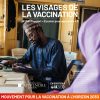
    Semaine mondiale de la vaccination: Que voyez-vous?

    English version | Version française

    Ceci est la préface de la nouvelle publication Les visages de la vaccination. En savoir plusTélécharger la collection

    Chaque jour, des milliers d’agents de santé, de l’Afghanistan au Zimbabwe, se lèvent et se rendent au travail avec un seul objectif en tête : faire en sorte que les vaccins parviennent à ceux qui en ont besoin.

    À l’occasion de la Semaine mondiale de la vaccination du 24 au 30 avril 2023 et du lancement de la campagne « Big Catch Up », la Fondation Apprendre Genève (TGLF) a invité les membres du Mouvement pour la vaccination à l’horizon 2030 (IA2030) à partager des photographies d’eux-mêmes et de leur travail quotidien.

    Plus de 1 000 témoignages visuels ont été partagés.

    Il ne s’agit pas de clichés soigneusement composés et techniquement élaborés par des photographes professionnels, mais plutôt d’une vue authentique sur ce que signifie la vaccination dans la pratique. Les difficultés de transport. Les mères concernées et aimantes. Les curieux. Le dialogue entre les praticiens et les membres de la communauté. Les écoliers brandissant leur carte de vaccination. Les cahiers contenant les données.

    Voici donc notre deuxième galerie annuelle de photographies partagées par les membres du Mouvement. Une fois encore, elle célèbre la diversité de leurs rôles et des défis auxquels ils sont confrontés dans leur vie quotidienne, ainsi que leur engagement en faveur du Programme pour la vaccination à l’horizon 2030 (IA2030), qui vise à ce que chaque enfant, chaque famille, soit protégés contre les maladies évitables par la vaccination.

    Si nous avons réitéré cette opération, c’est parce que nous avons observé que la narration visuelle avait un effet profond sur l’ensemble du Mouvement. Cet effet peut être difficile à quantifier. En soi, il n’améliore certainement pas la couverture vaccinale. Il a tout à voir avec la façon dont les agents de santé se perçoivent eux-mêmes, perçoivent la valeur de leur propre travail. En effet, le fait non seulement de savoir, mais aussi de voir qu’il y a des collègues dans le monde entier qui font le même travail, quel que soit le contexte, est réconfortant et inspirant. Cela peut contribuer à renforcer ou à renouveler la détermination et l’engagement. Cela peut aider à faire la différence – et à la maintenir dans le temps.

    Certains professionnels de la santé travaillent dans des centres de santé offrant des services de vaccination et d’autres formes de soins de santé primaires. D’autres prennent part à des stratégies avancées, allant à la rencontre de la population. Ils peuvent également être basés dans des bureaux de district ou régionaux, où ils assurent la supervision et des conseils pour permettre aux praticiens de mieux faire leur travail.

    Pour ceux qui contribuent aux activités de sensibilisation, ils peuvent être confrontés à de multiples défis. Ils peuvent avoir à surmonter des obstacles géographiques : rivières, inondations, routes en mauvais état, ou simplement de longues distances. Ils peuvent être amenés à s’aventurer dans des zones d’instabilité politique ou de conflit. Ils peuvent être amenés à entrer en contact avec des populations mobiles dont la localisation précise peut être incertaine. Enfin, ils peuvent être amenés à pénétrer dans des zones urbaines informelles en perpétuel changement.

    Une fois arrivés à destination, ils constatent parfois que les personnes qu’ils contactent ne sont pas forcément réceptives à la vaccination. Ils devront alors passer du temps avec les gens pour les aider à comprendre les bénéfices et la sécurité de la vaccination.

    Bien entendu, la vaccination proprement dite n’est pas la seule tâche à accomplir. Les programmes de vaccination s’appuient sur un réseaux de personnes ayant des rôles divers, tels que l’entretien des équipements essentiels de la chaîne du froid, la gestion des données et la collaboration avec les communautés pour obtenir leur soutien en faveur de la vaccination. Les volontaires issus de la communauté constituent un lien vital entre les programmes de vaccination et les communautés locales. Un travail d’équipe efficace est essentiel.

    À la fin d’une longue journée, chaque praticien de la vaccination peut rentrer chez lui en sachant qu’il a contribué à rendre le monde plus sain et qu’il a peut-être sauvé une vie. Ce sont les véritables héros de la vaccination, et nous les saluons. 

    Charlotte Mbuh et Reda Sadki
    La Fondation Apprendre Genève (TGLF)

  • World Immunization Week: What do you see?

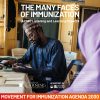
    World Immunization Week: What do you see?

    English version | Version française

    This is the preface of the new publication The many faces of immunization. Learn more… Download the collection

    Every day, thousands of health workers, from Afghanistan to Zimbabwe, get up and go to work with a single goal in mind ­ to ensure that vaccines reach those who need them.

    To mark World Immunization Week 2023 (24­–30 April 2023) and the launch of the “Big Catch Up” campaign, the Geneva Learning Foundation (TGLF) invited members of the Movement for Immunization Agenda 2030 (IA2030) to share photographs of themselves and their daily work.

    More than 1,000 visual stories were shared.

    These are not the carefully composed and technically accomplished shots of the professional photographer: rather, they capture a raw and authentic view of what immunization means in practice.

    The transport challenges.

    The concerned and loving mothers.

    The curious onlookers.

    The dialogue between practitioners and community members.

    The schoolchildren waving their vaccination cards.

    The reams of paper-based data.

    This is our second annual gallery of photographs shared by members of the Movement. Get the 2022 World Immunization Week photo book It takes people to make #vaccineswork

    Once again, it celebrates their diversity of roles and challenges faced in their daily lives, and their commitment to the IA2030 goal of ensuring that every child, every family, is protected from vaccine-preventable diseases.

    If we did it again, it is because we observed that visual storytelling had a profound effect across the Movement.

    This effect may be hard to quantify.

    On its own, it certainly does not improve vaccination coverage.

    And yet, it has everything to do with how health workers perceive themselves, perceive the value of their own work.

    Not just knowing but seeing that there are colleagues across the world who are doing the same work, whatever the contexts, is heartening and inspiring.

    It can help strengthen or renew resolve and commitment.

    It can help make a difference – and sustain it over time.

    To achieve their goals, they may be working in health facilities offering immunization services and other forms of primary health care.

    Or they may be taking part in outreach or stratégies avancées, delivering vaccines out in the communities where people live.

    Alternatively, they may be based in district or regional offices, providing oversight and offering “supportive supervision” ­ constructive feedback and advice to ensure practitioners can do their jobs better.

    If they are among the many practitioners engaged in outreach activities, they may face multiple challenges.

    They may have to overcome geographical obstacles ­ rivers, flooding, poor roads, or just long distances.

    They may have to venture into areas of political instability or conflict.

    They may have to make contact with mobile populations whose precise location may be uncertain.

    And they may have to enter informal urban settings in a state of permanent flux.

    Then, when they reach their destination, they may find that those they engage are not receptive to vaccination.

    They may have to spend time with people to help them understand the benefits and safety of vaccines.

    Of course, actually vaccinating people is not the only task that needs to be undertaken.

    Vaccination programmes rely on a collective of people with a diverse range of roles, such as maintaining essential cold chain equipment, managing data, and working with communities to build support for vaccination.

    Community-based volunteers provide a vital link between immunization programmes and local communities.

    Effective teamwork is essential.

    At the end of a long day, every vaccination practitioner can return home knowing that they have done their bit to make the world a healthier place, and just might have saved a life.

    Charlotte Mbuh and Reda Sadki
    The Geneva Learning Foundation (TGLF)

    Jones, I., Sadki, R., & Mbuh, C. (2024). The many faces of immunization (IA2030 Listening and Learning Report 5) (1.0). Special Event: World Immunization Week. The Geneva Learning Foundation. https://doi.org/10.5281/zenodo.8166653